
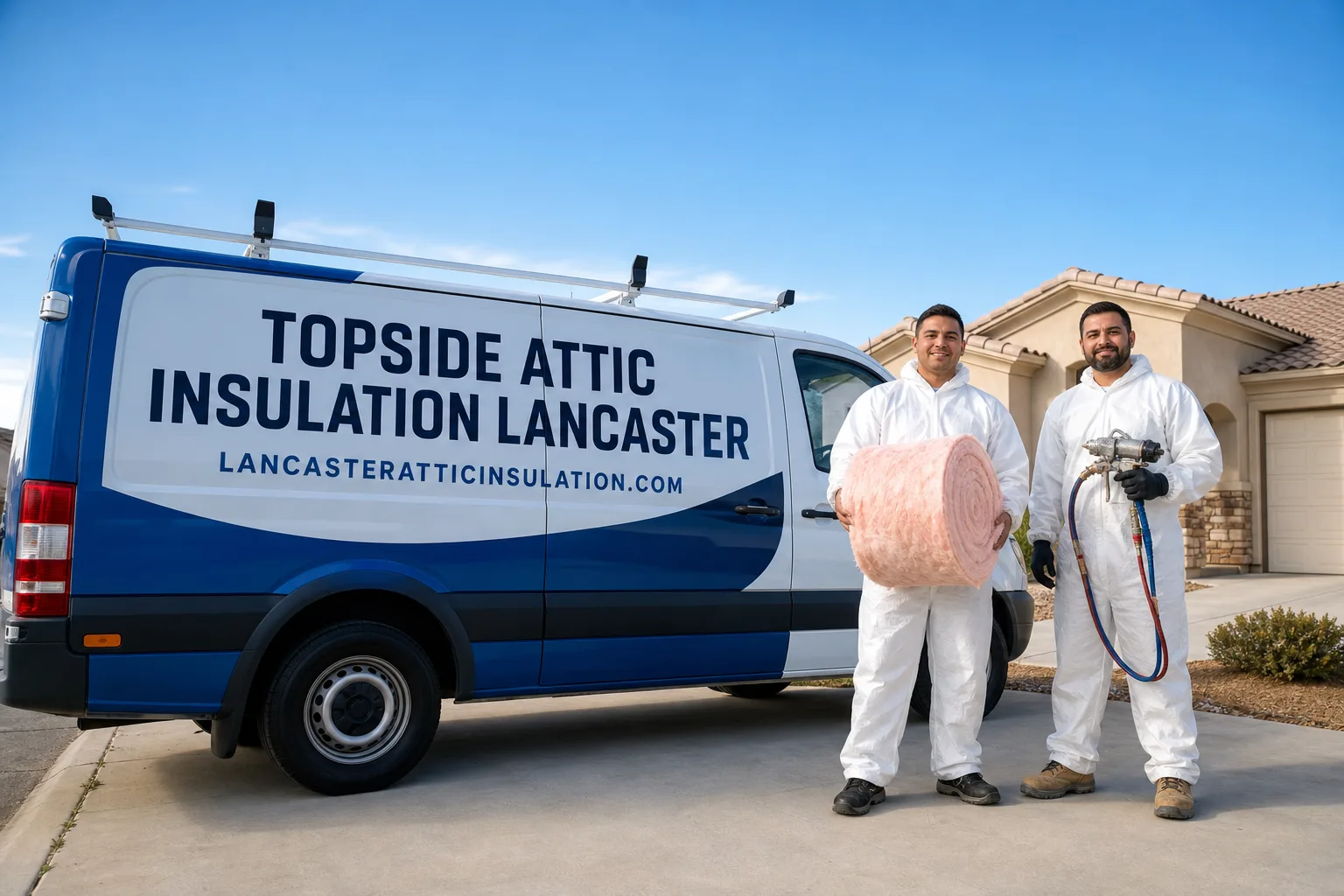
Fast, Reliable Blown-In Insulation Across Elizabeth Lake
Blown-in insulation in Elizabeth Lake, CA typically costs $1.80 to $3.20 per square foot installed, with most full attic jobs running $2,400-$4,800 and dense-pack wall retrofits for a 1,200-square-foot home falling between $3,200-$5,600. Our crews are dispatched from the Los Angeles office and carry the dense-pack equipment, blower-door rig, and cellulose or fiberglass stock needed for Elizabeth Lake’s rural acreage properties in a single trip. Call (661) 526-2890 and we’ll have a written price in your hands before any work starts.
Elizabeth Lake sits at roughly 3,100 feet in the Antelope Valley foothills, where homes face a punishing dual thermal load: summer highs routinely exceeding 100°F and winter lows that drop well below freezing with occasional snow - one of the widest seasonal temperature swings in all of Los Angeles County. Much of the housing stock was originally built as rural weekend retreats, not year-round residences, meaning insulation was an afterthought for a climate that demands it on both extremes. Every insulation job here must account for this unusual high-desert mountain-edge microclimate that neighboring Palmdale or Santa Clarita simply does not replicate.
We’re familiar with the long service drives off Elizabeth Lake Road, the converted cabins near the lake itself, and the manufactured homes on five-acre parcels toward the San Gabriel Mountains. Our trucks carry enough material to complete most jobs without a resupply run, because out here, “we’ll be back Tuesday” means another week of tripled heating bills or a portable AC unit running nonstop.
Why Topside Attic Insulation Lancaster Is Elizabeth Lake’s Preferred Blown-In Insulation Company
We’ve worked Elizabeth Lake long enough to know the difference between a property off Bouquet Canyon Road and one up toward the mountain ridge. That local knowledge matters when you’re estimating material for a 2,400-square-foot ranch with a detached workshop that also needs insulation, or when you’re planning access for a dense-pack job in a 1960s cabin with 24-inch stud spacing that isn’t standard anymore.
Our Elizabeth Lake customers have left us detailed reviews mentioning the blower-door printouts we leave behind and the photo documentation they received. They specifically note that our crews found air leaks around plumbing chases and can lights that two previous contractors had missed. These aren’t five-star generics - they’re homeowners who checked our math.
Response time to Elizabeth Lake is typically same-day or next-morning, depending on whether your call comes in before noon. Dispatch coordinates from our Los Angeles office, but the crew that shows up knows the area. They’ve driven the winding roads, they’ve worked in the wind that picks up in the afternoons, and they’ve learned to start attic jobs early before the roof deck hits 140°F in July.
The local knowledge that builds trust here is simple: we know most Elizabeth Lake homes were never designed for year-round occupancy. We know the building department history, the era when weekend cabins got converted without permits, and what that means for your wall cavities. We don’t treat your property like a standard tract home because it isn’t one.
Our Blown-In Insulation Services in Elizabeth Lake
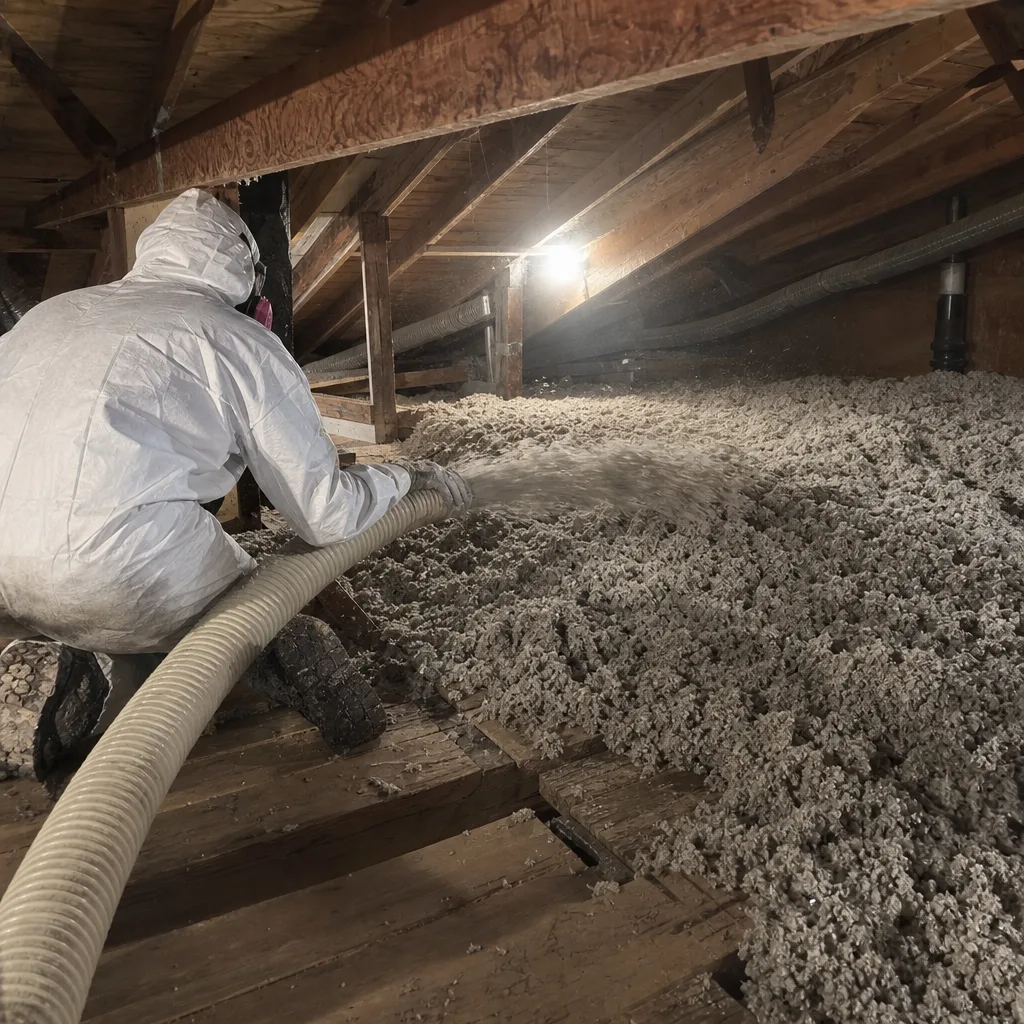
Blown-In Cellulose
We use GreenFiber cellulose for most Elizabeth Lake attic jobs because it handles the local climate’s demands better than loose-fill fiberglass in homes with active air leakage. Cellulose is treated with borate fire retardant and pest deterrent, which matters in rural properties where rodent access is more common than in city subdivisions. For a typical Elizabeth Lake ranch home of 1,400-1,800 square feet, blowing cellulose to R-49 runs $2,600-$4,200. We seal first, always. Top plates, can lights, plumbing and electrical penetrations get foamed or caulked before the blower truck starts. Our Blown-In Insulation team has completed this sequence on over 9,000 homes since 2016.
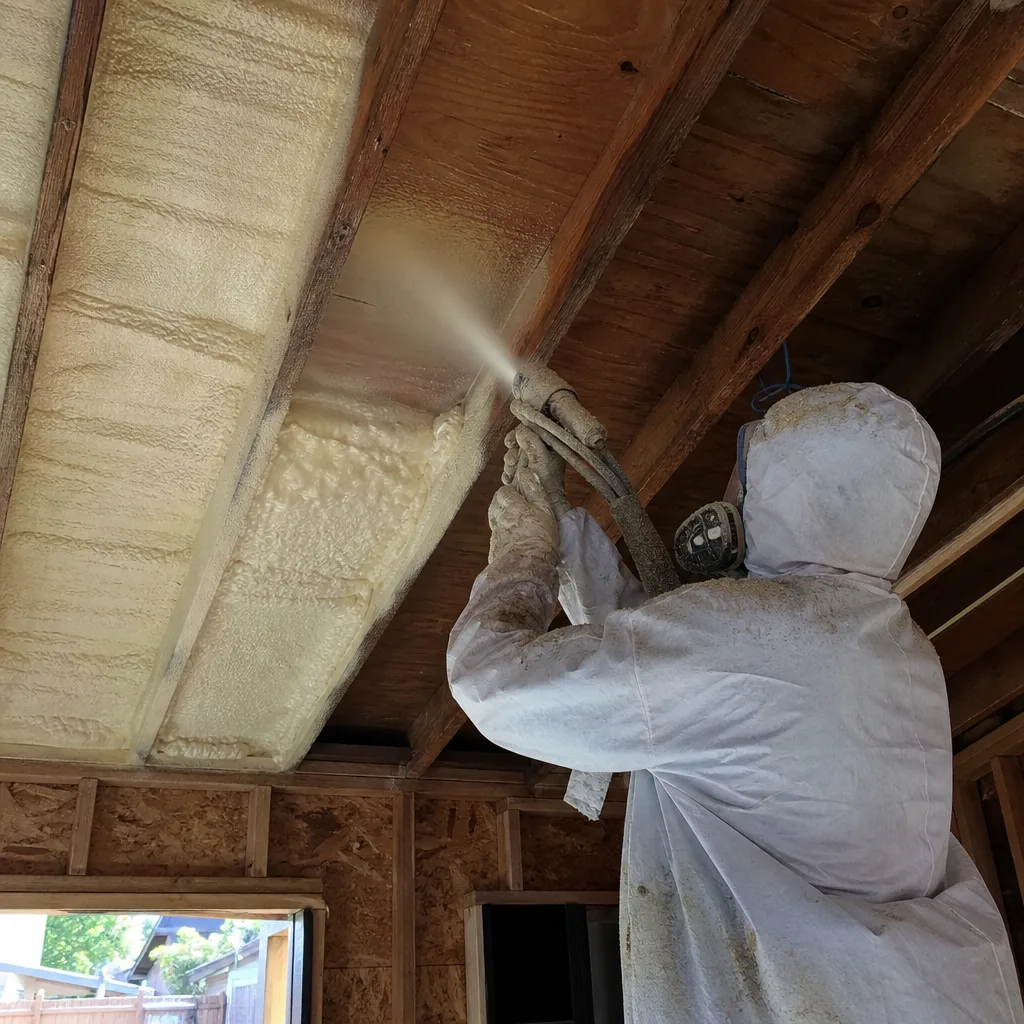
Blown-In Fiberglass
Owens Corning fiberglass loose-fill is our choice for Elizabeth Lake homes where moisture management is already dialed in and the primary need is thermal performance without added weight. Fiberglass doesn’t absorb moisture the way cellulose can, which matters in certain attic configurations. We blow it to specified density, not visual fullness. A standard Elizabeth Lake attic top-up with fiberglass to reach R-38 from existing R-19 runs $1,800-$3,000. We measure what you’ve got first, calculate the bag count to reach target R-value, and show you the numbers.
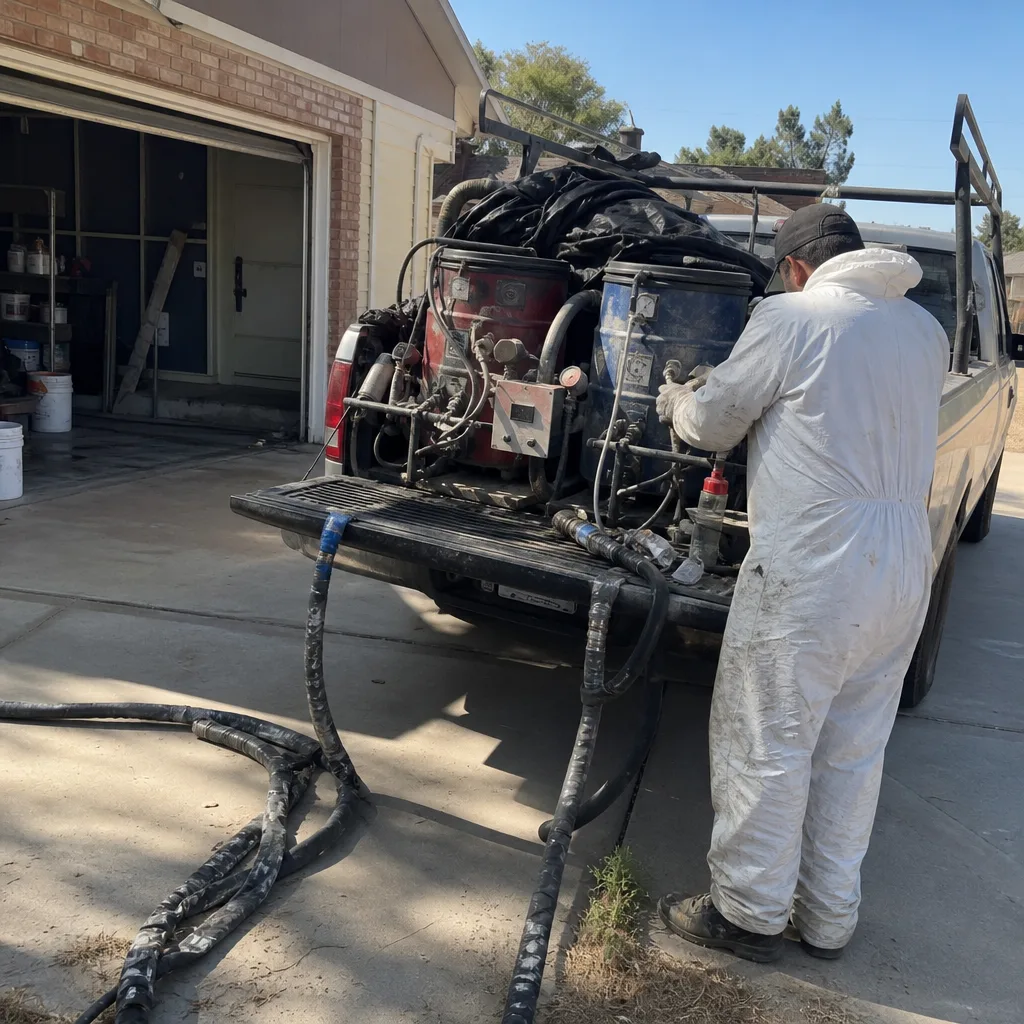
Dense-Pack Wall Insulation
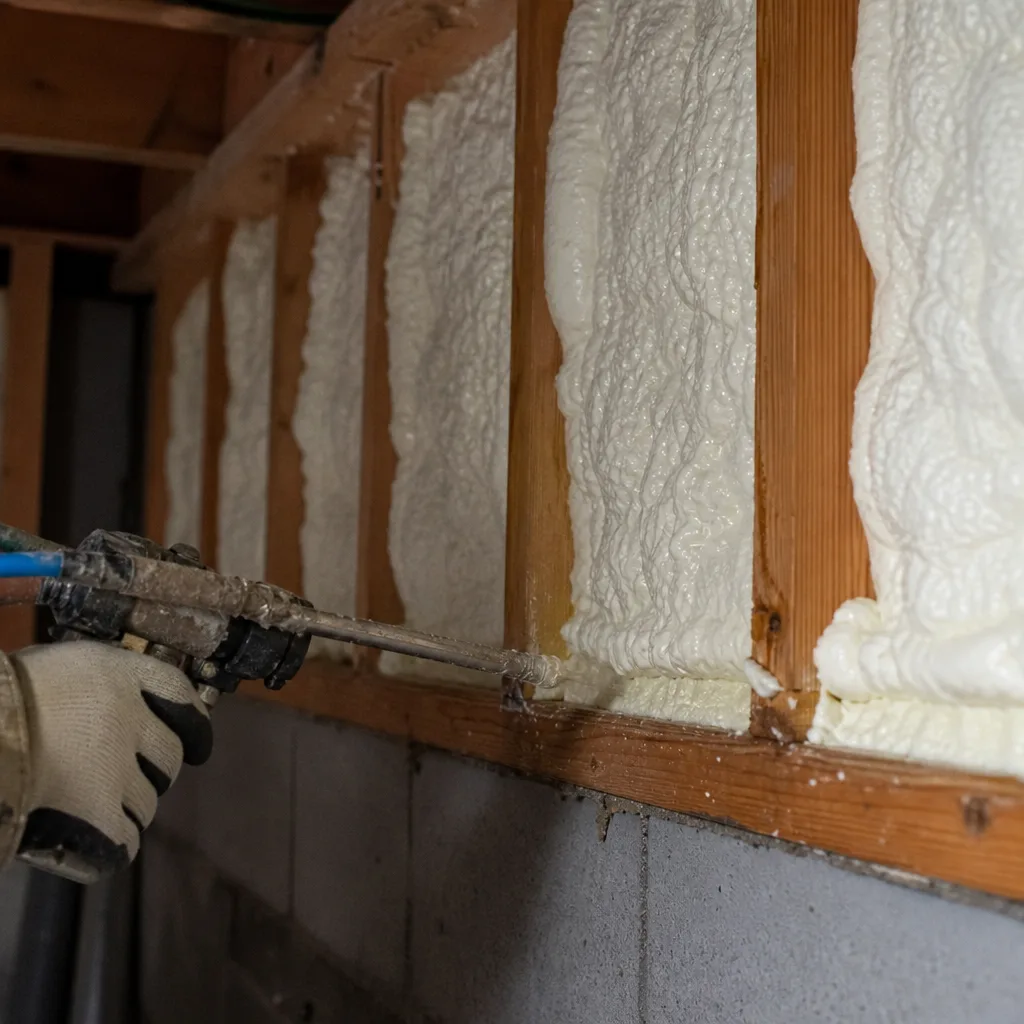
This is where Elizabeth Lake’s elevation changes everything. At 3,100 feet, the freeze-thaw cycling inside wall cavities is severe enough that standard dense-pack density - the spec a Palmdale crew might use - settles and loses contact with the stud bays over winter. We pack Elizabeth Lake walls at 3.5 to 3.7 pounds per cubic foot, higher than the 3.2 typical for lower desert elevations. The material, usually GreenFiber cellulose, is blown through fabric stapled to the interior wall at pressure high enough to fully pack the cavity without voids. A full exterior wall dense-pack for a 1,200-square-foot Elizabeth Lake home runs $3,200-$5,600. We drill access holes, pack, patch, and texture-match. You get before-and-after blower-door numbers showing the air-leakage reduction.
Elizabeth Lake’s elevation (~3,100 ft) creates year-round freeze-thaw cycling inside wall cavities, so dense-pack blown-in insulation must be installed at higher density than a standard desert job to resist settling and convective loss during the winter swing - something Palmdale crews rarely deal with at lower, warmer elevations.
Blown-In Top-Up
Elizabeth Lake has more than its share of “insulated” attics that were barely adequate when installed and have compressed to half their original R-value over twenty years of thermal cycling. We measure existing depth, identify the material type, and calculate exactly how much new blown-in is needed to reach current Title 24 standards. A typical Elizabeth Lake top-up runs $1,400-$2,800. But we won’t blow new material over an unsealed attic floor. The Haven Standard is clear on this: air sealing first, insulation second. If we find your top plates leaking or your can lights unboxed, we stop and show you why.
What happens when you call
- 1
A real person answersNo phone trees - you reach a local pro.
- 2
You get an upfront price rangeHonest numbers before anyone is dispatched.
- 3
A background-checked tech heads outLicensed & insured, dispatched right away.
- 4
You approve before work beginsNothing starts until you say go.
Trusted Brands We Service in Elizabeth Lake
We source blown-in materials from Owens Corning, Johns Manville, Knauf, and Rockwool, among others - no proprietary lock-in that limits what’s right for your specific job. For Elizabeth Lake’s climate extremes, we typically specify Owens Corning fiberglass for attic applications where thermal stability across wide temperature swings matters, and GreenFiber cellulose for dense-pack walls where the higher installed density and air-sealing synergy pay off in heating-season performance. Our trucks carry stock for Elizabeth Lake jobs specifically, so we’re not waiting on a Lancaster supply run while your attic sits open. Turnaround from written price to scheduled work is usually three to five business days, faster if it’s a heating emergency in January.
Common Blown-In Insulation Problems We See in Elizabeth Lake Homes
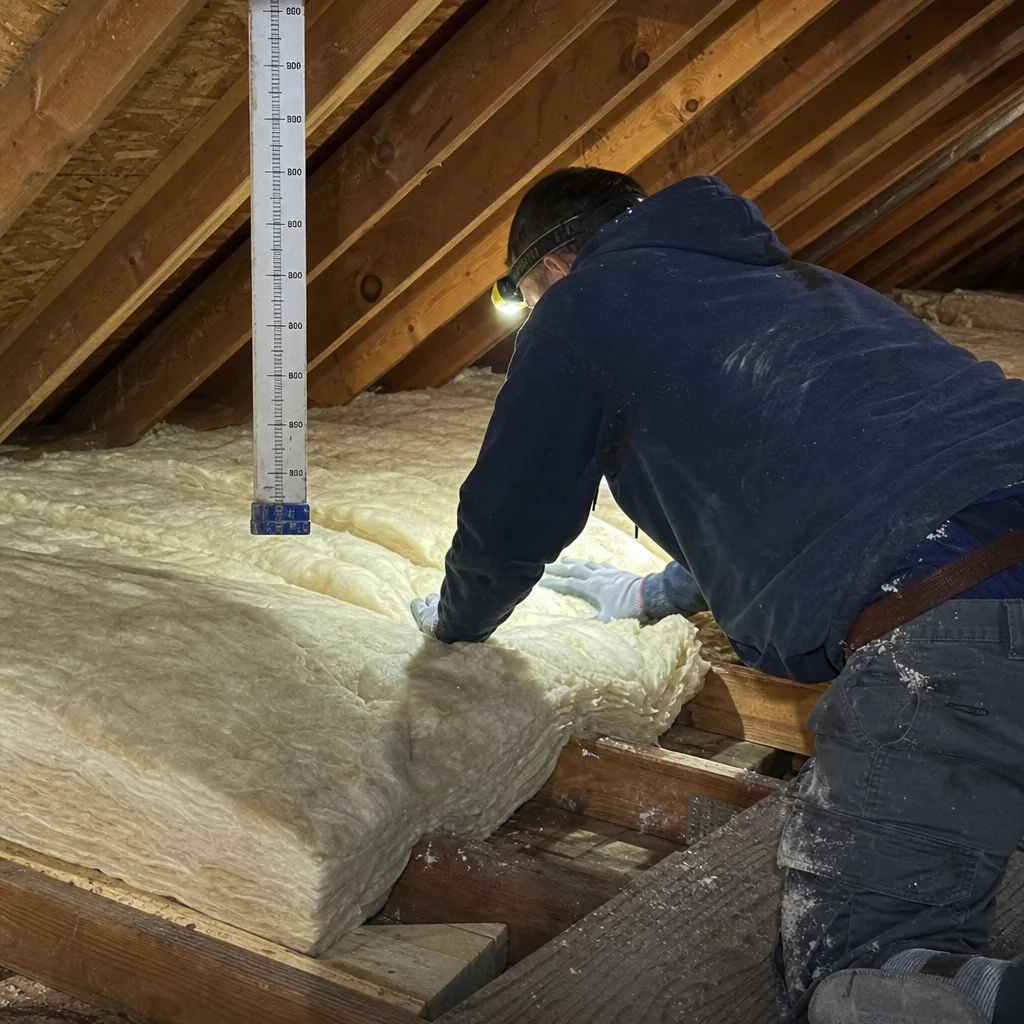
- Attic blown-in fiberglass installed too thin (sub-R-19) collapses under Elizabeth Lake’s occasional snow load and loses R-value as it compresses from freeze-thaw cycles. We’ve opened attics where the original installer counted on the material lofting back up after winter - it doesn’t. The compressed mat holds moisture longer and conducts heat faster.
- Dense-pack cellulose installed at standard density in wall cavities settles unevenly when the high-desert night plunge hits R-11 batts already compressed from decades of seasonal cabin use. The result is a wall that’s insulated at the top and bare at the bottom, which thermal imaging makes obvious.
- Man-made/mobile home belly boards and thin walls leak air at seams under the Antelope Valley foothills’ pressure differentials, so top-ups alone fail unless air sealing precedes the blow. We see this on acreage properties where the owner added a manufactured home as a primary residence without understanding the envelope limitations.
- Converted weekend cabins with zero wall insulation and sub-R-19 attic coverage that owners discover only after moving in full-time. The heating bill shock is real. We were called to a converted 1970s weekend cabin off Elizabeth Lake Road where the owner’s winter heating bills had tripled after moving in year-round. Our crew found zero insulation in the walls, sub-R-19 attic coverage, and batt that had compressed and sagged from years of freeze-thaw cycling. We dense-packed the exterior walls with GreenFiber cellulose, then blew Owens Corning fiberglass over the existing attic to bring it to R-49, sealing the top plates first to stop the convective bypass that was robbing the home in both summer and winter.
Pricing for Blown-In Insulation in Elizabeth Lake, CA
Here’s what blown-in insulation costs in Elizabeth Lake’s market, based on jobs we’ve written prices for in the last eighteen months:
| Service | Typical Range | Notes |
|---|---|---|
| Attic blown-in cellulose to R-49 | $2,600 - $4,200 | Includes air sealing of top plates, penetrations |
| Attic blown-in fiberglass to R-38 | $2,400 - $3,800 | From bare deck or over existing material |
| Dense-pack exterior walls | $3,200 - $5,600 | Per 1,200 sq ft living area; higher density for Elizabeth Lake elevation |
| Blown-in top-up to existing attic | $1,400 - $2,800 | Dependent on current depth and condition |
| Detached workshop/garage insulation | $1,800 - $3,600 | Varies with size and wall accessibility |
What moves the price: attic square footage, current insulation condition, accessibility (steep roof pitch adds time), whether air sealing is extensive, and whether we’re drilling for dense-pack or working through open framing. Every job gets a written price before any work starts - Haven Standard Clause 1. No exceptions. We also offer a Free Second Opinion on any written estimate from another contractor. Bring us their scope; we’ll read it with you.
We Also Serve Cities Near Elizabeth Lake
Our crews work the full Antelope Valley and northern Los Angeles County footprint. If you’re near Elizabeth Lake, you’re also close to our regular service area in Lancaster, Quartz Hill, Desert View Highlands, and Palmdale. Same written-price standard, same blower-door documentation, same 365-Day Done Right Promise applies.
Serving Elizabeth Lake, CA - Our Local Coverage Area
We’re based in the Elizabeth Lake area and know this community well. Use the map below to see our service coverage - if you’re nearby, we can almost certainly help.
FAQs - Blown-In Insulation in Elizabeth Lake
Yes, and it’s usually urgent. Weekend cabins were built to be occupied two days at a time, with heating and cooling systems sized accordingly and insulation treated as optional. When you live there full-time, the thermal mass of the structure never gets a chance to recover. We’ve seen heating bills jump from $180 to $540 a month in converted Elizabeth Lake cabins where the walls were empty. Dense-pack the walls, seal the attic floor, blow to R-49, and the system can finally catch its breath. Call (661) 526-2890 for a written price - estimates are free.
Yes. The 3,100-foot elevation creates freeze-thaw cycling inside wall cavities that lower-elevation desert homes don’t experience. We install dense-pack cellulose at 3.5-3.7 pounds per cubic foot in Elizabeth Lake, versus 3.2 in Palmdale, to resist settling and maintain cavity contact through winter contraction cycles. Attic insulation must also account for occasional snow load and the wider delta-T between indoor and outdoor temperatures. The material choice and density specification are adjusted for your microclimate, not a generic desert standard.
Yes, with specific caveats. Manufactured homes have thinner wall cavities (typically 2×4 or 2×3 construction, not 2×6), limited attic space, and belly boards that are often compromised. We dense-pack what we can access, address belly-board breaches with sealed vapor-barrier repair, and typically recommend a conditioned crawl approach or attic blow where the structure allows. The key is air sealing the seams first - manufactured homes leak at marriage walls, utility penetrations, and perimeter gaps under the pressure differentials common in the Antelope Valley foothills. We document what we find with photos and give you a written scope before starting.
We treat it as a separate building envelope with its own blower-door target. Workshops in Elizabeth Lake often become man caves, home offices, or guest quarters, and they’re usually worse than the main house - bare studs, unsealed ridge vents, metal doors with no thermal break. We dense-pack walls if they’re open or finished, blow attic insulation to R-38 minimum, and seal the envelope before insulating. Pricing typically runs $1,800-$3,600 depending on square footage and whether we need to install baffles or vent chutes. One trip, one crew, documented results.
GreenFiber cellulose for dense-pack walls in Elizabeth Lake because the higher installed density provides better air-sealing synergy and the borate treatment handles the rodent pressure common in rural properties. Owens Corning fiberglass for attics where thermal stability across 100°F summer days and sub-freezing winter nights matters most - fiberglass doesn’t absorb moisture and recovers its loft after compression better than cellulose in certain configurations. We select based on your specific building, not a one-material-fits-all policy. No proprietary lock-in. The right material for your job is the one that performs on the blower-door test we run when we’re done.
Ready to stop heating the Antelope Valley? Call (661) 526-2890 for your free estimate. We’ll send a crew to your Elizabeth Lake property, run the diagnostics, and put a written price in your hands before anyone lifts a tool. Under Haven Standard: flat price, written scope, written warranty, documented photos, and before-and-after blower-door numbers you can verify yourself.
Written by Wes Okafor, Owner at Envelope Insulation Co., serving Elizabeth Lake under The Haven Standard since 2016.