
Knauf Radiant Barrier Installation: The Lancaster Owner’s Guide
We stock and install Knauf-compatible radiant barrier systems in Lancaster, with most attic retrofits running between $1,800 and $3,400 for a complete installation depending on roof pitch and attic square footage. Same-day service is available when you call before noon. Most Lancaster homeowners realize their radiant barrier is failing when summer attic temperatures climb past 140°F and the second floor won’t cool below 78°F even with the AC running flat out.
Which Knauf Models This Applies To
Knauf manufactures radiant barrier products under two main lines relevant to our Lancaster market: the Knauf Insulation Radiant Barrier (foil-faced fiberglass batts) and the Knauf EcoSeal system, which pairs spray-applied air sealing with reflective components. The critical compatibility gotcha is this: Knauf’s foil-faced batts are engineered at 15.5 inches wide to fit standard 16-inch on-center truss bays, but pre-2019 production runs measured 16 inches exact and will buckle in newer framing. Check the printed roll label for “ASTM C665 Type II” - that denotes the foil facing suitable for exposed attic applications.
We also stock Reflectix as an alternative when Knauf lead times stretch past a week. For OEM-versus-aftermarket, Knauf’s own foil facing carries a 10-year degradation warranty in writing; generic reflective sheeting without the Knauf ASTM certification often delaminates in three to four years in the Antelope Valley’s UV load and 120°F attic peaks. We carry both on the truck, but we quote them separately so you see the delta.
Signs Your Knauf Radiant Barrier Installation Is Failing
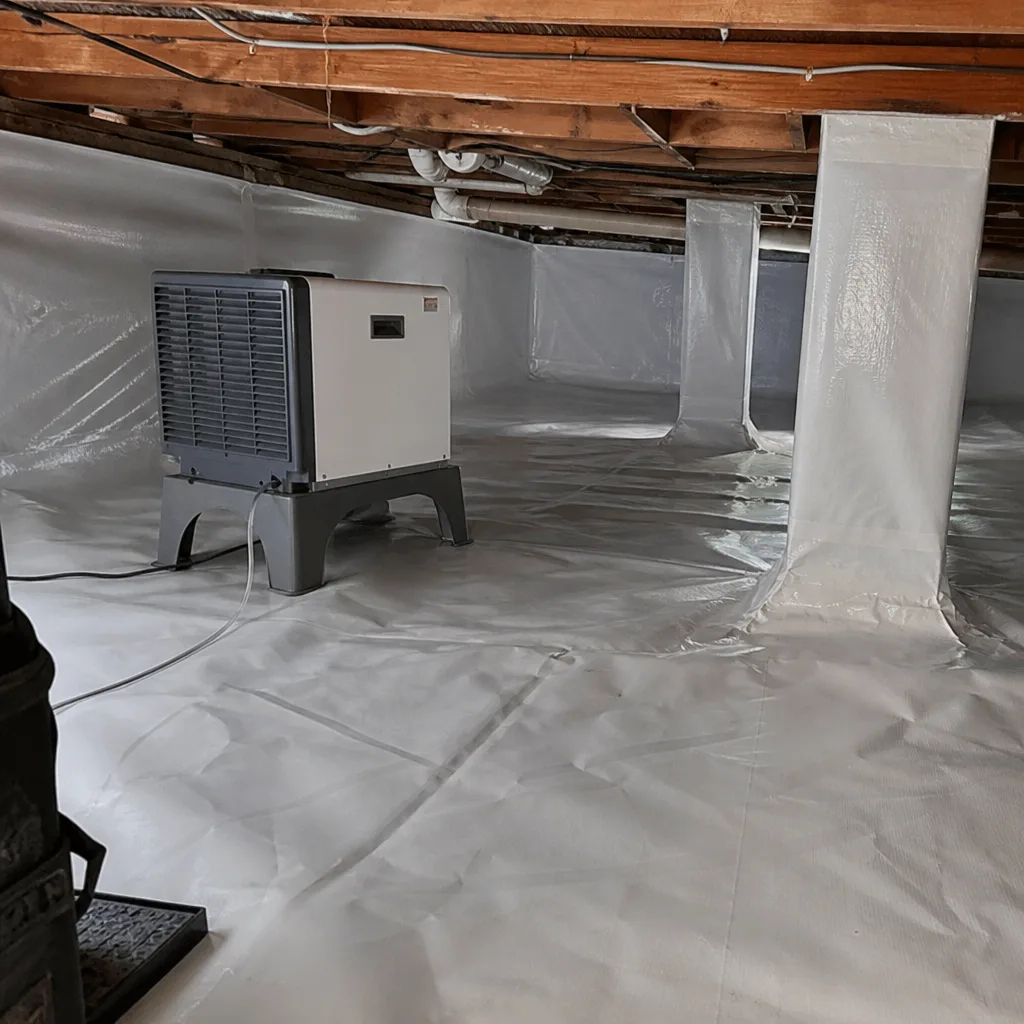
- Hot second floor, cool first floor. The radiant barrier’s reflective surface has oxidized or collected dust, dropping its emissivity below 0.05. Heat radiates off the roof deck straight through the insulation stack instead of being reflected back toward the vented attic space.
- AC runs continuously from 2 PM to sunset. Your cooling load has shifted later into the day because thermal mass in the ductwork and ceiling drywall is absorbing attic heat that the barrier once blocked. The equipment isn’t broken; the envelope has failed.
- Visible tears, drooping, or missing sections in the foil. Knauf foil facing tears at staple points when installers used pneumatic staples set too deep, or when rodents disturbed loose-laid product. Every gap is a thermal short circuit.
- Insulation batts compressed or displaced. Homeowners or prior contractors walking the attic have crushed the fiberglass behind the foil, reducing the stated R-value by 30 to 50 percent. The radiant barrier still reflects, but the insulation beneath it no longer slows conduction.
- Condensation or water stains on the ceiling in winter. This one’s counterintuitive: a failed air barrier combined with intact radiant barrier can trap moisture migrating from the conditioned space. The foil blocks outward drying, and Lancaster’s cold winter nights hit the dew point inside the cavity.
Replacement Cost & What’s Included
In Lancaster, a full Knauf radiant barrier retrofit on a 1,200 to 2,000 square foot attic typically runs $1,800-$2,800; larger homes or those with complex rooflines (hip roofs with multiple valleys, common in the neighborhoods west of the BLVD) push toward $3,000-$3,400. That range includes removal of degraded existing product, air sealing of top plates and penetrations with Knauf EcoSeal or equivalent, new foil-faced batt or radiant barrier sheeting per your spec, and a documented photo record of the completed work.
What moves the needle: attic accessibility (scuttle versus pull-down stairs), existing insulation that must be removed first, and whether we find unsealed can lights or open soffit drops that need addressing before the barrier goes in. We don’t blow insulation over an unsealed attic floor - seal the gaps first. Then insulate. The R-value you paid for is only as good as the air barrier behind it. Every job closes with a written scope, written warranty, and our 365-Day Done Right Promise under The Haven Standard.
DIY or Call Us?
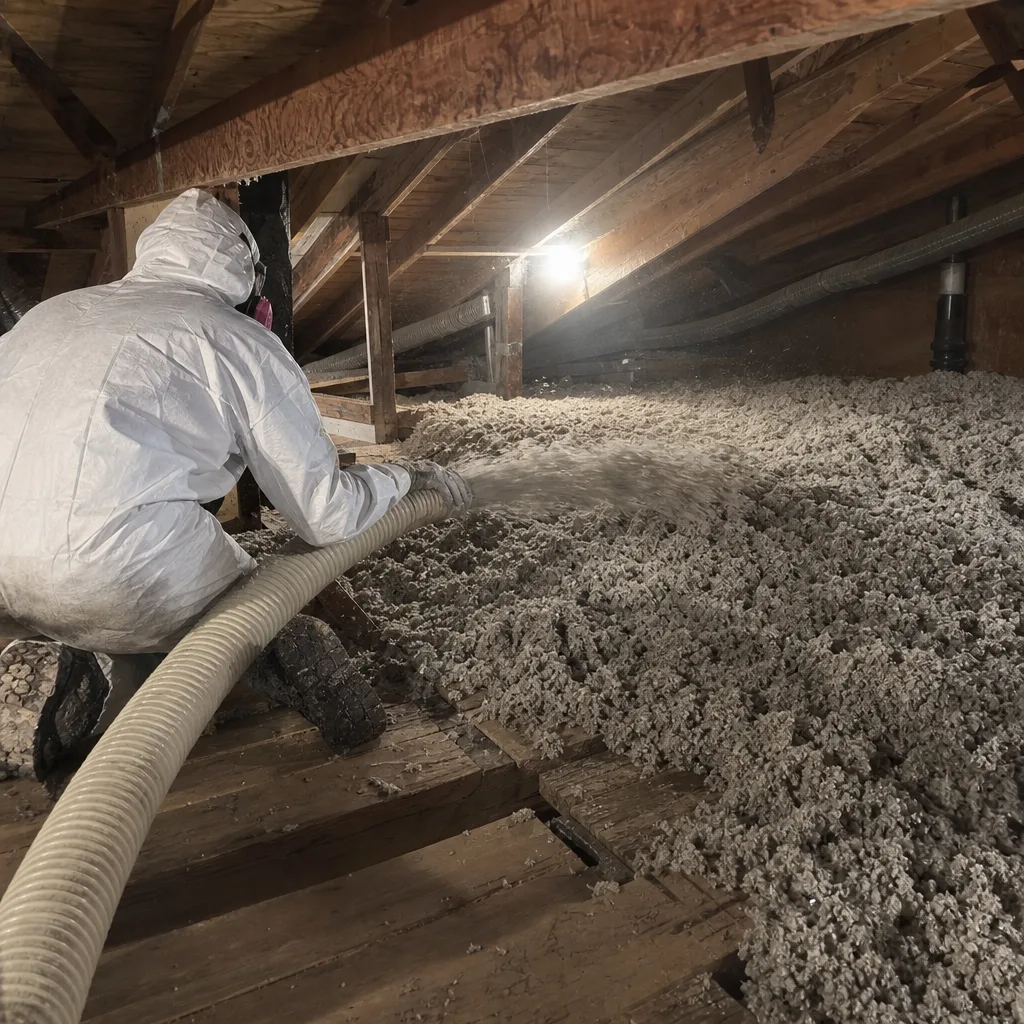
There’s no high-tension danger with radiant barrier like there is with garage door springs, but there are genuine hazards: Lancaster attics hit 130°F by July afternoon, ridge vents don’t move air until external wind picks up, and loose-laid foil near recessed can lights is a fire code violation if clearance isn’t maintained. A homeowner can safely check the visible foil condition from the attic hatch with a flashlight and note any model numbers on existing batts. That’s where DIY should stop.
Proper installation requires blower-door-guided air sealing first, correct staple placement to avoid tearing, and verification that the reflective surface faces the open attic space (not the conditioned side - we see this reversed on self-installs quarterly). Call (661) 526-2890 and we’ll read your attic with you, same day if you call before noon.
FAQs
In the Antelope Valley’s combination of intense UV, 120°F attic peaks, and fine dust infiltration, properly installed Knauf foil-faced product maintains its rated emissivity for 10 to 15 years. Dust accumulation is the silent killer - it raises surface emissivity and nullifies the reflective effect long before the foil physically degrades. Call (661) 526-2890 for an attic assessment and we’ll measure what you’ve actually got up there; estimates are free.
Patching works only for isolated mechanical damage in otherwise intact product. If the foil has oxidized uniformly, if dust has embedded in the surface, or if the fiberglass batt behind it is compressed, replacement is the cost-effective path. We’ve tried cleaning foil in-place - the labor exceeds new material cost and the results don’t last. Call (661) 526-2890 and we’ll show you the photo evidence so you can decide.
A standard Lancaster retrofit runs one full day for a two-person crew: morning for removal and air sealing, afternoon for barrier installation and photo documentation. Complex attics with multiple dormers or active rodent issues may extend to a second day. We give you a written schedule with your written price before anyone starts - Haven Standard Clause 1.
We carry Knauf foil-faced batts in 15.5-inch width, R-19 and R-30 thicknesses, plus Reflectix as backup. For EcoSeal systems or custom widths, we pull from the Knauf distribution point in Palmdale with next-day availability. If you’re reading this in July and your AC is screaming, call (661) 526-2890 - we’ll confirm stock against your attic measurements before we roll.
Topside Attic Insulation Lancaster is an independent service provider and is not affiliated with, endorsed by, or a distributor for Knauf Insulation. Knauf is a registered trademark of its respective owner.
Written by Wes Okafor, Owner & Lead Insulation Technician, Topside Attic Insulation Lancaster at Topside Attic Insulation Lancaster, serving Lancaster and nearby areas.