
Knauf Vapor Barrier Installation: The Lancaster Owner’s Guide
Knauf vapor barrier installation in Lancaster typically runs $1,800-$3,400 for a full crawl space or attic application, depending on square footage and whether the space needs prep work. We stock Knauf Insulation’s Faced Batt and EcoSeal-compatible vapor retarder systems on our Lancaster trucks, and most residential jobs can start same-day or next-day once we complete the pre-install air-leak audit. Most homeowners discover their vapor barrier is failing when they notice a sharp musty smell after winter rains, see condensation beading on ductwork in a Lancaster July, or find insulation batting that feels damp to the touch during a routine HVAC filter change.
Which Knauf Models This Applies To
Knauf manufactures vapor retarder products across several insulation lines, and matching the right barrier to your existing system matters for warranty compliance and performance.
The most common Knauf products we encounter in Lancaster homes are the Knauf Insulation EcoSeal System, which uses a water-based elastomeric sealant paired with a polyethylene vapor retarder membrane, and Knauf Faced Batt insulation with its built-in kraft-paper vapor retarder facing. For crawl space encapsulation, we also install Knauf’s loose-fill blow-in systems where a separate 6-mil polyethylene vapor barrier is required by California Title 24 energy code.
To identify what you have, check the paper facing on any exposed batt insulation for the Knauf logo and product code, or look for a white or yellow polyethylene sheet in your crawl space with printed mil thickness and ASTM E1745 compliance markings. The critical compatibility gotcha in our market: Knauf’s EcoSeal elastomeric sealant is formulated specifically for their membrane and will not bond properly to generic 6-mil poly from a hardware store, creating a seam failure within 18-24 months in Lancaster’s freeze-thaw cycle.
We are an independent service provider with no affiliation to Knauf. We source their materials through authorized distribution and can also install quality aftermarket vapor retarders from Reflectix and other manufacturers where the application calls for it. For most Lancaster retrofits, we recommend staying with Knauf-compatible membranes if the original system was Knauf, since mixing manufacturers on the same thermal envelope voids the performance warranty and complicates future service.
Signs Your Knauf Vapor Barrier Installation Is Failing
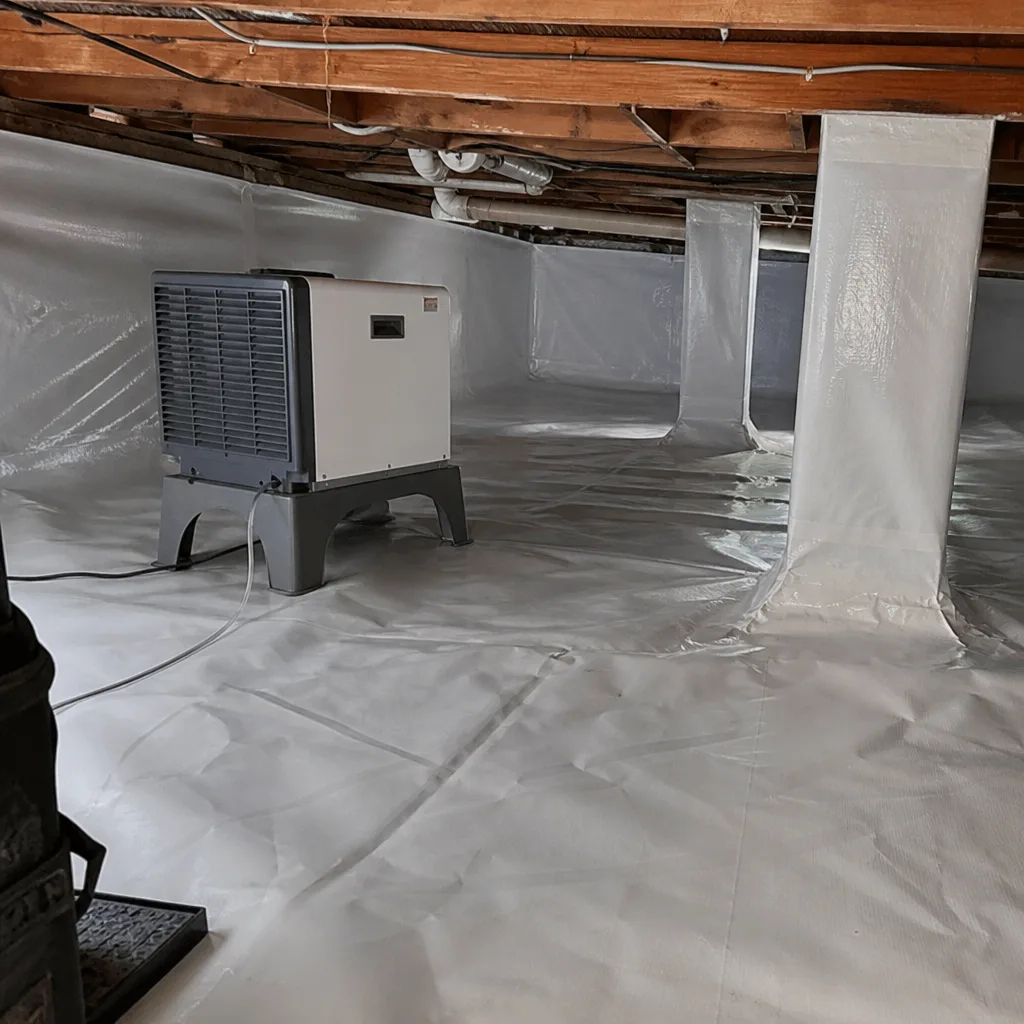
- Condensation on ductwork or pipes in summer. When the vapor barrier tears or separates at seams, moist air from Lancaster’s monsoon-season soil hits cool HVAC ducts and condenses. We see this most often in homes west of the 14 Freeway where the water table sits higher and crawl spaces run cooler.
- Musty odor that intensifies after rain. A compromised barrier lets ground moisture evaporate upward into the floor assembly. The smell typically peaks 48-72 hours after a storm, once the soil saturation reaches the crawl space air volume.
- Sagging or discolored insulation batting. Knauf Faced Batt relies on its kraft-paper facing as the vapor retarder. When that facing tears or the adhesive fails, the fiberglass absorbs moisture, turns gray or yellow, and loses its loft, which directly reduces the R-value you paid for.
- Visible pooling or efflorescence on the crawl space floor. White mineral deposits on concrete or dirt indicate long-term moisture migration past a failed barrier. In Lancaster’s Antelope Valley, where summer soil temperatures can exceed 95°F, this accelerates subfloor rot in homes built 2005-2015 with OSB sheathing.
- Increased HVAC runtime without thermostat change. Wet insulation conducts heat rather than resisting it. A homeowner in the Rancho Vista neighborhood called us last March after noticing her heat pump ran 22% longer month-over-month; the blower-door test showed normal envelope leakage, but the crawl space vapor barrier had separated at the perimeter walls, letting moist air infiltrate and saturate the floor insulation.
Replacement Cost & What’s Included
Most full vapor barrier replacements in Lancaster homes run $1,800-$3,400 installed. The lower end covers a clean, rectangular crawl space under 1,200 square feet with straightforward access. The upper end reflects larger footprints, rodent-damaged subfloors requiring repair coordination, or spaces with less than 18 inches of clearance where work slows significantly.
| Component | Typical Range |
|---|---|
| Knauf-compatible 6-mil or 10-mil polyethylene vapor retarder | $0.45-$0.85/sq ft material |
| EcoSeal elastomeric seam sealant (if specified) | $180-$320 |
| Perimeter attachment and foundation sealing | $340-$580 |
| Labor: removal, prep, install, documentation | $980-$1,760 |
What drives the range: crawl space height, existing debris or damaged insulation requiring removal, and whether we need to coordinate with a pest control contractor for active rodent exclusion before we seal the envelope. Every job gets a Written Price Before Any Work Starts under Haven Standard Clause 1, flat and itemized, with no add-ons after signature. Our 365-Day Done Right Promise covers all completed vapor barrier work, and you receive a Documented Photo Record plus before-and-after moisture meter readings so you have evidence of what changed.
DIY or Call Us?
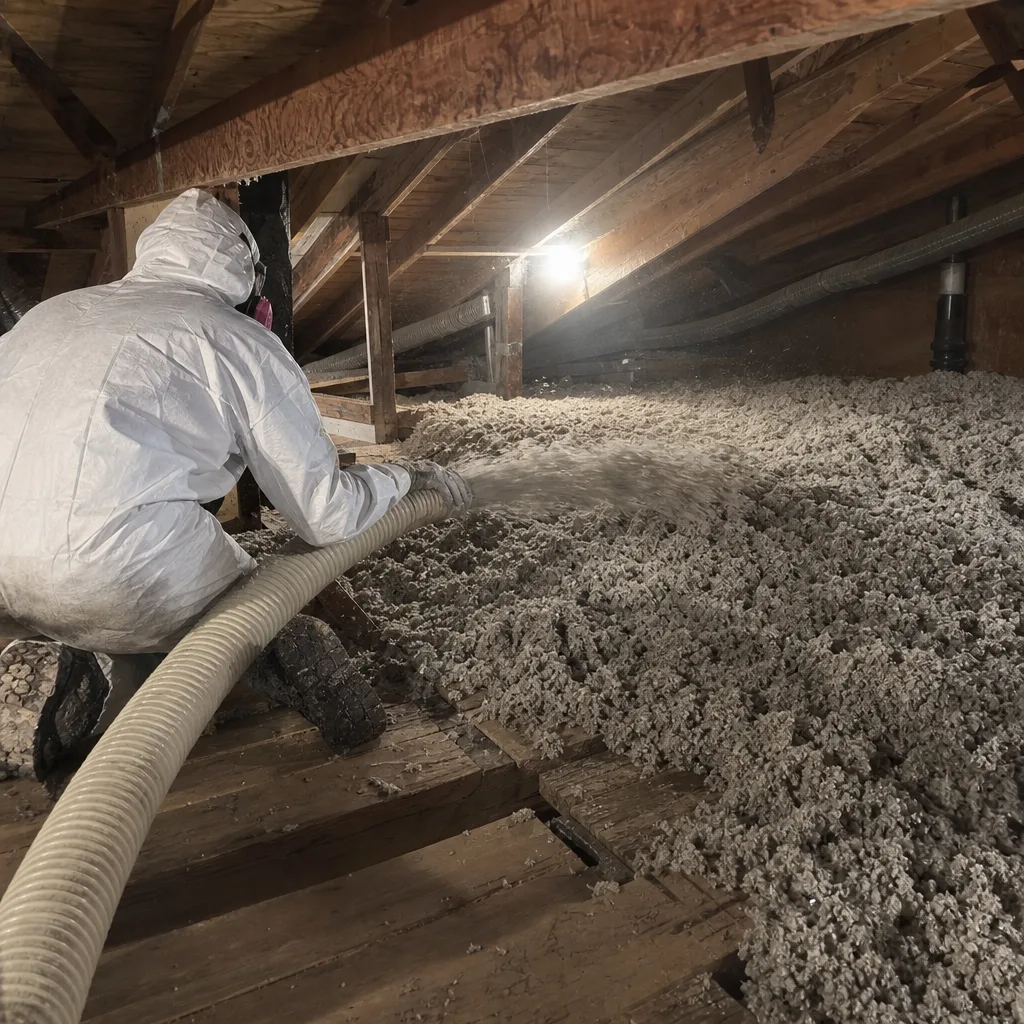
There’s a clear line between what a homeowner can safely assess and where professional installation becomes necessary.
You can check: whether the vapor barrier has visible tears, whether seams are still taped or sealed, and whether puddles form after rain. A flashlight and a moisture meter from a hardware store will tell you if humidity exceeds 60% in the crawl space, which is the threshold where mold risk accelerates.
Where DIY goes wrong: vapor barrier installation is not technically high-risk like electrical or gas work, but the failure mode is invisible and expensive. Gaps at the perimeter wall, improper overlap at seams (Knauf specifies 12-inch minimum overlap for their polyethylene systems), and missing termination at piers or columns all let moisture bypass the barrier. In Lancaster’s climate, with 130°F attic temperatures in July and winter nights below freezing, the expansion and contraction cycle finds every shortcut within two seasons. We regularly re-do homeowner installs where the material was correct but the detailing failed.
Seal the gaps first. Then insulate. The R-value you paid for is only as good as the air barrier behind it. If you’re unsure what you’re looking at, call (661) 526-2890 for a free second opinion on any condition you’ve found. We’ll read it with you and give you a written price if work is needed.
FAQs
In Lancaster’s high-desert climate, a properly installed Knauf vapor barrier typically lasts 15-20 years before material degradation. The polyethylene becomes brittle faster if the crawl space has chronic drainage issues or if the original install skipped UV-resistant grade for any above-ground exposure. Call (661) 526-2890 for an exact assessment of your barrier’s condition; estimates are free.
Small punctures or tears under 6 inches can be patched with compatible polyethylene tape and sealant if the surrounding material is still supple. We do not recommend patching when you have multiple failure points, seam separation, or brittle material that tears under light finger pressure; the labor to patch exceeds replacement cost and leaves you with a weaker system. Call (661) 526-2890 and we’ll show you on the photo record whether repair or replacement makes sense.
Most residential vapor barrier replacements in Lancaster take one full day for crews of two technicians. Larger homes or crawl spaces with restricted access may extend to a second day. We schedule the pre-install air-leak audit separately so the crew arrives with materials cut and staged, not measuring on your clock. Call (661) 526-2890 to check current availability.
We stock Knauf-compatible 6-mil and 10-mil polyethylene sheeting, EcoSeal elastomeric sealant, and seam tape on every Lancaster service vehicle. For specialized applications, such as Knauf’s higher-mil crawl space membranes or custom-cut pieces for pier-and-beam foundations, we pull from local distribution with same-day or next-morning availability. Call (661) 526-2890 to confirm the exact spec for your job.
Written by Wes Okafor, Owner & Lead Insulation Technician, Topside Attic Insulation Lancaster at Topside Attic Insulation Lancaster, serving Lancaster and nearby areas.