
Icynene Attic Cleaning & Rodent Proofing in Lancaster: What to Know First
We provide independent Icynene attic cleaning and rodent proofing in Lancaster, with most jobs completed same-day and a written price delivered before any work starts. Typical turnaround from call to completion runs 24-48 hours for standard cleanouts, and we stock OEM and quality aftermarket parts for the Icynene lines most common in Antelope Valley homes. This page is for Lancaster homeowners who have Icynene insulation in their attic and are dealing with rodent damage, contamination, or the structural problems that follow. Call (661) 526-2890 to schedule a free estimate, or text us if that’s easier.
How Icynene Products Fail - and How We Fix Them
- Icynene Classic Max (open-cell) - compression damage from rodent nesting. Classic Max has a nominal density of 0.5 lb/ft³, which means rodents can burrow through it faster than closed-cell alternatives. In Lancaster’s high-desert climate, the temperature swings between 110°F summer attic peaks and 30°F winter lows accelerate the foam’s brittleness after rodent oil contamination. We remove the compromised sections down to substrate, treat the decking with an enzyme-based decontaminant, and reinstall with closed-cell Icynene MD-R-200 in traffic zones where rodents return.
- Icynene ProSeal (closed-cell) - delamination from roof-leak saturation. ProSeal’s 2.0 lb/ft³ density makes it rodent-resistant but not rodent-proof; when roof leaks occur (common after Lancaster’s occasional heavy winter storms), water gets trapped at the foam-decking interface. The result is a fish-scale pattern of delamination that’s invisible from below but obvious once you’re in the attic. We cut out saturated sections, map the delamination with a moisture meter, and reinstall only after the decking reads below 19% moisture content.
- Icynene LD-C-50 (low-density open-cell) - dust and allergen retention. LD-C-50’s cell structure is more permeable than Classic Max, which is good for vapor management in Lancaster’s dry climate but bad for holding rodent droppings and organic debris. The foam itself doesn’t degrade, but it becomes a reservoir for particulates that standard vacuuming won’t extract. We use HEPA-negative air machines during removal, then seal the substrate with a vapor-retarder primer before reinstalling with a higher-density product matched to the home’s HVAC load.
- Icynene MD-R-200 (medium-density) - mechanical damage from stored items. We see this in Lancaster’s newer subdivisions near Quartz Hill, where homeowners use the attic for storage after installation. MD-R-200 is rated for incidental contact, but repeated compression from plywood walking boards or storage bins crushes the cell structure and creates thermal bypasses. We remove the damaged zones, install structural walking mats over the repaired areas, and document the load limits in the written attic access summary.
- Icynene H2Foam Lite - off-gassing concerns after rodent urine saturation. H2Foam Lite uses a water-blown formulation that’s generally low-VOC, but rodent urine introduces urea compounds that react with the foam’s isocyanate residues in confined attic spaces. The result is a persistent ammonia-like odor that standard sanitizing won’t resolve. We perform complete removal on affected sections, apply a two-part enzymatic treatment to the substrate, and reinstall with fresh material only after air sampling confirms no residual off-gassing.
Our Icynene Attic Cleaning & Rodent Proofing Process
- 1
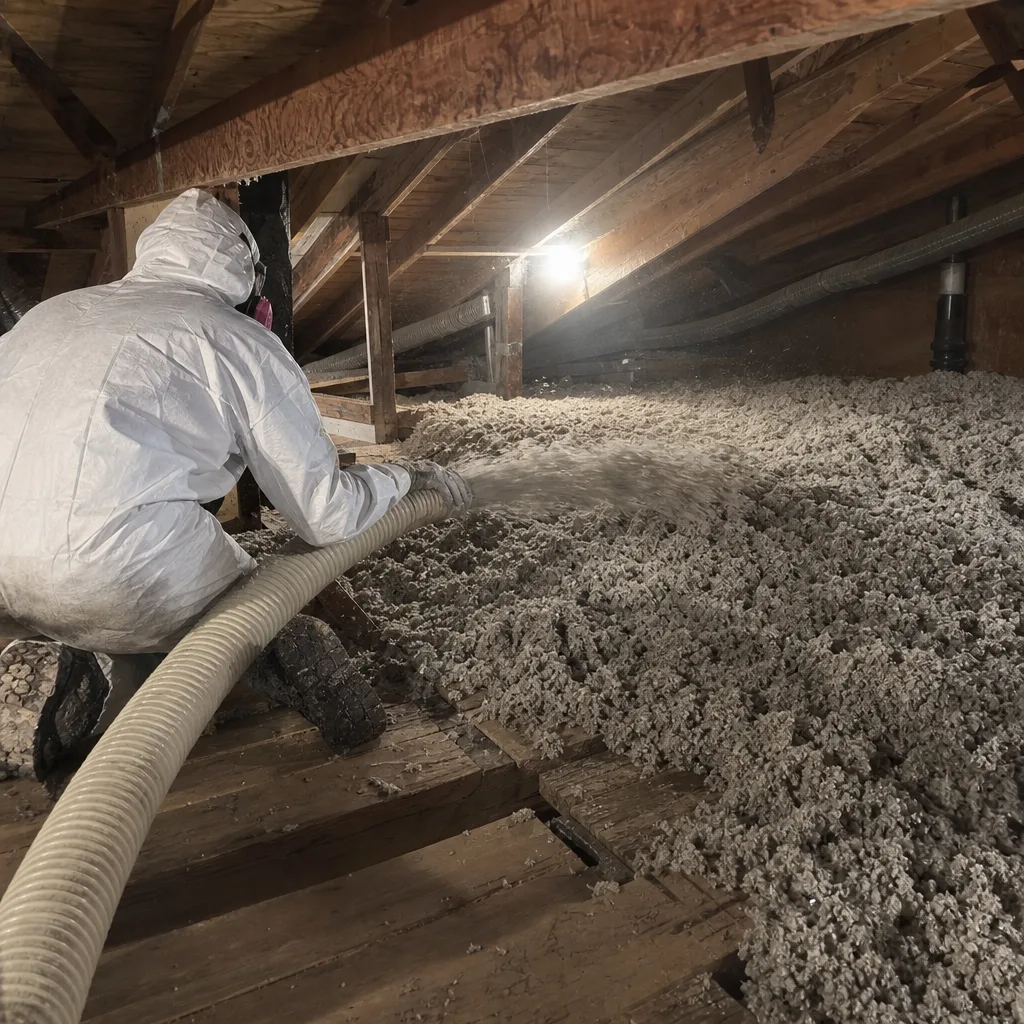
Attic assessment with thermal imaging and moisture mapping. We document existing Icynene product type, thickness, and condition before touching anything. The homeowner gets these photos before we leave the attic.
- 2
Written scope and price - Haven Standard Clause 1. Flat price, written warranty, documented photo record. No work starts without all three.
- 3
Controlled removal with HEPA-negative air containment. We isolate the attic from living space, remove contaminated or damaged Icynene in sections, and bag it on-site. Rodent debris is handled as biohazard, not household waste.
- 4
Substrate treatment and rodent exclusion. Enzymatic decontamination of decking and joists, followed by steel mesh and foam sealant at all penetration points - plumbing stacks, electrical chases, eave gaps. This is where we seal the gaps first, before any new insulation goes in.
- 5
Reinstallation with product-matched or upgraded Icynene. OEM-specified density and thickness, or upgrade per homeowner approval. We never substitute generic open-cell where closed-cell was specified.
- 6
Post-install documentation. Final photo record, written attic access summary, and 365-Day Done Right Promise delivered by email before the crew leaves. On full-envelope jobs, we add blower-door numbers - the pressurization reading that shows, in one figure, how much air the home was losing before and after.
What Icynene Attic Cleaning & Rodent Proofing Costs in Lancaster
Most Icynene attic cleanouts and rodent proofing jobs in Lancaster run between $2,400 and $5,800, with full restorations on larger homes or severe contamination reaching $7,500-$11,000. What moves the price:
- Extent of contamination: Light droppings and localized nesting versus saturated foam requiring complete removal
- Icynene product line: Open-cell removal is faster; closed-cell ProSeal requires cutting and prying, adding labor hours
- Decking repairs: Rodent urine degrades OSB over time; replacement adds $400-$900 per sheet in Lancaster’s current lumber market
- Reinstallation density: Upgrading from Classic Max to MD-R-200 adds material cost but reduces future rodent vulnerability
We provide a written price before any work starts - always - and offer a free second opinion on any competing written estimate. Call (661) 526-2890 for an exact quote; estimates are free.
Why Lancaster Homeowners Call Topside Attic Insulation Lancaster for Icynene Work
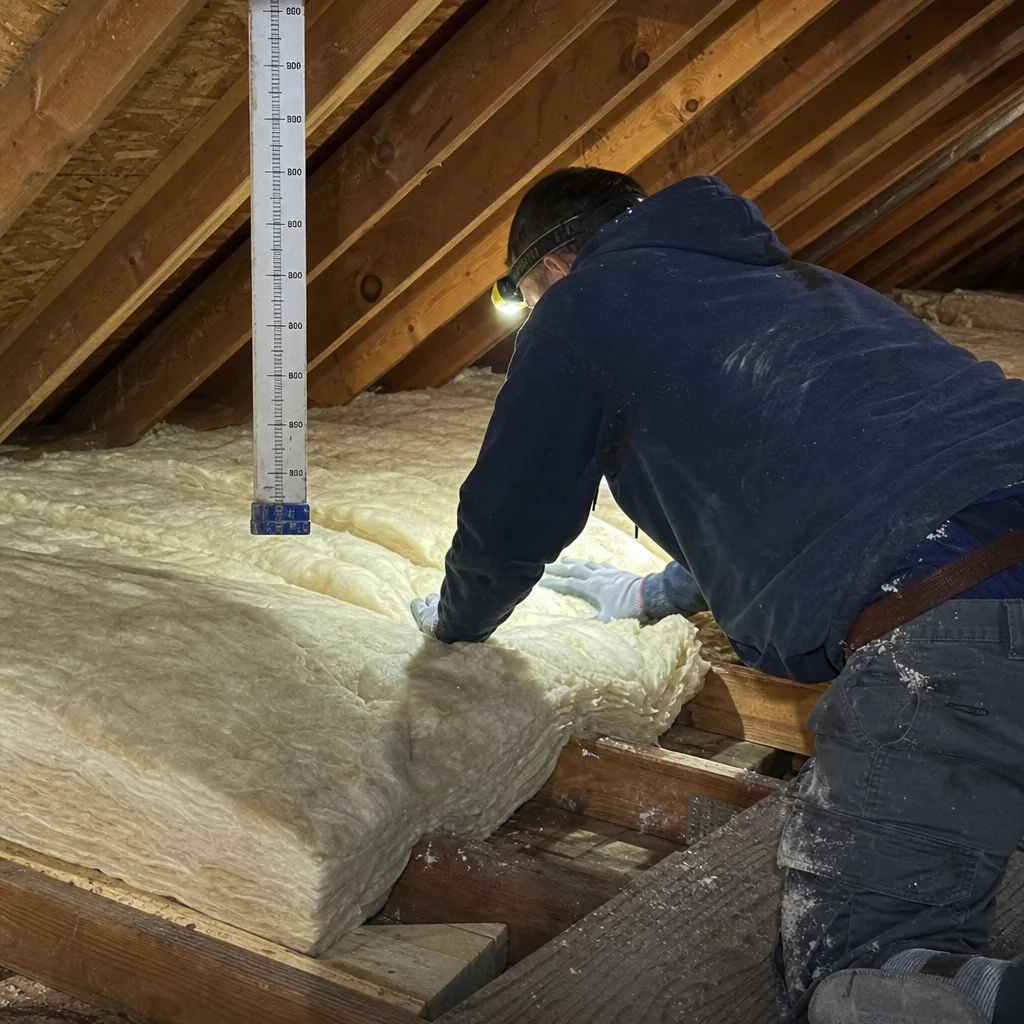
We’ve sealed and insulated more than 9,000 homes since 2016, and the ones with Icynene products require a specific diagnostic approach - the failure modes aren’t the same as fiberglass or cellulose, and the fix isn’t either. Wes Okafor, our owner and lead technician, started in building science at Dawson Technical Institute in Chicago, running blower-door diagnostics before most contractors in this market were using them. He brought that methodology to Lancaster, where the 130°F July attic temperatures and freeze-thaw winter cycles create stress patterns you won’t see in milder climates. We also service Reflectix and other major brands, so if your attic has mixed insulation types from a previous owner’s partial upgrade, we don’t need to call in a second contractor. Every job ends with a documented photo record and the 365-Day Done Right Promise - if it’s not done right, we make it right.
FAQs
No - Icynene’s limited warranty covers product defect, not installation or subsequent service work, so professional cleaning and repair by an independent service provider doesn’t affect coverage. We document our work with photos and written scope so there’s a clear record if any product defect claim arises later. Call (661) 526-2890 if you need help understanding your original warranty terms.
We stock both OEM Icynene materials and quality-matched aftermarket alternatives from Owens Corning, Johns Manville, Knauf, and other suppliers we source from regularly. For warranty-adjacent work or color-matched repairs, we default to OEM; for upgrades or budget-conscious restorations, we’ll quote both options in writing. No proprietary lock-in.
Localized damage - a single rodent nest zone, one delaminated section - is almost always cheaper to repair, typically 30-50% less than full removal and reinstallation. But if contamination covers more than 40% of the attic footprint, or if the foam is older than 15 years with multiple failure types, replacement is more cost-effective long-term. We give you both numbers in writing.
We schedule assessments within 24 hours for active contamination - rodent waste in living spaces, HVAC intake contamination, or structural odor issues. Standard cleanouts book within 48 hours. Calls are answered by a live person 24/7, and you’ll get a text when your technician is en route.
No exclusion system is permanent against determined rodents, but our steel-mesh and closed-cell foam sealing at all penetrations typically achieves 5-10 year effectiveness in Lancaster’s desert environment, where roof rats and mice have fewer alternate entry options than in coastal California. We warranty the workmanship for 365 days and document every sealed point in your attic access summary so future inspectors know what was done.
Written by Wes Okafor, Owner & Lead Insulation Technician, Topside Attic Insulation Lancaster at Topside Attic Insulation Lancaster, serving Lancaster and nearby areas.