
GreenFiber Radiant Barrier Installation: The Lancaster Owner’s Guide
We stock and install GreenFiber-compatible radiant barrier systems in Lancaster homes, with most attic installations running between $1,800 and $3,400 depending on attic square footage and whether the existing insulation needs to be moved or replaced. Same-day installation is available when we have your measurements and photos ahead of the call. Most Lancaster homeowners discover their radiant barrier is failing when summer attic temperatures climb past 130 degrees and the second floor won’t cool below 78, even with the AC running continuously.
Which GreenFiber Models This Applies To
GreenFiber produces loose-fill cellulose insulation, not a dedicated radiant barrier product line, so “GreenFiber radiant barrier installation” refers to the retrofit application of reflective barrier material over or alongside existing GreenFiber cellulose in an attic assembly. The compatibility question is whether your GreenFiber cellulose depth and density can support a radiant barrier installation without compression that would degrade its R-value. We see this most often in Lancaster homes built between 1985 and 2010 where GreenFiber AllBor or Sanctuary was blown to R-30 or R-38, and the homeowner now wants to add a radiant barrier to address summer heat gain.
To identify what you have, check the attic floor for a GreenFiber bag label or the original contractor’s invoice. The critical spec is settled depth: if your cellulose is below 10 inches, adding a radiant barrier on the attic floor risks compressing the insulation and dropping effective R-value. In that case, we install a truss-mounted or rafter-mounted barrier instead. We source our reflective barrier from Owens Corning and Reflectix, not proprietary GreenFiber-branded material, so there’s no OEM lock-in. The Haven Standard: Have it in writing means you get the product spec sheet before we start.
Signs Your GreenFiber Radiant Barrier Installation Is Failing
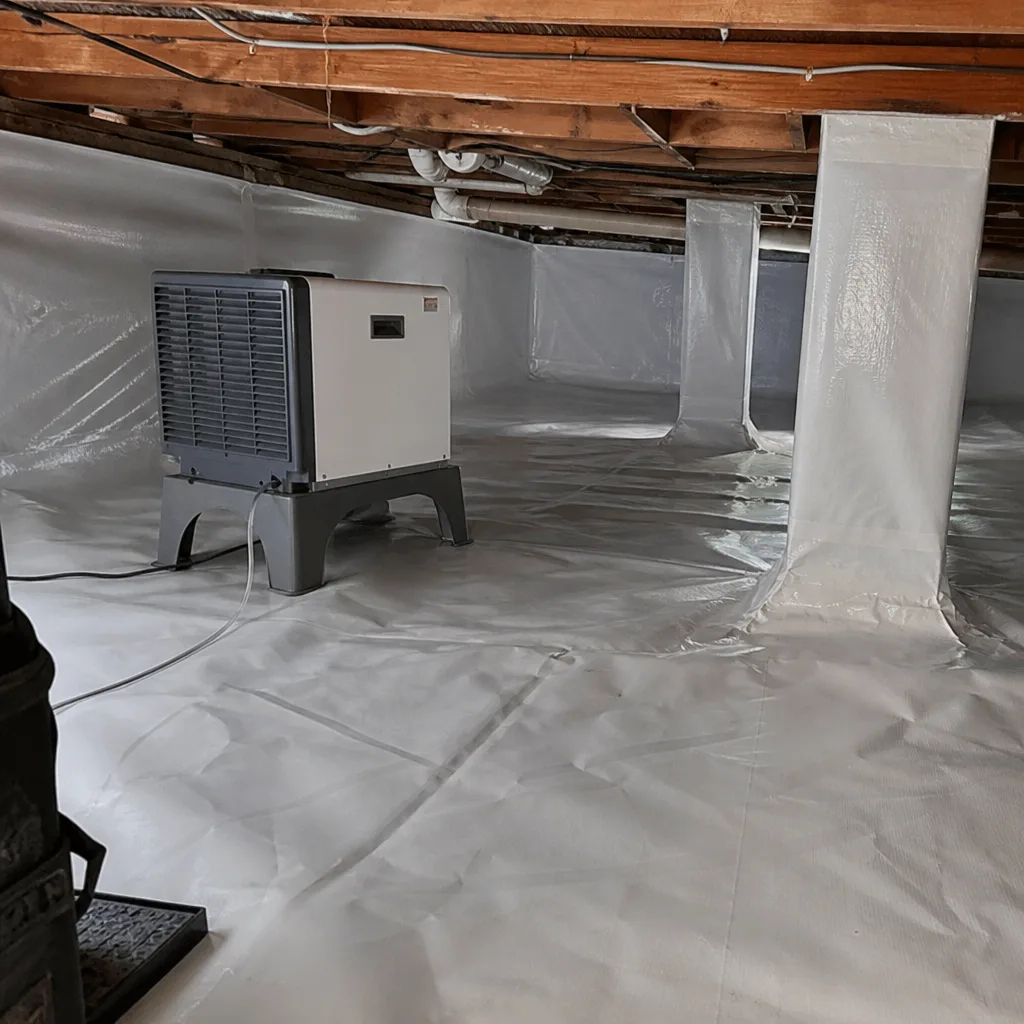
- Second-floor rooms run 8-12 degrees hotter than the thermostat setting. This happens when the radiant barrier was installed with gaps or wrinkles that let infrared radiation pass through, or when GreenFiber cellulose underneath has settled and left thermal bridges at the ceiling joists.
- AC compressor cycles continuously from 2 PM to 8 PM in July and August. The radiant barrier isn’t reflecting solar heat back out of the attic, so your ductwork and ceiling plane are being heated by radiation even as the air handler tries to compensate.
- Dust accumulation on the reflective surface has dulled it to gray or black. GreenFiber cellulose produces fine particulate over time; if the barrier was installed on the attic floor without adequate clearance, cellulose dust settles on the reflective face and destroys its emissivity, the measure of how well it reflects radiant heat.
- Visible sagging or tearing at staple points, especially near the attic hatch. Lancaster’s dry heat and temperature swings, 40 degrees at night to 130 in the attic by afternoon, cause thermal expansion that pulls staples through thin barrier material installed without proper strapping.
- Energy bills spike in summer despite no change in thermostat setting. We document this with before-and-after blower-door numbers on every job, a pressurization reading that shows, in one number, how much conditioned air your building envelope is losing.
Replacement Cost & What’s Included
Most GreenFiber radiant barrier installations in Lancaster run $1,800 to $3,400 for a typical 1,200 to 2,400 square foot attic footprint. The low end covers a truss-mounted barrier in a clean attic with good access; the high end includes moving existing GreenFiber cellulose, air sealing top plates and can lights first, then reinstalling insulation and adding the barrier. We don’t blow insulation over an unsealed attic floor. Seal the gaps first. Then insulate. The R-value you paid for is only as good as the air barrier behind it.
Every job includes a Written Price Before Any Work Starts, always, Haven Standard Clause 1, plus a Documented Photo Record showing the attic before, the air sealing work, and the completed barrier installation. On applicable jobs, you get before-and-after blower-door readings so you can verify the performance change. The 365-Day Done Right Promise applies to all work. Materials are sourced from Owens Corning, Johns Manville, Knauf, Rockwool, CertainTeed, Icynene, Demilec, and GreenFiber, no proprietary product lock-in.
DIY or Call Us?
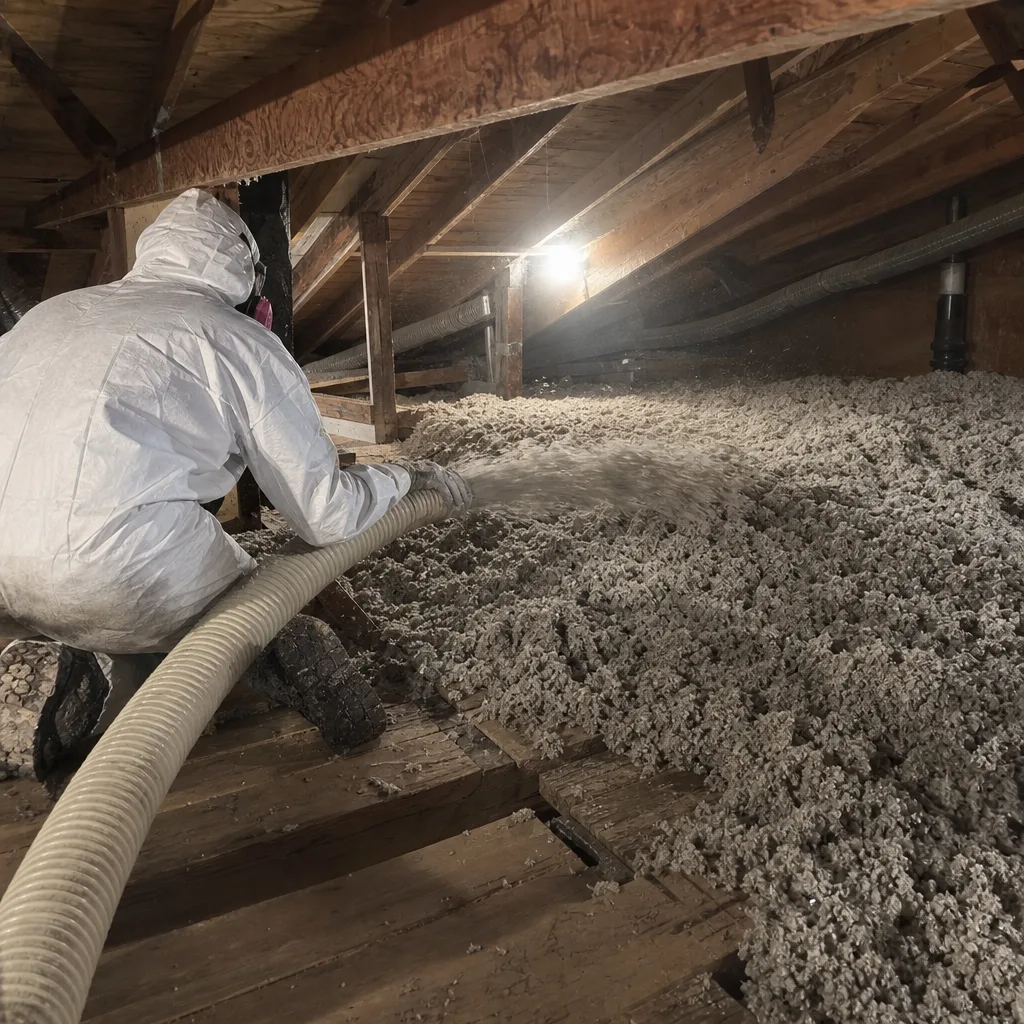
An owner can safely check attic access, measure square footage, and photograph the existing GreenFiber depth and any visible barrier condition. Do not attempt to install or replace radiant barrier material yourself if the work requires walking near the attic hatch perimeter, working around electrical junction boxes, or handling material within 3 inches of recessed can lights. Lancaster attics in summer are heat-stress environments; we’ve pulled homeowners out who started at 6 AM and were nauseous by 8:30.
Where DIY goes wrong: stapling barrier to the attic floor compresses GreenFiber cellulose and voids its thermal performance; gaps at seams and edges let radiation bypass the barrier entirely; and improper clearance around fixtures creates fire risk. Wes Okafor leads every job with a pre-install air-leak audit so the R-value on paper matches what you actually get. Call (661) 526-2890 for a free estimate and we’ll bring the right material spec for your GreenFiber assembly.
FAQs
A properly installed truss-mounted radiant barrier in a Lancaster attic lasts 15 to 25 years, though dust accumulation on the reflective surface can degrade performance after 10 years if the attic has frequent air leakage from below. Floor-mounted barriers over GreenFiber cellulose typically need inspection every 5 to 7 years because cellulose settling and foot traffic during service work cause compression and tearing. Call (661) 526-2890 for an exact assessment of your attic condition.
Small tears at staple points can be patched with matching reflective tape if the surrounding material is still taut and clean, but sagging, widespread dust contamination, or barrier installed with gaps exceeding 2 inches between sheets means full replacement. We don’t patch over systemic installation errors because the labor to do it right approaches the labor to start fresh. Call (661) 526-2890 for a free second opinion on any written estimate you’ve already received.
A typical Lancaster attic of 1,500 to 2,000 square feet takes one crew day, 6 to 8 hours, assuming air sealing is completed first and attic access is standard, a framed opening with pull-down stairs or a scuttle hole. Homes with multiple attic zones, vaulted ceilings, or limited hatch access may run into a second day. We text you when the crew is on the way and deliver your Documented Photo Record before we leave.
We stock reflective barrier rolls, strapping, and compatible fasteners for GreenFiber cellulose assemblies on every Lancaster service vehicle, and we can source specific widths or perforated products for moisture management within one business day. Topside Attic Insulation Lancaster is an independent service provider, not affiliated with GreenFiber, and we also stock parts for Reflectix systems. Call (661) 526-2890 to confirm same-day availability for your attic measurements.
Written by Wes Okafor, Owner & Lead Insulation Technician, Topside Attic Insulation Lancaster at Topside Attic Insulation Lancaster, serving Lancaster and nearby areas.