
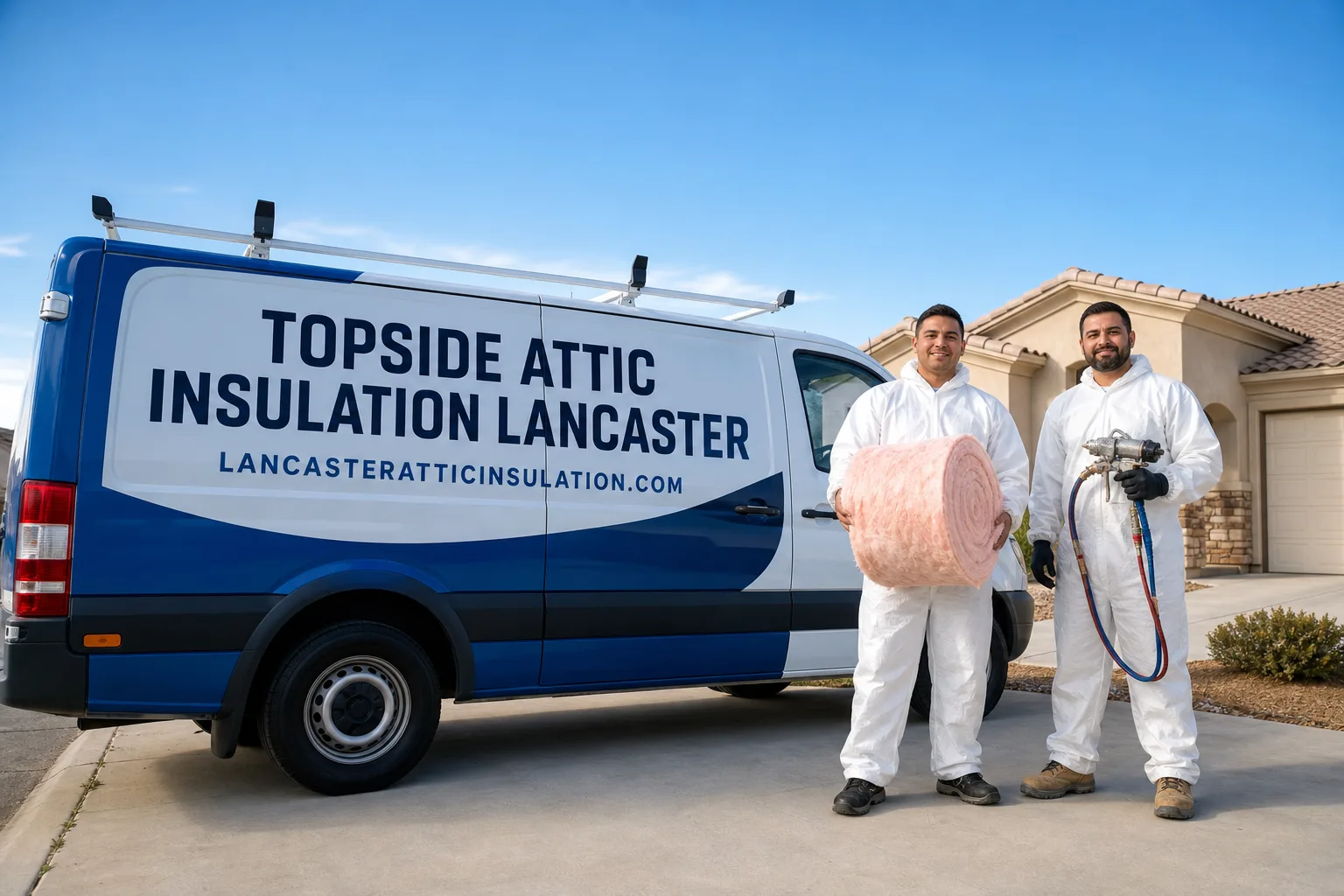
Fast, Reliable Attic Insulation Across Green Valley
Most attic insulation jobs in Green Valley run $2,800-$5,400 for a full retrofit, and we typically schedule within 3-5 business days. We’re familiar with the non-standard cabin framing and fire-rated material requirements that come with working in this mountain community. Call (661) 526-2890 for a written price before any work starts.
Green Valley’s elevation and housing stock set it apart from the Santa Clarita Valley floor below. We’ve worked on enough weekend-cabin conversions off Spunky Canyon Road and the surrounding Angeles National Forest corridor to know that a standard loose-fill rig and crew from the valley often stalls out on the first trip. Our Attic Insulation team arrives with batt cutters, blower-door gear, and the right materials for fire-rated zones - because we’ve measured the framing irregularities and the winter propane bills these homeowners face.
Why Topside Attic Insulation Lancaster Is Green Valley’s Preferred Attic Insulation Company
We’ve sealed and insulated over 9,000 homes since 2016, and a growing share of them are in the mountain communities above the Santa Clarita Valley. Green Valley homeowners find us through referrals from neighbors who’ve already been through the cabin-retrofit process - the ones who learned the hard way that a valley crew quoting loose-fill by the square foot doesn’t account for knob-and-tube era framing with no consistent rafter spacing.
Our reviews from Green Valley customers consistently mention the single-trip completion. That’s not luck. We send a technician ahead to photograph the attic access, measure framing spacing, and confirm material specs with the local building department’s fire-rated requirements. When the crew arrives, they arrive with what they need.
Response time to Green Valley is typically 3-5 days for standard scheduling, with same-week availability for homes with active heating emergencies - frozen pipes in the attic, or furnace cycling that won’t stop. Dispatch and scheduling are coordinated from our Los Angeles office, but crews serve Green Valley locally and know the mountain roads.
Local knowledge that matters here: we understand the difference between a cabin built in 1952 for October weekends and one retrofitted in 1987 for full-time use. The insulation spec changes. The vapor barrier detail changes. The ventilation prep changes. We don’t guess.
Our Attic Insulation Services in Green Valley
Attic Insulation Top-Up
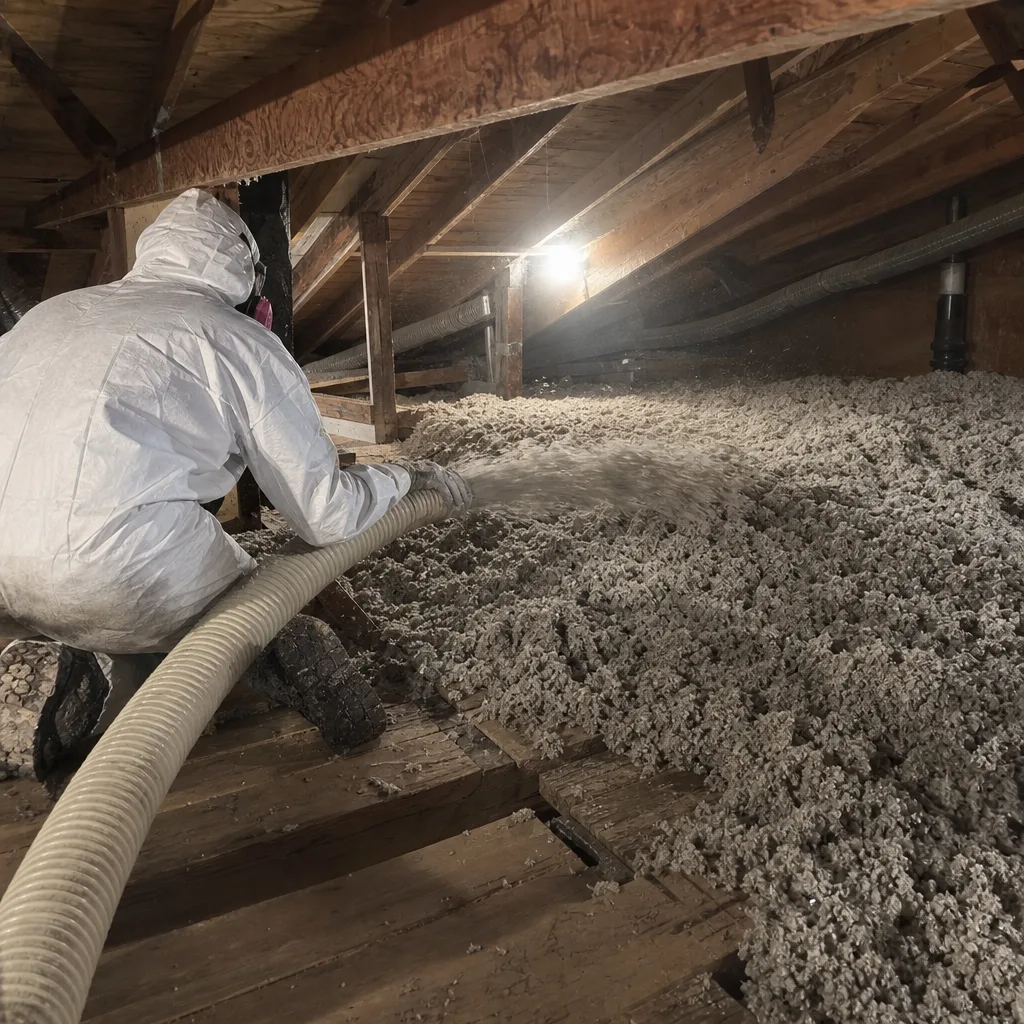
Many Green Valley cabins have some original insulation - rock wool or early fiberglass batts from the 1960s - but it’s compressed, displaced by rodents, or simply inadequate for year-round occupancy at 2,500-3,000 feet. A top-up adds blown GreenFiber cellulose or mineral wool over the existing layer, bringing the assembly to current R-value without full removal. We always air-seal top plates and can-light penetrations first. Haven Standard: written price before work starts, blower-door numbers if applicable, photo record when we leave.
Attic Baffles & Ventilation Prep
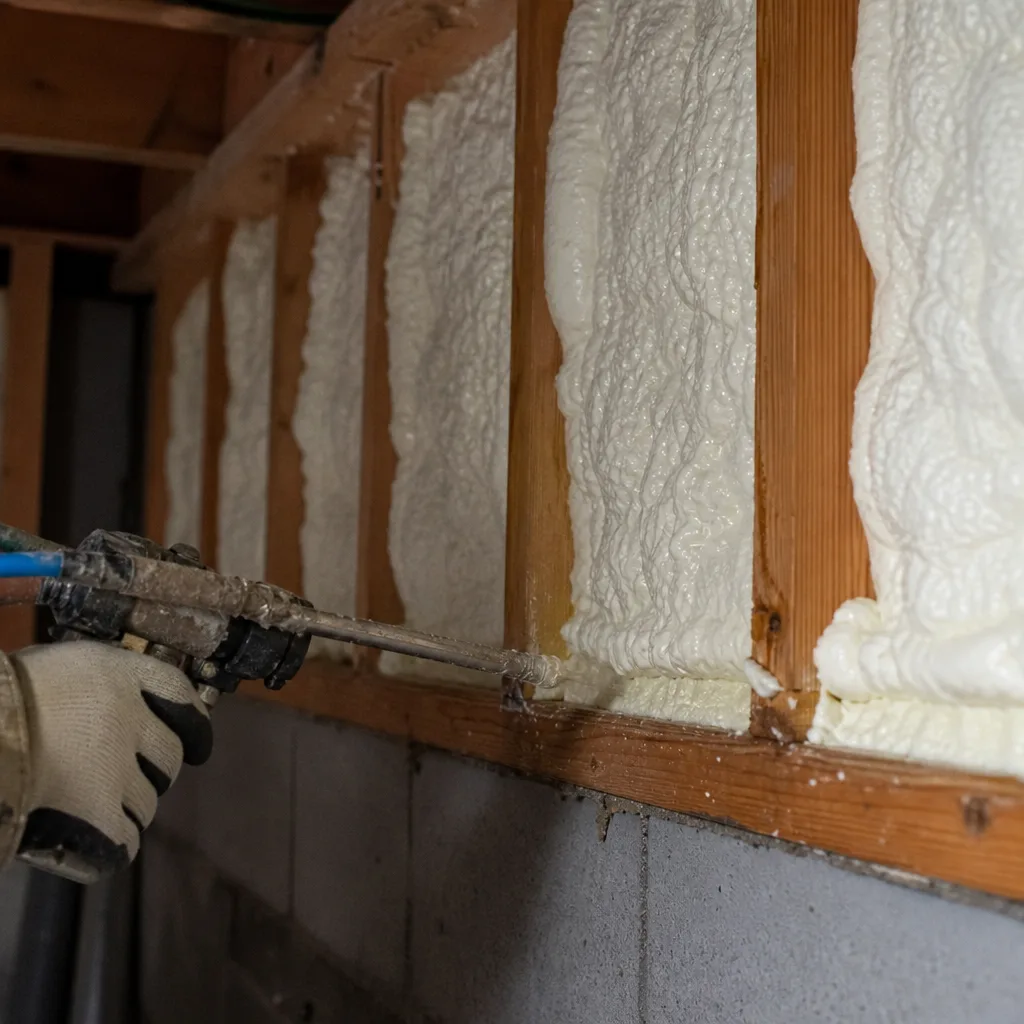
Low-pitch cabin roofs are common in Green Valley, and they’re the most likely to have eave vents that get buried by blown insulation. We install proper baffles - cardboard or foam channels that maintain airflow from soffit to ridge - before adding any new material. At this elevation, wide diurnal temperature swings mean an overheated attic in July and a moisture-trapping cold deck in January. Both problems trace back to the same blocked vent. We fix it before it starts.
Attic Batt Insulation
Non-standard framing demands batt work. On a 1958 weekend-cabin conversion off Spunky Canyon Road, our crew found the original open-joist attic with zero insulation and knob-and-tube era framing that had no consistent rafter spacing, so we cut and friction-fit Rockwool batts by hand, added baffles at the gable vents, and topped the whole assembly with GreenFiber cellulose to bring the cabin up to a year-round thermal envelope in a single trip. The homeowner had been burning through propane on winter nights that drop into the twenties at this elevation; after the retrofit the attic deck stayed noticeably warmer and the furnace cycled far less. Batt insulation by hand is slower. It’s also the only way to get full coverage on irregular framing without compression gaps.
Attic Insulation Replacement
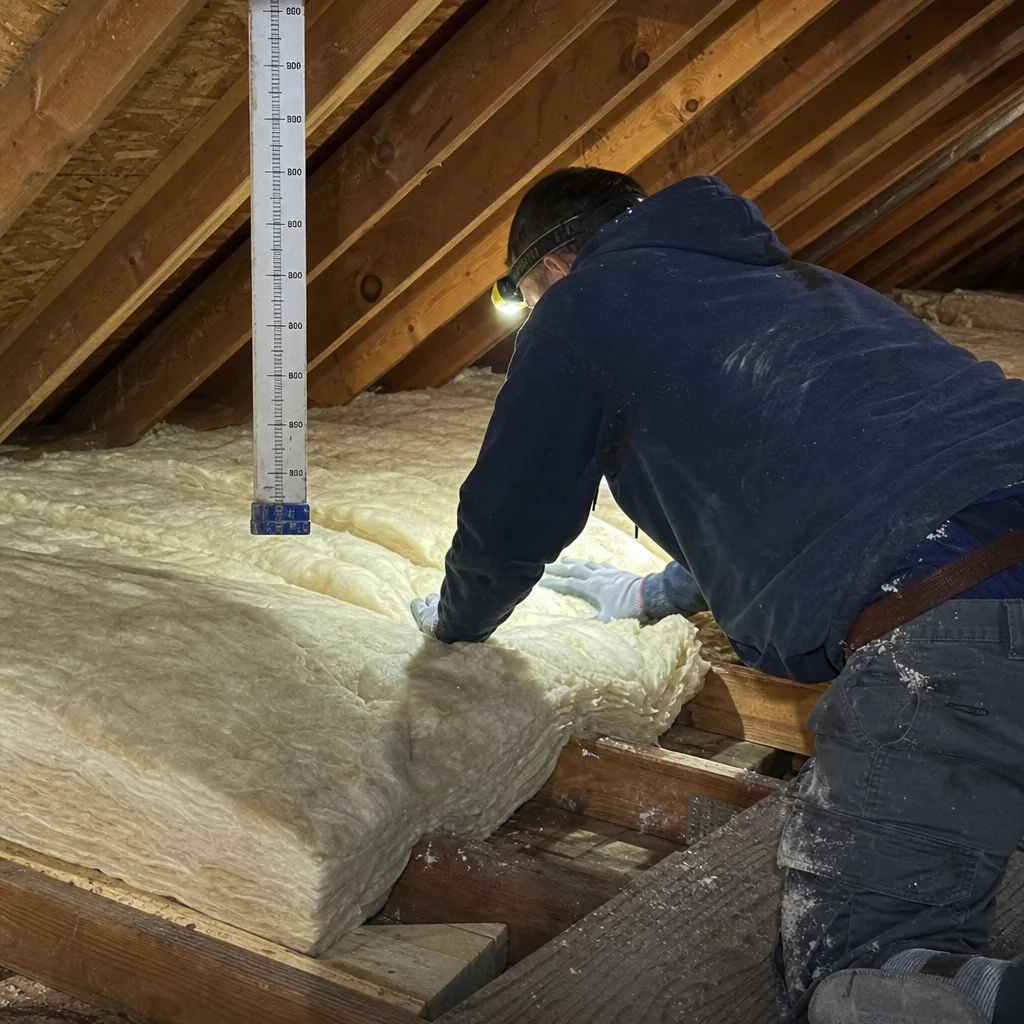
Full removal and replacement makes sense when the existing material is contaminated, water-damaged, or fire-code non-compliant. In Green Valley’s High Fire Hazard Severity Zone, we frequently remove standard combustible loose-fill and replace it with mineral wool or treated cellulose that meets local department expectations. The job includes a complete air-sealing pass, baffle installation, and documented photo record of the clean deck before new material goes in.
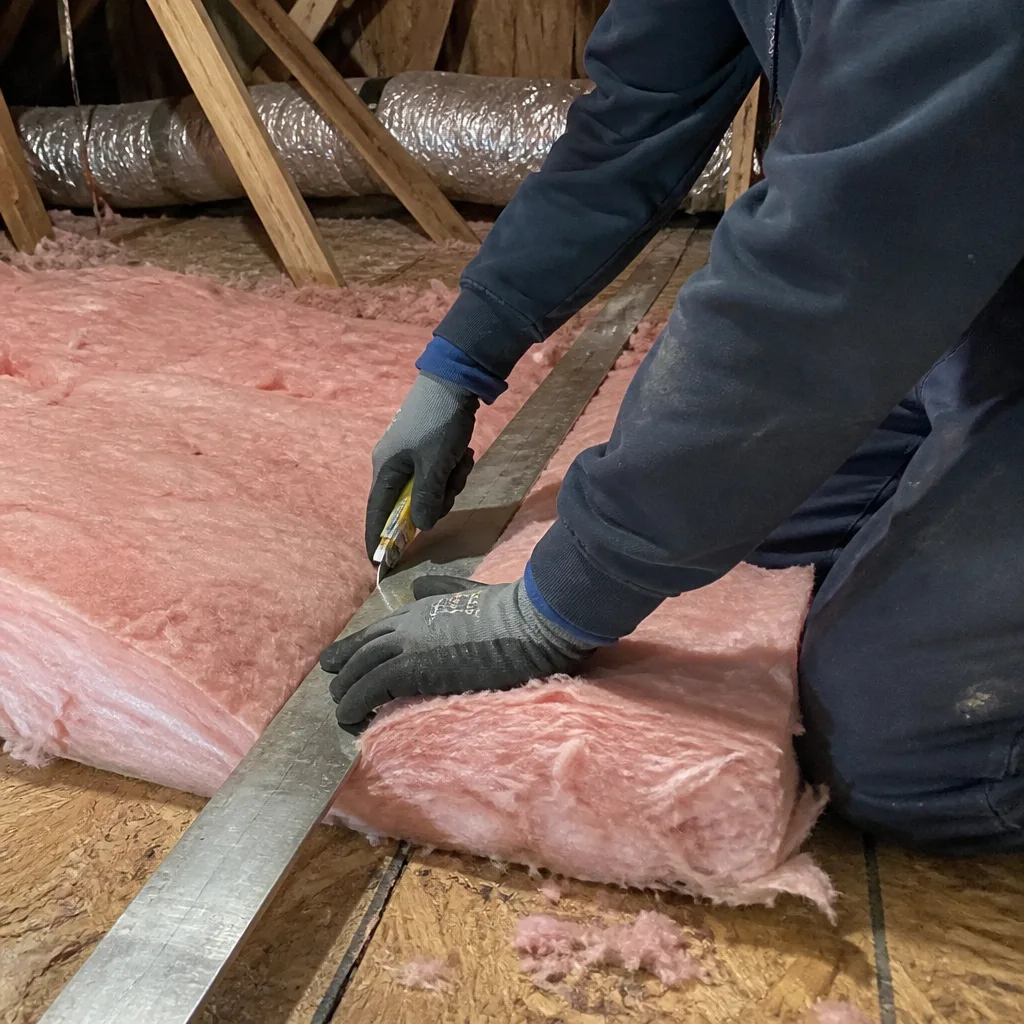
Blown-In Attic Insulation
We do run blown-in jobs in Green Valley - but only after confirming the attic is sealed, baffled, and framed to standard enough spacing that the hose doesn’t create voids. Blown Owens Corning fiberglass or GreenFiber cellulose works well on retrofitted cabins with consistent joist spacing. We never blow over an unsealed deck. That’s not upsell. That’s physics.
What happens when you call
- 1
A real person answersNo phone trees - you reach a local pro.
- 2
You get an upfront price rangeHonest numbers before anyone is dispatched.
- 3
A background-checked tech heads outLicensed & insured, dispatched right away.
- 4
You approve before work beginsNothing starts until you say go.
Trusted Brands We Service in Green Valley
We stock and install Owens Corning fiberglass, Johns Manville mineral wool, and GreenFiber treated cellulose - the three material families most relevant to Green Valley’s fire-rated requirements and irregular framing conditions. No proprietary lock-in. If your cabin’s spec calls for Knauf batts because of a specific rafter spacing, we source them. Local material availability is confirmed before the crew loads the truck, so we’re not driving back to the valley mid-job.
Common Attic Insulation Problems We See in Green Valley Homes
- Standard valley crews stalling on non-standard framing. A loose-fill rig needs consistent joist spacing to achieve uniform density. Many Green Valley cabins built from the 1940s through 1970s have irregular rafter spacing, no vapor barrier, and unexpected penetrations. The job stalls. Needs a second trip. Costs more.
- Combustible insulation in a High Fire Hazard Severity Zone. Standard loose-fill fiberglass or cellulose without fire-rated treatment can fail local building department expectations and create a liability problem on resale. We specify mineral wool or treated cellulose on almost every Green Valley job.
- Blocked ventilation on low-pitch cabin roofs. Blown insulation without baffles fills eave vents. At Green Valley’s elevation, this means summer attic overheating and winter moisture accumulation - both failures visible in the same year because of the wide temperature swing.
- Weekend-cabin construction never intended for full-time thermal performance. Original builders didn’t design for R-38 assemblies or continuous air barriers. Retrofitting these structures means adding what was never there: sealing, baffling, and enough insulation to handle twenties on winter nights.
Pricing for Attic Insulation in Green Valley, CA
Here’s what most jobs in this market actually cost:
| Service | Typical Range in Green Valley |
|---|---|
| Attic Insulation Top-Up (existing adequate substrate) | $1,800 - $3,200 |
| Attic Batt Insulation (hand-cut, irregular framing) | $2,800 - $4,600 |
| Attic Insulation Replacement (full removal, fire-rated material) | $4,200 - $6,800 |
| Attic Baffles & Ventilation Prep (standalone or add-on) | $600 - $1,400 |
| Blown-In Attic Insulation (standard framing, sealed deck) | $2,200 - $3,800 |
Green Valley jobs tend toward the higher end of these ranges for two reasons: hand-cut batt work on irregular framing takes more labor, and fire-rated materials cost more per square foot than standard loose-fill. We don’t markup for mountain travel. What we quote is what you pay. Written price before any work starts, always - Haven Standard Clause 1. Bring us a competing quote and we’ll read it with you; our Free Second Opinion applies to any written estimate.
We Also Serve Cities Near Green Valley
Our crews work throughout the northern Los Angeles County mountain and valley corridor. If you’re in Green Valley, Lancaster, Quartz Hill, Desert View Highlands, or Palmdale, the same scheduling, material specs, and documentation standards apply. Mountain jobs get the same written price guarantee as valley jobs.
Serving Green Valley, CA - Our Local Coverage Area
We’re based in the Green Valley area and know this community well. Use the map below to see our service coverage - if you’re nearby, we can almost certainly help.
FAQs - Attic Insulation in Green Valley
Yes. Green Valley sits in a designated High Fire Hazard Severity Zone, so local building departments and informed contractors routinely specify fire-rated or non-combustible insulation materials - mineral wool or treated cellulose rather than standard loose-fill. This is a material conversation that essentially never happens on Santa Clarita Valley floor jobs a few miles downhill. Call (661) 526-2890 and we’ll confirm the spec for your specific address.
Yes, and this describes a large share of Green Valley’s housing stock. We retrofit recreational-era construction for year-round thermal performance by adding air sealing, proper ventilation, and insulation that wasn’t originally specified. The framing is often non-standard and the access is sometimes tight, but we’ve completed enough of these to know what to bring. Written price before work starts, photo record when we leave.
Often no. Many cabins have irregular rafter spacing that prevents uniform blown-in density, which creates voids and compression spots. We assess framing consistency during our pre-job site visit. When the spacing is non-standard, we spec hand-cut batts instead. One trip, done right, with the right material.
Yes. At 2,500-3,000 feet, Green Valley experiences genuine freezing winters, potential snow, and wide diurnal temperature swings that valley floors do not. This creates acute dual heating-and-cooling demand. We typically spec higher R-values and tighter air sealing than comparable square footage in Lancaster or Palmdale. The blower-door test - a pressurization reading that shows, in one number, how much air your building envelope is losing - tells us whether we’ve hit the target.
We install baffles at every eave vent before adding insulation. Low-pitch cabin roofs are especially prone to blocked airflow because there’s less vertical space for air to move. Without baffles, blown or batt insulation presses against the underside of the roof deck and stops convection. In Green Valley’s climate, that means summer overheating and winter moisture accumulation. We fix it during the insulation job, not as a callback.
Written by Wes Okafor, Owner at Topside Attic Insulation Lancaster, serving Green Valley since 2016.