
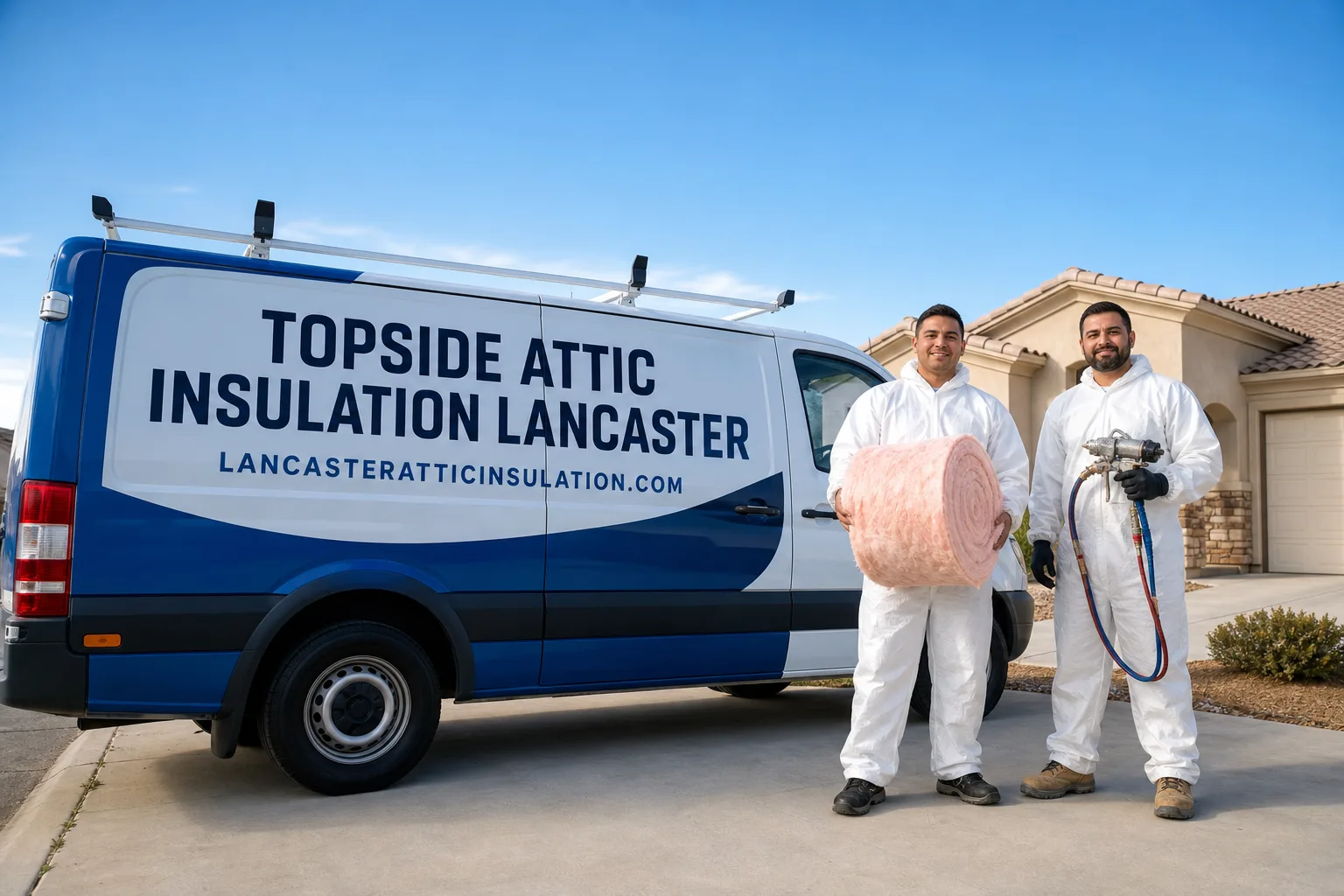
Fast, Reliable Blown-In Insulation Across Leona Valley
Blown-in insulation in Leona Valley typically costs between $1.80 and $3.20 per square foot of attic floor, with most complete attic jobs running $2,400-$5,800 and dense-pack wall work adding another $1,200-$3,400 depending on the home’s footprint. We’re usually on-site in Leona Valley within 24-48 hours of your call, and same-day starts are common for attic top-ups once the written price is approved. Call (661) 526-2890 for a free estimate with flat pricing before any work begins.
We’ve worked on enough Leona Valley homes to know the pattern: a 1970s ranch off Elizabeth Lake Road, a horse property near Bouquet Canyon, an original farmhouse closer to the valley floor. The elevation here, roughly 3,200 feet between the Antelope and Santa Clarita valleys, creates a thermal stress that lower-elevation contractors rarely encounter. Hard-freeze winters with measurable snow. Summer attic temperatures past 140°F. That 100°F seasonal swing degrades insulation faster than anything you’ll see in Palmdale or Lancaster below. Our crews are dispatched from the Los Angeles office but serve Leona Valley locally, and we carry the blower-door and dense-pack equipment needed for the valley’s older, leakier building stock.
Why Topside Attic Insulation Lancaster Is Leona Valley’s Preferred Blown-In Insulation Company
Our reputation in Leona Valley was built on documented results, not slogans. Homeowners here read reviews carefully, so we’ll be direct: our Leona Valley customers consistently cite the before-and-after blower-door numbers we publish, the photo records they receive, and the written price that never shifts once set. We’ve completed blown-in and air-sealing work across the valley’s ranch neighborhoods, horse properties, and rural acreage lots, and we understand how propane heating economics change the payback calculation for insulation upgrades.
Response time matters when your furnace is short-cycling through a February freeze or your pipes are at risk. We answer calls live, 24/7, and schedule Leona Valley jobs with local crew availability in mind. The drive from our dispatch point to Elizabeth Lake Road or Bouquet Canyon is factored into our scheduling, not treated as an afterthought.
What separates us is sequencing. We don’t blow insulation over an unsealed attic floor. Ever. Air sealing of top plates, can light housings, and plumbing/electrical penetrations comes first. Then we insulate. That sequence matters more in Leona Valley than almost anywhere we work, because an unsealed attic with fresh blown-in on top simply hides the leaks that are costing you propane.
Our Blown-In Insulation Services in Leona Valley
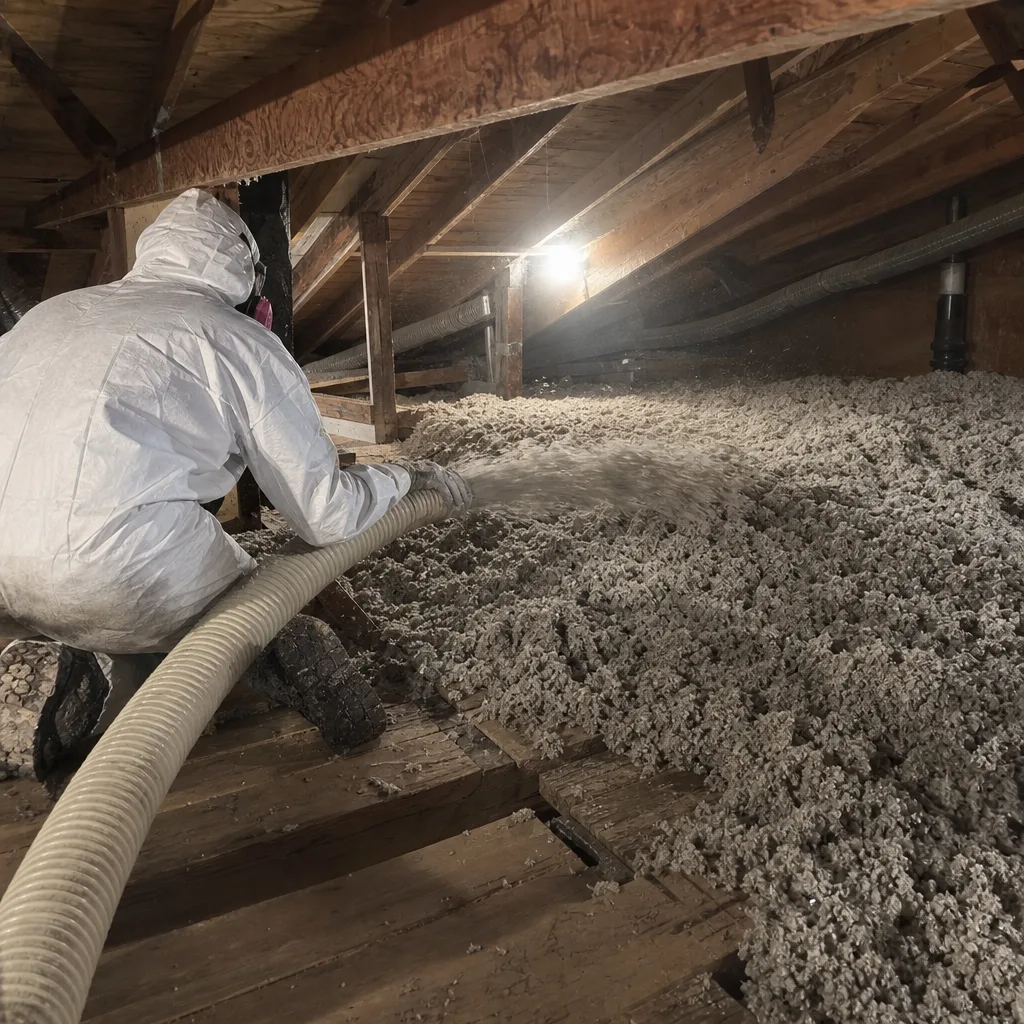
Blown-In Cellulose
We use GreenFiber cellulose for most Leona Valley attic jobs, blown to depth for R-38 or higher in flat ceilings. Cellulose handles the valley’s temperature swings better than fiberglass batts because it fills irregular joist bays and top-plate gaps that open and close with seasonal wood movement. On propane-heated homes, the tighter coverage translates directly to fewer winter fill-ups. We air-seal first, then blow, then verify with a blower-door test.
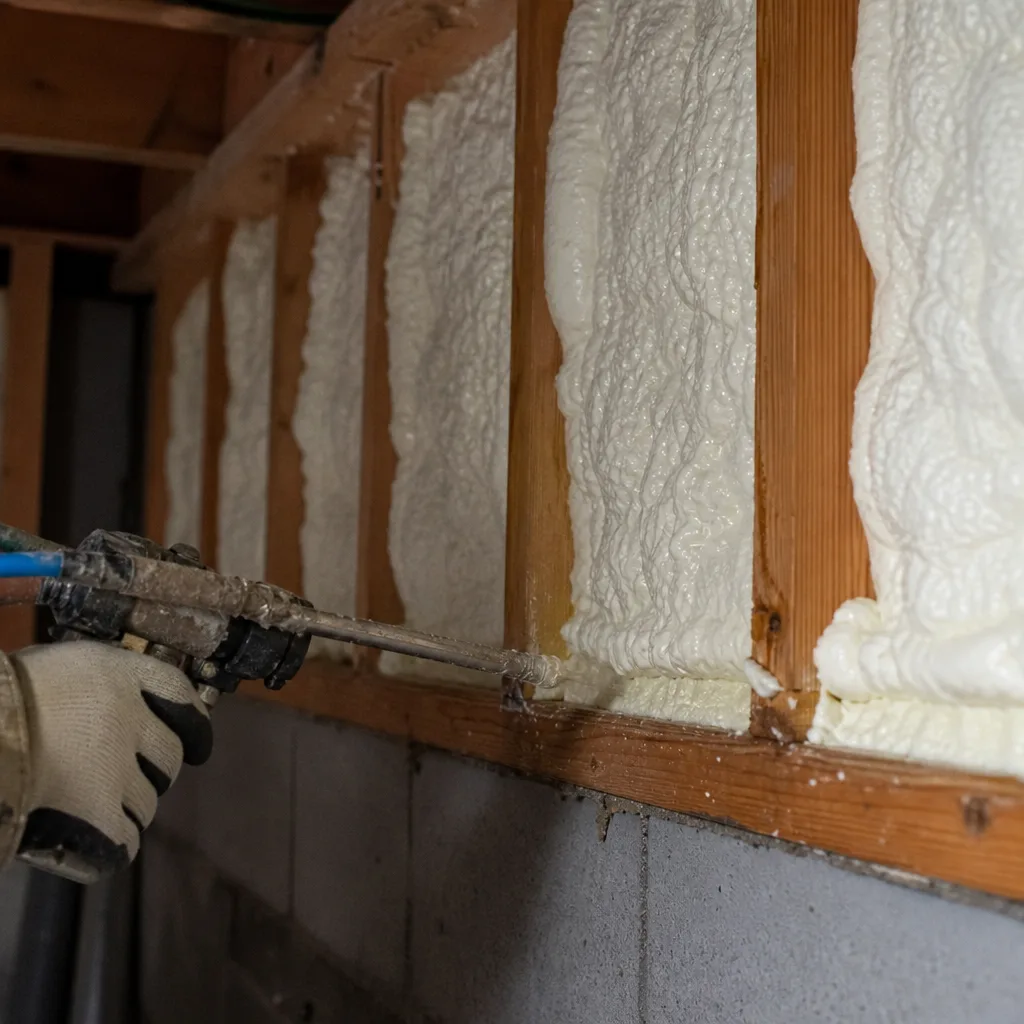
Blown-In Fiberglass
For homeowners who prefer fiberglass, we stock Owens Corning and Johns Manville loose-fill products. Fiberglass works well in Leona Valley’s vented attics when paired with thorough air sealing, and it’s the right choice for some top-up scenarios where existing cellulose is already performing and we’re adding volume. We don’t push one material over another; we specify based on your attic’s condition, your budget, and the performance target.
Dense-Pack Wall Insulation
This is where we add the most value in Leona Valley’s 1960s-1990s housing stock. Most ranch homes and farmhouses here were built with empty 2×4 wall cavities, or with minimal batt that has settled or degraded. Dense-packing those walls with GreenFiber cellulose, blown at 3.5 pounds per cubic foot, creates a continuous thermal barrier without tearing out drywall. We access through exterior siding or from the attic, depending on the home’s configuration. For original farmhouses with board-and-batten or shiplap siding, we adjust our access strategy to preserve the exterior character.
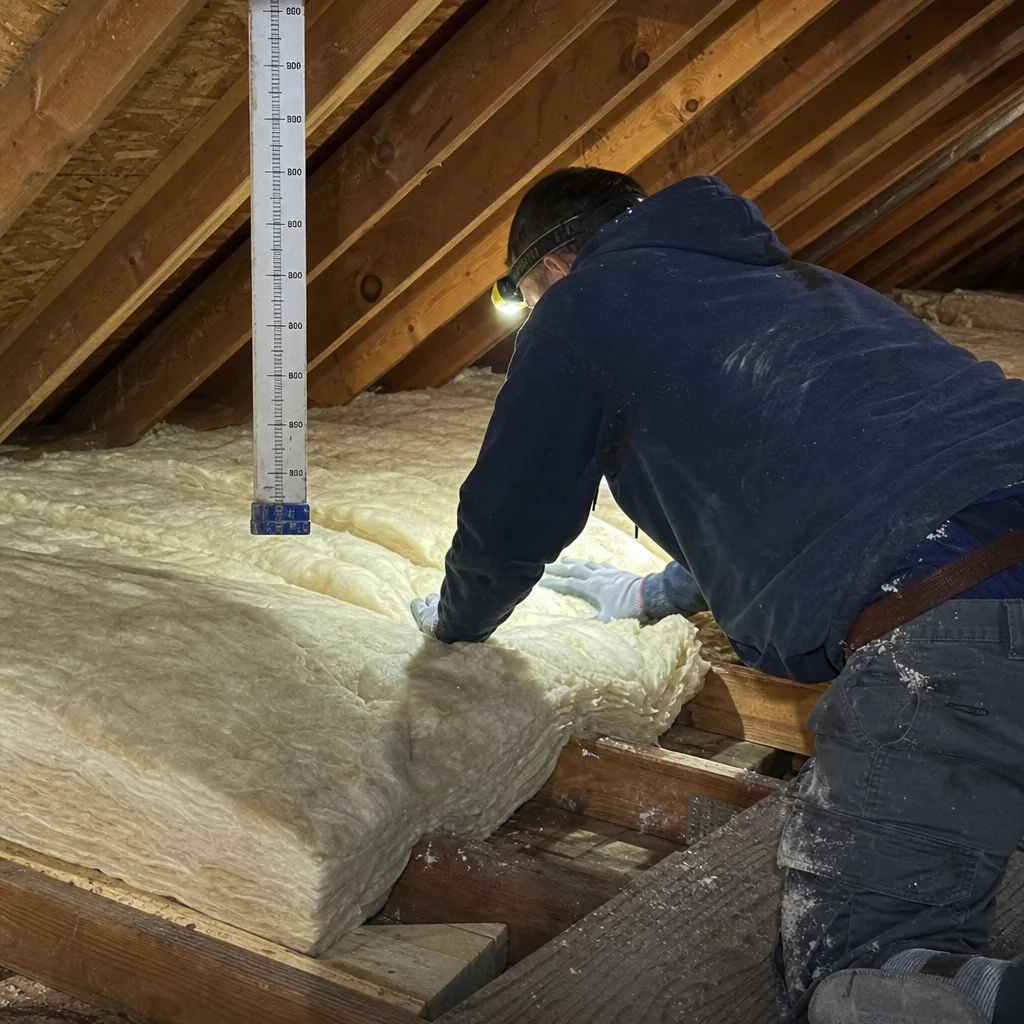
Blown-In Top-Up
The most common call we get in Leona Valley: “My attic has some insulation, but I don’t know if it’s enough.” We assess what’s there, photograph it for your record, and air-seal the bypasses that have opened over decades of thermal cycling. Then we blow a top-up layer to bring the assembly to current performance levels. We never blow over unsealed leaks. That’s not a selling point; it’s a hard rule under The Haven Standard.
What happens when you call
- 1
A real person answersNo phone trees - you reach a local pro.
- 2
You get an upfront price rangeHonest numbers before anyone is dispatched.
- 3
A background-checked tech heads outLicensed & insured, dispatched right away.
- 4
You approve before work beginsNothing starts until you say go.
Trusted Brands We Service in Leona Valley
We source materials from Owens Corning, Johns Manville, Knauf, and Rockwool, among others, and we don’t lock you into proprietary products. For Leona Valley jobs, we stock GreenFiber cellulose and Owens Corning fiberglass loose-fill locally so we’re not waiting on delivery when your propane tank is running low in January. If you have a preference based on prior experience or a manufacturer’s specification, we’ll source it and adjust the written price accordingly. No surprises, no substitutions without your approval.
Common Blown-In Insulation Problems We See in Leona Valley Homes
- Collapsed mineral wool batts in low-slope ranch attics. The original insulation in 1960s-1980s Leona Valley homes was often mineral wool or early fiberglass batts rated for milder climates. After decades of hard-freeze and 90°F+ swings, these batts compress to half their original thickness or less, separating from top plates and leaving thermal bypasses that a simple top-up won’t fix without air sealing first.
- Uninsulated floor systems over crawlspaces in original farmhouses. Cold air reaches supply and drain lines through unsealed crawlspace perimeters, and Leona Valley’s below-freezing nights will freeze pipes that flatland homes never worry about. Dense-pack or batt insulation in the floor joists, paired with crawlspace air sealing, is the fix we specify most often for these properties.
- Detached garages and workshops undermining whole-house performance. On acreage lots throughout Leona Valley, barns and workshops share wall assemblies or attic air paths with the main home. We evaluate the whole property, not just the house, because insulating the main attic while leaving a 2,000-square-foot workshop unsealed is incomplete work.
- Recessed can lights and chimney chases as major leakage points. The combination of dry winter air and summer radiant heat causes caulk and foam sealants to degrade faster at 3,200 feet. We find failed seals around can housings and chimney chases on nearly every older Leona Valley home we inspect, and we reseal with fire-rated materials before any insulation goes in.
Pricing for Blown-In Insulation in Leona Valley, CA
Here’s what blown-in insulation costs in Leona Valley’s current market, based on jobs we’ve written prices for in the last 18 months:
| Service | Typical Range |
|---|---|
| Attic blown-in cellulose top-up (air-sealed, R-38) | $2,400 - $4,200 |
| Complete attic replacement with air sealing (R-38 to R-49) | $4,200 - $7,800 |
| Dense-pack wall insulation (per 1,000 sq ft of wall) | $1,200 - $2,800 |
| Blown-in fiberglass top-up | $2,200 - $3,800 |
| Crawlspace floor insulation with vapor barrier | $1,800 - $3,600 |
What moves the price: attic accessibility (steep roof pitch or limited hatch size), the extent of air sealing required, whether existing insulation must be removed rather than topped, and the square footage of wall cavity to be dense-packed. We don’t guess. We inspect, measure, and deliver a written price before any work starts. Haven Standard Clause 1. Free estimates, free second opinions on competing quotes. Call (661) 526-2890.
We Also Serve Cities Near Leona Valley
Our crews work throughout the Antelope Valley and surrounding communities. We provide Blown-In Insulation to homeowners in Lancaster, Quartz Hill, Desert View Highlands, and Palmdale, with the same written-price guarantee and documented photo record on every job. If you’re on the edge of Leona Valley near the Palmdale or Lancaster line, we’ll confirm your service area when you call and schedule accordingly.
Serving Leona Valley, CA - Our Local Coverage Area
We’re based in the Leona Valley area and know this community well. Use the map below to see our service coverage - if you’re nearby, we can almost certainly help.
FAQs - Blown-In Insulation in Leona Valley
Yes. Leona Valley’s overnight winter temperatures drop well below freezing with periodic snow, so we pay particular attention to floor-system insulation over crawlspaces and to pipe-adjacent cavities that Palmdale homes rarely need. We also size the insulation depth for heating-season performance, not just summer cooling, because propane-fired furnaces run hard here for months. The air-sealing phase is more extensive for this reason. Call (661) 526-2890 and we’ll walk through your home’s specific risk points.
We can give you a directional estimate based on your tank size, furnace efficiency, and the blower-door reduction we achieve. A typical 1980s ranch on a 500-gallon propane tank, with attic and wall leakage sealed and blown-in added to R-38, often sees winter fill-ups drop by 20-35% depending on thermostat habits. We don’t promise exact dollar savings, but we do document the air-leakage reduction in CFM50 so you can verify the performance change. Written price before work starts, documented record when we leave.
We inspect first. If the batts are compressed below R-10, contaminated, or blocking proper ventilation, we remove them and start fresh with air sealing and blown-in cellulose. If they’re merely thin and still structurally intact, we may air-seal over them and blow a cellulose top-up to reach R-38. We photograph the condition before we decide and show you the images. No work starts without your written approval of the scope.
In most cases, yes. We access wall cavities through exterior siding, from the attic down into top plates, or through minimal interior patching at electrical outlet locations. For farmhouses with board-and-batten or shiplap exteriors, we remove a few boards, dense-pack the bays, and reinstall the siding to match. The technique varies by wall construction, and we specify the access method in your written scope before any holes are made.
It depends on whether those structures share air paths with the main home. We evaluate the whole property during our inspection. If the workshop attic connects to the house attic, or if a shared wall assembly leaks between buildings, we’ll recommend sealing those junctions as part of the house work. Insulating the house while ignoring a 2,000-square-foot unsealed workshop is incomplete, and we don’t do incomplete work. The written scope will specify what’s included and what isn’t.
Written by Wes Okafor, Owner at Topside Attic Insulation Lancaster, serving Leona Valley since 2016.