
Icynene Radiant Barrier Installation: The Lancaster Owner’s Guide
We stock and install Icynene-compatible radiant barrier systems for Lancaster homes, with most attic installations running between $1,800 and $3,400 depending on square footage and whether your attic floor needs air sealing first. Same-day installation is available when we have your measurements, and we carry Icynene-approved radiant barrier rolls and attachment hardware on every truck. Homeowners usually discover their radiant barrier is failing when upstairs rooms won’t cool below 78°F even after sunset, or when they spot torn, dusty, or sagging foil sheets during a ductwork check.
Which Icynene Models This Applies To
Icynene doesn’t manufacture standalone radiant barrier products under its own label. Instead, the brand’s open-cell and closed-cell spray foam systems, specifically the Classic Plus (LD-C-50) and ProSeal (MD-R-200) series, are frequently paired with radiant barrier foil in hybrid attic assemblies across Lancaster’s 2015-2023 build stock. The critical compatibility point is substrate adhesion: Icynene’s open-cell foam requires a radiant barrier with a perforated, kraft-paper backing rated for contact with water-blown foam chemistry. Standard polyethylene-faced radiant barrier, the kind sold in big-box rolls, can off-gas and delaminate when installed directly against Icynene Classic Plus.
To identify what you’re working with, check the attic for a yellow-tinted foam tag (Icynene labels every job with a batch sticker showing the install date and product series). Measure your existing radiant barrier: Icynene-compatible rolls run 48 inches wide for truss spacing, while retrofit patches often need 24-inch strips for cathedral ceiling bays. We source our foil from the same distributors that supply Icynene-certified contractors, no proprietary lock-in required. Topside Attic Insulation Lancaster is an independent service provider, not affiliated with Icynene, and we also stock Reflectix products for homeowners with mixed insulation systems.
Signs Your Icynene Radiant Barrier Installation Is Failing
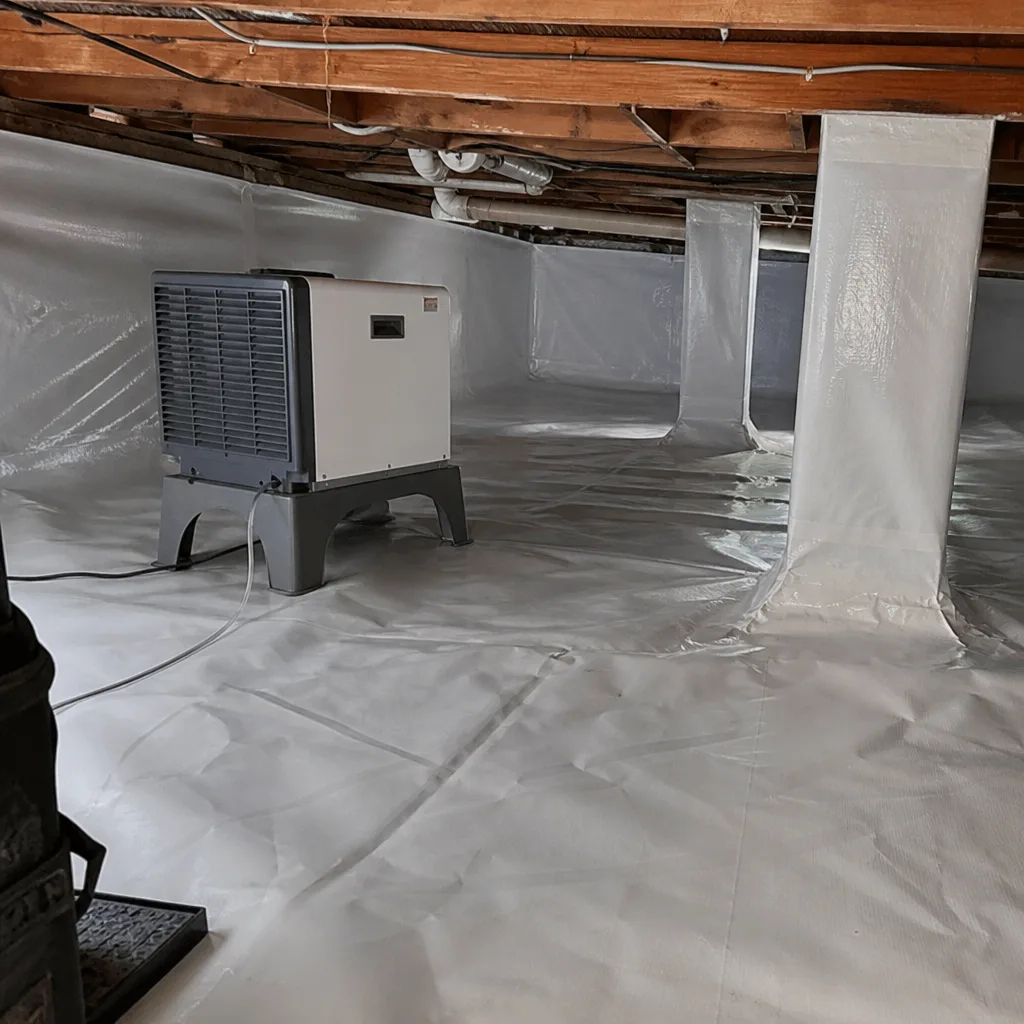
- Hot second-floor ceilings past 9 p.m. In Lancaster, a properly installed radiant barrier should drop ceiling surface temperatures by 20-30°F within two hours of sunset. If your upstairs walls still radiate heat into the night, the foil has likely torn along truss chords or pulled away from the Icynene substrate, creating thermal bypasses where infrared energy passes straight through.
- Dust accumulation on the foil face. Radiant barrier only works when the reflective surface stays clean. Lancaster’s Santa Ana winds pull fine Mojave dust through ridge vent gaps, and once a dust layer exceeds 0.5 grams per square foot, emissivity drops below 0.05 and the foil becomes a conductor, not a reflector. This is the most common “failure” we see in 8-10 year old installs.
- Sagging or drooping between trusses. Icynene-compatible radiant barrier is stapled to the underside of roof decking with specific crown-staple spacing (12 inches on center per manufacturer spec). When installers skip the perimeter tensioning or use standard insulation staples instead of wide-crown fasteners, gravity and summer heat cycling cause the foil to belly down, creating air gaps that trap moisture against the foam.
- Visible mold spots on the Icynene foam surface. This indicates a vapor-drive mismatch. Icynene open-cell is vapor-permeable; pairing it with a non-perforated radiant barrier in Lancaster’s dry climate can still create localized condensation at the foam-to-foil interface during winter temperature inversions. The fix isn’t replacing the foam, it’s swapping to perforated barrier with proper edge venting.
- Energy bills climbing year-over-year with no rate change. We compare this to the blower-door baseline. If your home tested at 2,800 CFM50 after original construction and your bills are up 15% despite identical thermostat settings, degraded radiant barrier emissivity is often the hidden variable, especially in west-facing Lancaster roofs that see 180+ days of direct solar load.
Replacement Cost & What’s Included
Most Icynene-compatible radiant barrier replacements in Lancaster run $1,800-$3,400 for a complete attic re-sheet, with smaller patch repairs starting at $680 for localized tear replacement in a 1,200 square foot footprint. The price spread comes down to three factors: whether we need to remove and re-staple existing Icynene foam to get clean substrate contact, how much of the attic floor needs air sealing before we hang new foil (we won’t install radiant barrier over an unsealed attic floor; the conditioned air you’re trying to keep will leak out faster than the barrier can reflect heat back), and roof pitch, since Lancaster’s 12:12 pitch custom homes in the Anaverde area require harness work and add labor time.
Every replacement includes the perforated radiant barrier roll, wide-crown staples at proper spacing, perimeter tensioning strips, and a post-install blower-door test if your original job predates 2020. Under our 365-Day Done Right Promise, if emissivity readings don’t hit spec, we come back and correct it. Written price before any work starts, always. Haven Standard Clause 1.
DIY or Call Us?
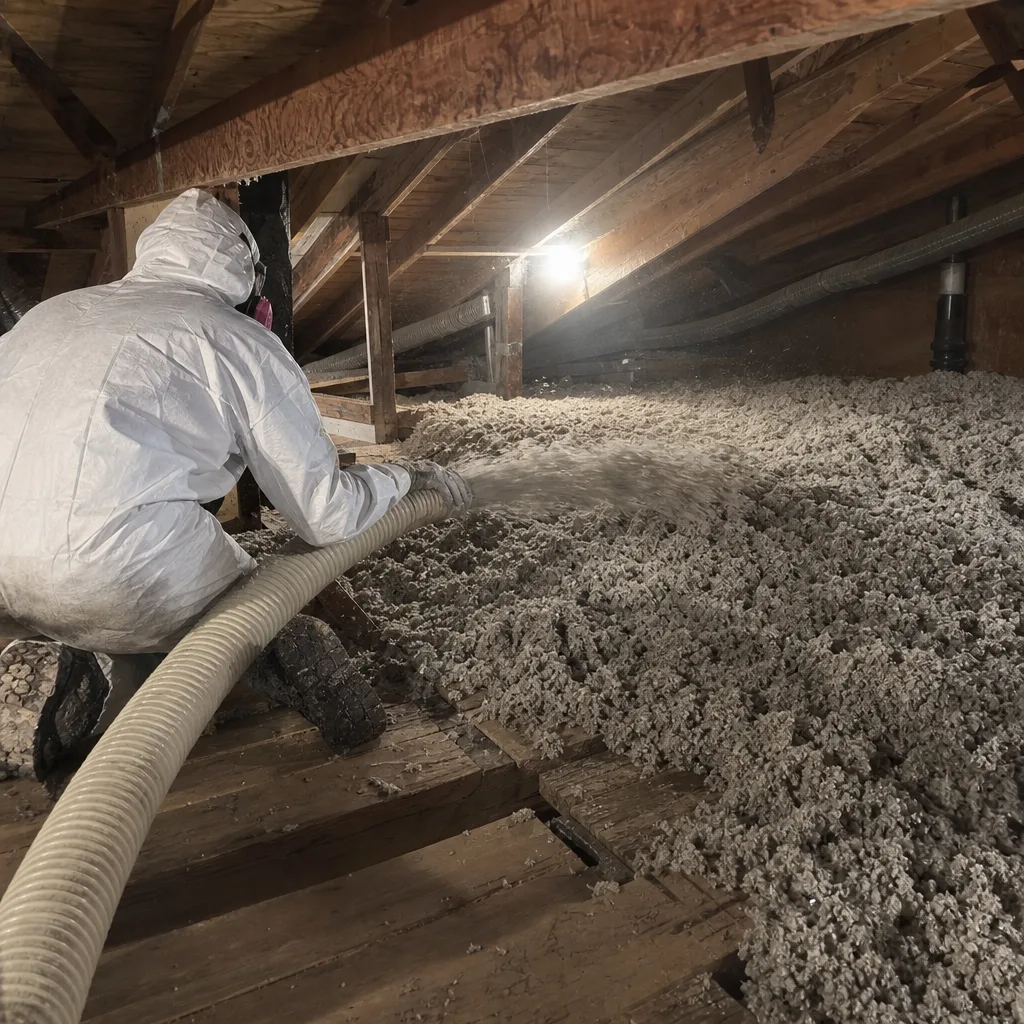
There’s one thing a homeowner can safely check: the yellow Icynene batch tag. If you can read the product series and install date, you’ve done the hardest part of diagnosis. Everything after that gets technical fast. Radiant barrier installation in a Lancaster attic means working at height on joists spaced 24 inches apart, often in 130°F summer temperatures, with the added complication that Icynene foam can be damaged by improper staple pressure. Too shallow and the foil flaps; too deep and you compress the foam’s surface cell structure, creating a thermal bridge.
We don’t recommend DIY for full replacement. The safety risks are real, and the performance penalty for getting staple spacing or vapor permeability wrong is invisible until your next summer electric bill arrives. Call (661) 526-2890 and we’ll walk through your attic type over the phone, then schedule a free estimate with a written price before anyone lifts a tool.
FAQs
In Lancaster’s high-UV, high-dust climate, a properly installed perforated radiant barrier maintains effective emissivity for 15-20 years, though dust accumulation typically requires professional cleaning or replacement at year 10 for peak performance. The Icynene foam substrate itself is rated for the life of the structure, so you’re usually replacing the foil layer, not the foam. Call (661) 526-2890 for an attic assessment; estimates are free.
Small tears under two square feet can be patched with matching perforated foil and foil tape rated for 200°F, but tears along truss lines or widespread dust saturation mean replacement delivers better return on labor cost. We document the damage with photos and give you both options in writing before you decide. Call (661) 526-2890 for a free second opinion on any other contractor’s repair recommendation.
A standard 2,000 square foot Lancaster attic takes one crew day for removal and reinstallation, assuming the Icynene foam substrate is intact and the attic floor has already been air sealed. If we need to seal top plates, can lights, and penetrations first, add a second day; we never blow or hang insulation over an unsealed attic floor. Seal the gaps first. Then insulate. The R-value you paid for is only as good as the air barrier behind it.
Yes. We carry 48-inch and 24-inch perforated rolls, wide-crown staples, and tensioning hardware on every Lancaster truck, and we can match most Icynene foam substrate colors for patch work. For full replacements, we verify square footage during your free estimate and order to spec so there’s no excess material cost passed to you. Call (661) 526-2890 to check same-day availability.
Ready to get your Lancaster attic performing the way it was designed? Call (661) 526-2890 now. A live person answers 24/7, and we’ll schedule your free estimate with a written price before any work starts. Bring us a competing quote; we’ll read it with you. Every job closes with a Documented Photo Record and, on applicable work, before-and-after blower-door numbers so you can verify what you paid for.
Written by Wes Okafor, Owner & Lead Insulation Technician, Topside Attic Insulation Lancaster at Topside Attic Insulation Lancaster, serving Lancaster and nearby areas.