
Johns Manville Vapor Barrier Installation: The Lancaster Owner’s Guide
Most Johns Manville vapor barrier installations in Lancaster run between $1,800 and $3,400 for a full crawl space encapsulation, depending on square footage and whether the existing barrier needs complete removal. We stock Johns Manville-compatible 6-mil and 10-mil reinforced polyethylene barriers on every truck, and we can usually inspect and start work same-day if you call before noon. Homeowners typically discover the problem first as a musty smell that won’t clear, or they pull back a corner in their crawl space and find polyethylene that’s turned brittle and sandy after years of Antelope Valley heat cycling.
Which Johns Manville Models This Applies To
Johns Manville doesn’t sell vapor barriers as standalone “models” the way they do batts or boards. What you’re looking for is their CI Max and ComfortTherm accessory lines, or the polyethylene sheeting they specify as companion products for crawl space and under-slab applications. The critical identifier is the mil rating stamped on the roll edge: 6-mil for basic moisture blocking, 10-mil or 15-mil for high-traffic or rodent-prone crawl spaces common in older Lancaster neighborhoods near Avenue K.
Here’s where owners get tripped up. Johns Manville’s 10-mil reinforced product uses a woven polyethylene core that feels almost fabric-like; standard big-box 10-mil is extruded, not woven, and tears along fold lines within two Antelope Valley summers. We carry both OEM Johns Manville rolls and a commercial-grade woven equivalent that meets the same ASTM E1745 Class A standard. The aftermarket saves roughly 15% on material cost without the proprietary markup. We source our Johns Manville materials through regional distributors, not direct from the manufacturer; Topside Attic Insulation Lancaster is an independent service provider with no affiliation to Johns Manville.
Signs Your Johns Manville Vapor Barrier Installation Is Failing
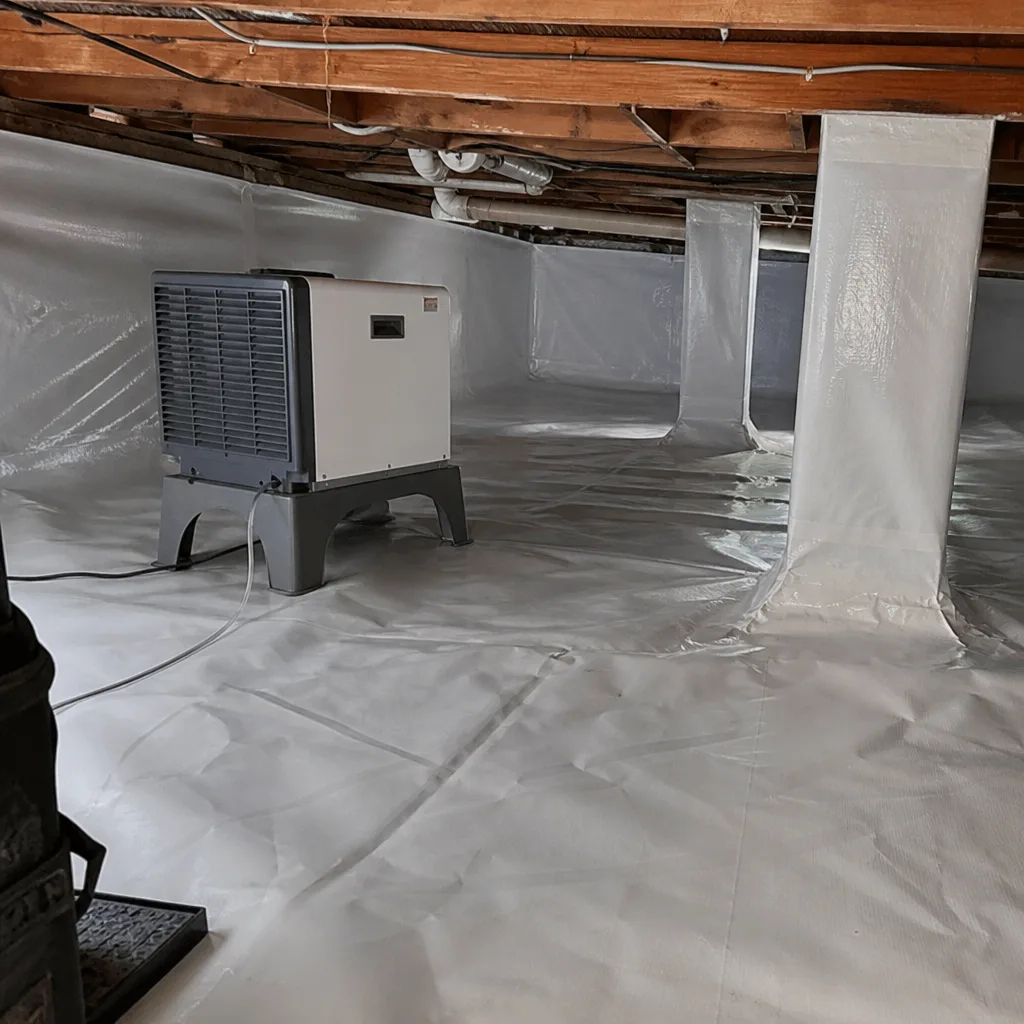
- Surface efflorescence on the barrier. White, chalky mineral deposits mean moisture is migrating through concrete or soil, hitting the plastic, and evaporating. The barrier is still blocking bulk water but losing the battle against vapor drive; in Lancaster’s low-humidity climate, this usually means a groundwater issue, not ambient humidity.
- Crinkling that sounds like cellophane when disturbed. Polyethylene oxidizes in crawl spaces that exceed 140°F during July and August. Once it reaches this stage, punctures spread with any foot traffic during HVAC or plumbing service calls.
- Standing water on top of the barrier. This isn’t a barrier failure; it’s a grading or drainage failure. But it destroys the barrier anyway, as pooled water breeds mold and adds hydrostatic pressure that separates seams. We see this most in homes built before 1990 on the east side of Lancaster where lot grading wasn’t tied to modern drainage codes.
- Detached perimeter piers or sagging between joists. The barrier was likely fastened with landscape staples or spray adhesive, both of which fail in dusty crawl spaces. Johns Manville specifies mechanical fastening to a pressure-treated sill plate or a termination strip; anything less is a ticking clock.
- Musty odor that persists after HVAC filter changes. Your nose is detecting mold volatiles in the crawl space air, which the stack effect pulls upward through floor penetrations. The vapor barrier may look intact but have micro-perforations from rodent activity or UV degradation if any light penetrates vents.
Replacement Cost & What’s Included
| Scope | Price Range (Lancaster) | Typical Home Size |
|---|---|---|
| 6-mil barrier replacement, existing removal included | $1,800 - $2,400 | 1,200 - 1,800 sq ft crawl space |
| 10-mil reinforced barrier, full encapsulation | $2,600 - $3,400 | 1,500 - 2,200 sq ft crawl space |
| Additional sump pump or drainage mat | $400 - $900 | As needed for standing water |
What moves you up or down within these ranges: accessibility (crawl space height under 18 inches adds labor), existing barrier removal (some Lancaster homes have two or three layered attempts that all need to come out), and whether we find unsealed penetrations that need addressing before the new barrier goes down. We don’t blow insulation over an unsealed attic floor, and we don’t lay vapor barrier over unsealed crawl space penetrations. Seal the gaps first. Then insulate. The R-value you paid for is only as good as the air barrier behind it.
Every job closes with a Documented Photo Record and, where applicable, before-and-after blower-door readings. Under Haven Standard Clause 1, you get a written price before any work starts, a written scope, and a written warranty. The 365-Day Done Right Promise covers all completed work.
DIY or Call Us?
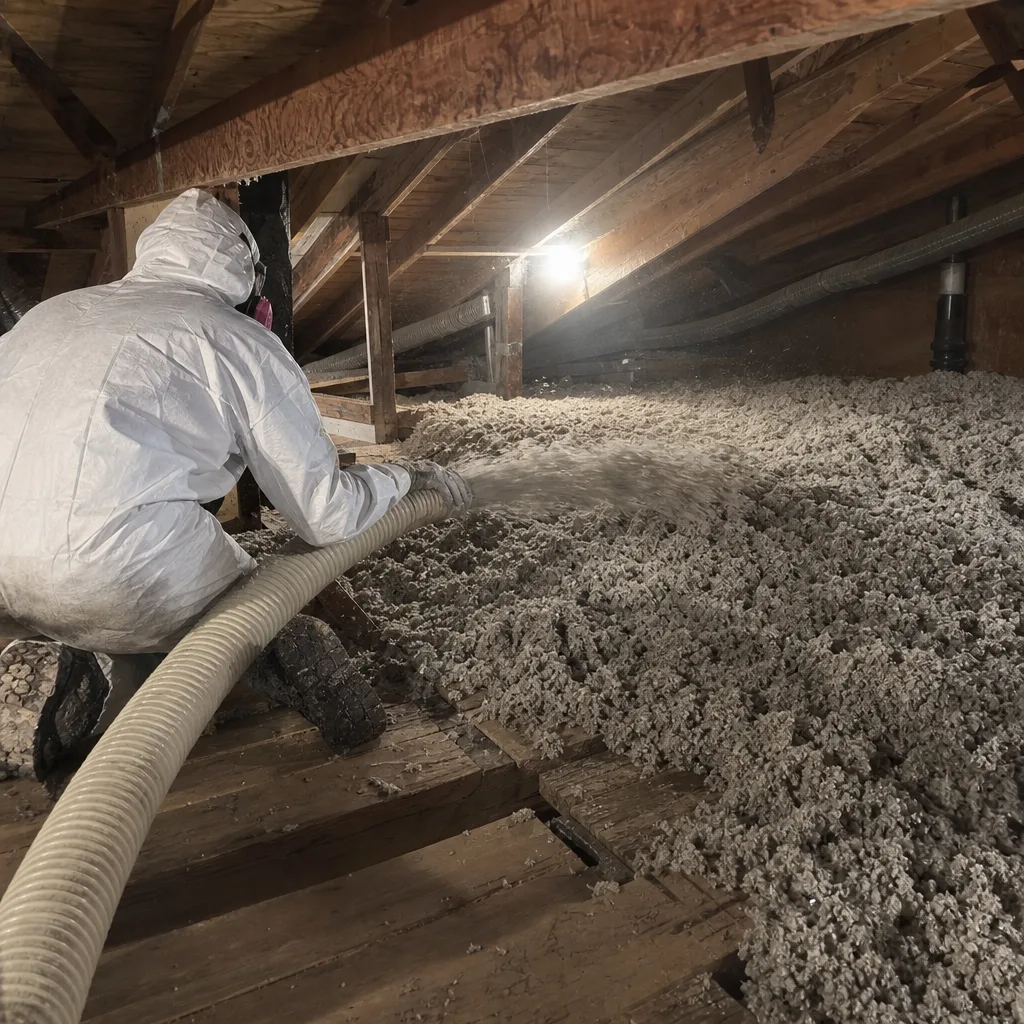
What you can safely check yourself: pull back a corner of the existing barrier with gloves and a dust mask, note the mil rating if visible, and photograph any standing water or obvious tears. That’s your documentation if you call us, and it saves the diagnostic step.
Where DIY goes wrong: cutting and seaming polyethylene in a confined crawl space requires a heat welder or pressure-sensitive seam tape rated for below-grade use. The tape sold at hardware stores loses adhesion at 120°F, which your crawl space hits regularly from June through September. Worse, laying new barrier over old traps moisture between layers and accelerates mold. We’ve removed three-layer DIY sandwiches in Lancaster homes where each new owner added another sheet without removing the last.
There’s no high-tension danger here like a garage door spring, but the ergonomics are punishing. Twelve hours on your back in 130-degree dust, wrestling a 10-foot roll through a 24-inch access hatch, is how knees and backs give out. If you’re considering it, call (661) 526-2890 first. Our written estimate is free, and we’ll show you exactly what we found.
FAQs
In Lancaster’s climate, a properly installed 10-mil reinforced barrier typically lasts 15 to 20 years; 6-mil basic polyethylene lasts 8 to 12 years before brittleness sets in. The Antelope Valley’s UV exposure through crawl space vents and extreme summer heat cycling are the primary accelerators. Call (661) 526-2890 and we’ll assess your current barrier’s condition with no charge.
Small punctures under six inches can be patched with compatible seam tape if the surrounding material is still flexible. If the plastic crinkles when handled or shows widespread oxidation, patching is false economy; the surrounding material will fail within two years. We evaluate this during our free inspection and tell you straight which path makes financial sense.
Most residential crawl spaces in Lancaster take one to two days: half a day for removal and surface prep, half a day to a full day for installation and seam welding. Homes with limited access hatches or active drainage problems may extend to a third day. We give you a written timeline with your written price before anyone starts.
We stock 6-mil and 10-mil reinforced polyethylene barrier in 12-foot and 16-foot widths, plus compatible seam tape and mechanical fastening systems. For Johns Manville-specific CI Max accessories or 15-mil specifications, we source from regional distributors with next-day availability. We also stock Reflectix radiant barrier products for combined crawl space and attic projects.
Written by Wes Okafor, Owner & Lead Insulation Technician, Topside Attic Insulation Lancaster at Topside Attic Insulation Lancaster, serving Lancaster and nearby areas.