
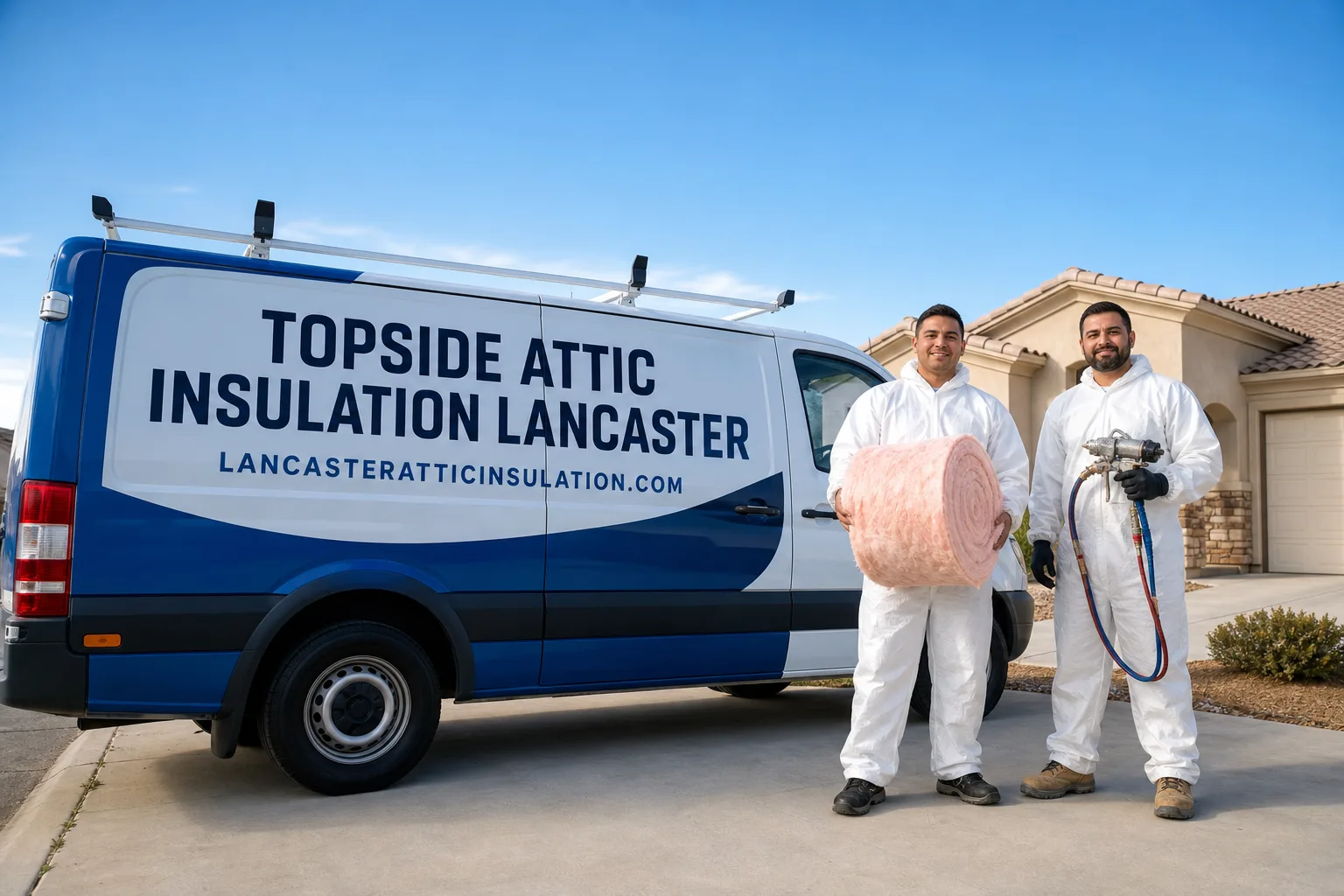
Fast, Reliable Spray Foam Insulation Across Lake Los Angeles
Spray foam insulation in Lake Los Angeles typically costs $2,800-$7,500 for most residential jobs, with closed-cell roof deck applications running higher than open-cell wall cavities due to material density and the extreme thermal load this high-desert climate demands. Most Lake Los Angeles homes we assess need the full envelope treatment - attic, rim joists, and often the roof deck itself - because the original 1950s vacation-grade construction left these houses barely insulated for weekend use, not year-round habitation at 2,700 feet. Call (661) 526-2890 for a written price before any work starts; estimates are free, and our Los Angeles office dispatches crews to Lake Los Angeles daily.
We’ve been driving the Antelope Valley Highway to Lake Los Angeles since 2016, and the pattern never changes: open an attic in the original vacation tracts and find bare wood framing or a thin layer of flattened fiberglass that hasn’t done real work in decades. The diurnal temperature swing here - often 40°F between afternoon peak and overnight low - punishes every gap in the thermal envelope. Our Spray Foam Insulation team treats that swing as the design problem, not an afterthought.
Why Topside Attic Insulation Lancaster Is Lake Los Angeles’s Preferred Spray Foam Insulation Company
We’ve sealed and insulated more than 9,000 homes since 2016, and a significant share of those have been in the high-desert communities east of the Antelope Valley Freeway. Lake Los Angeles homeowners find us through referrals from neighbors who’ve seen our blower-door numbers - the before-and-after pressurization readings that show, in one figure, exactly how much conditioned air the house was losing.
Our reviews from Lake Los Angeles customers consistently mention two things: the written price that showed up before anyone lifted a tool, and the photo documentation they received when the crew left. No voicemail loops, no callback windows measured in business days - a live person answers calls 24/7, and our crews typically reach Lake Los Angeles properties within 90 minutes of dispatch from our Los Angeles coordination office.
What separates us from contractors who drive up from Palmdale or Lancaster with a foam rig and a hose is local foreknowledge. We know which 1950s tracts off 170th Street East have the original uninsulated roof decks. We know which manufactured-home parks have rim joists so leaky that foam alone won’t fix the problem. That knowledge changes the scope, and the scope changes the result.
Our Spray Foam Insulation Services in Lake Los Angeles
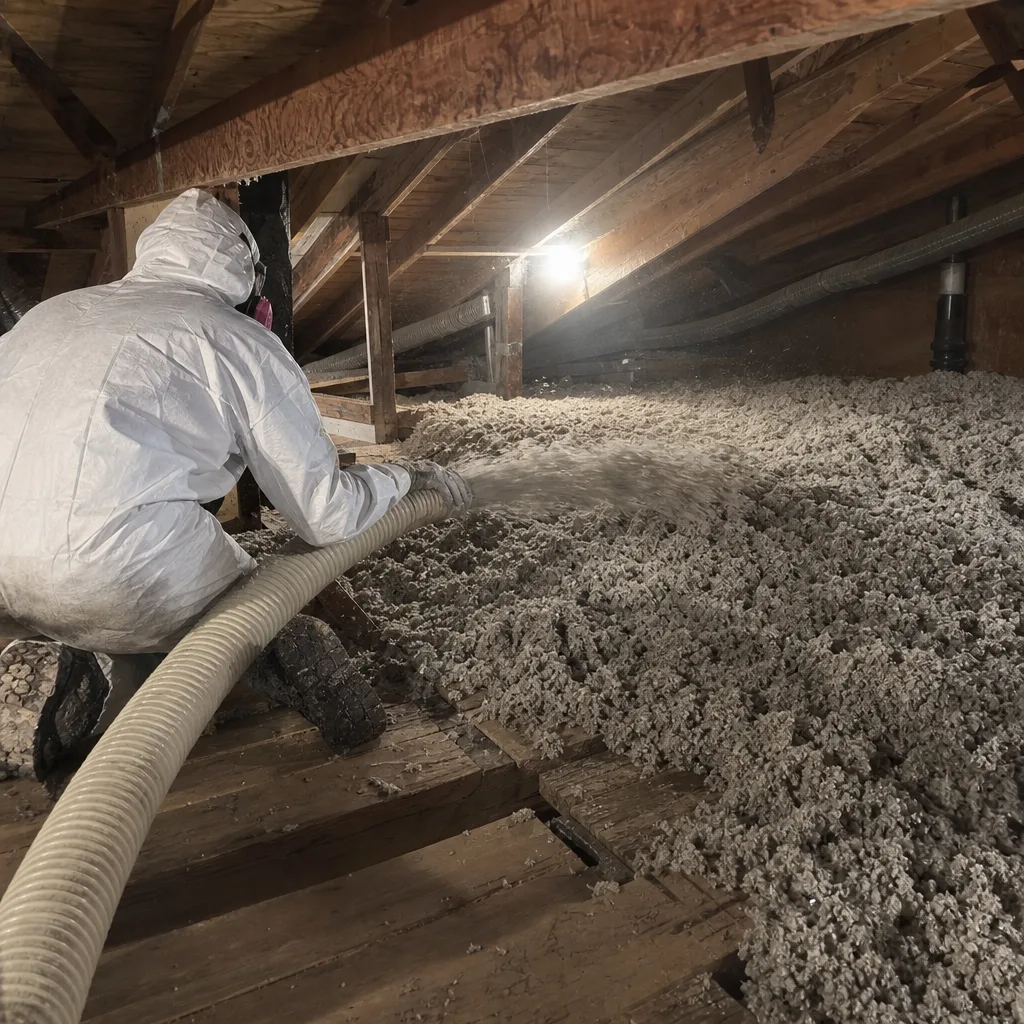
Closed-Cell Spray Foam
Closed-cell spray foam is our default recommendation for Lake Los Angeles roof decks and exterior walls - the R-6.5 per inch and structural rigidity matter here more than in milder climates. At roughly 2,700 feet in the high Mojave Desert, summer roof surface temperatures regularly exceed 150°F, and closed-cell’s higher density and lower permeability prevent moisture accumulation in the assembly. A typical closed-cell application in a Lake Los Angeles home runs $3,200-$6,800 depending on square footage and whether we’re treating roof deck, walls, or both. We source closed-cell material from Owens Corning and Demilec - no proprietary lock-in, so we spec what the assembly actually needs.
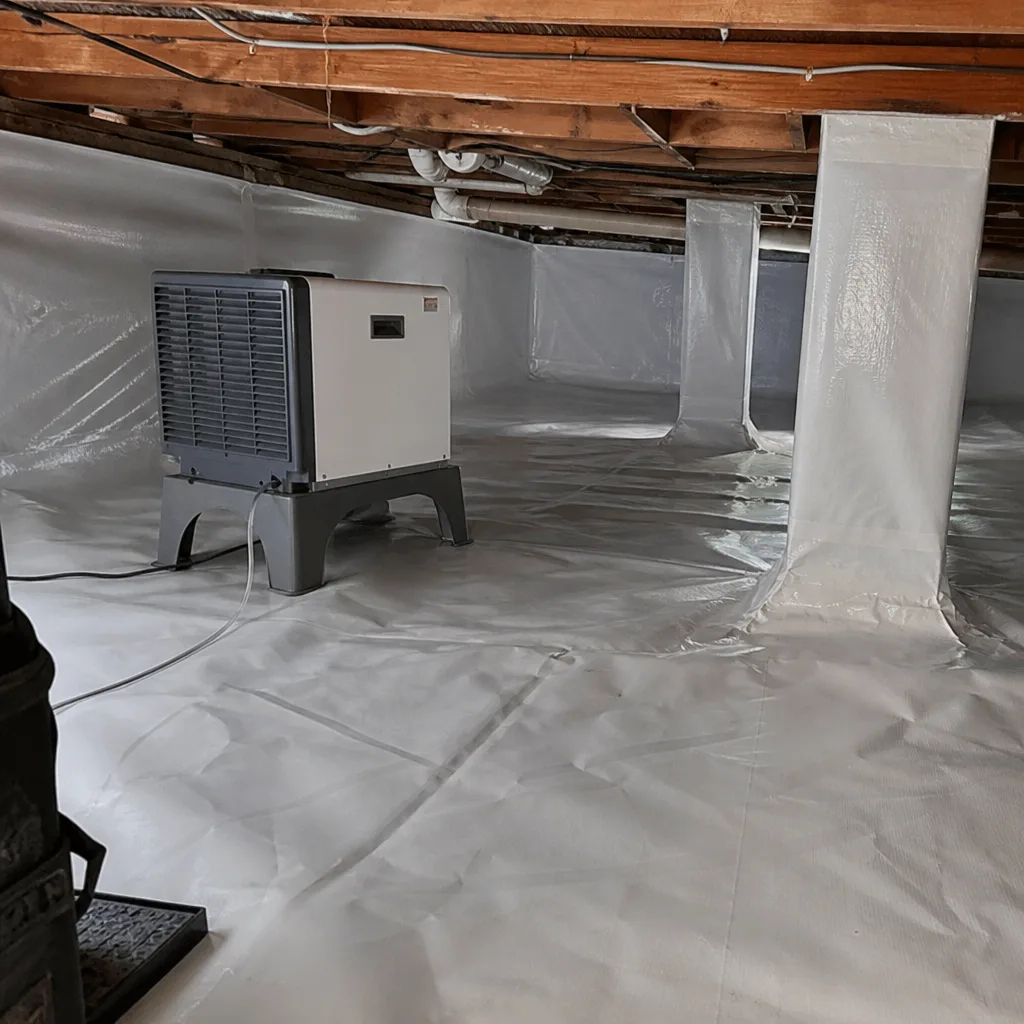
Open-Cell Spray Foam
Open-cell spray foam at R-3.6 per inch has its place in Lake Los Angeles, but we rarely specify it for roof decks in this climate - the permeability that makes it “breathable” also makes it vulnerable to the thermal shock of a 150°F+ roof deck in July. We do use open-cell for interior partition walls and some ceiling applications where vapor drive is managed and the assembly won’t see direct solar load. Cost typically runs $2,800-$5,200 for open-cell in a Lake Los Angeles home. We stock Johns Manville open-cell formulations for fast turnaround on scheduled jobs.
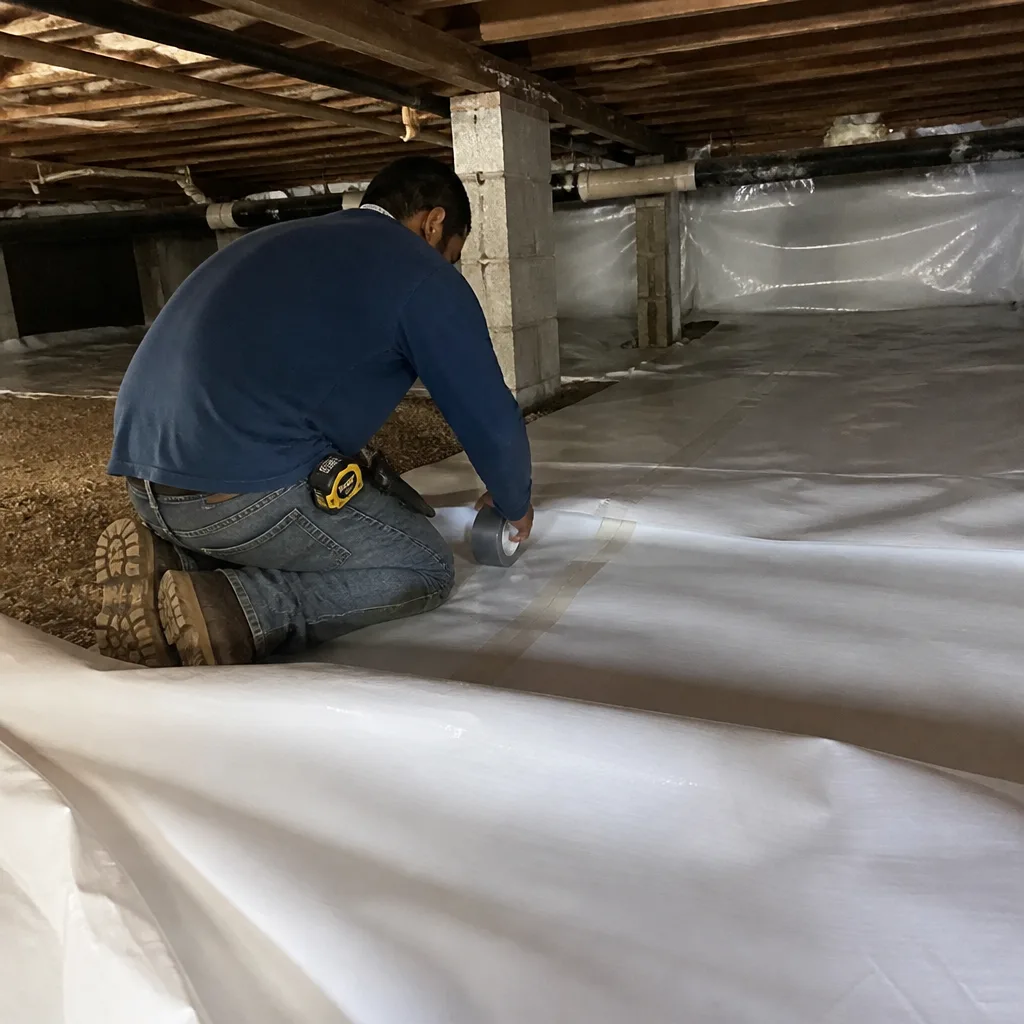
Rim Joist Spray Foam
The rim joist - the perimeter band where the foundation meets the floor system - is where we find the most hidden leakage in Lake Los Angeles’s older homes and manufactured housing. The 1950s vacation-grade construction and thin manufactured-home envelopes both share this failure mode: rim joists and top plates were never sealed, so conditioned air escapes directly to the desert. We treat rim joist sealing as mandatory, not optional. A typical rim joist treatment in Lake Los Angeles runs $1,400-$2,600. We complete this work before any attic foam goes in - Haven Standard protocol, no exceptions.
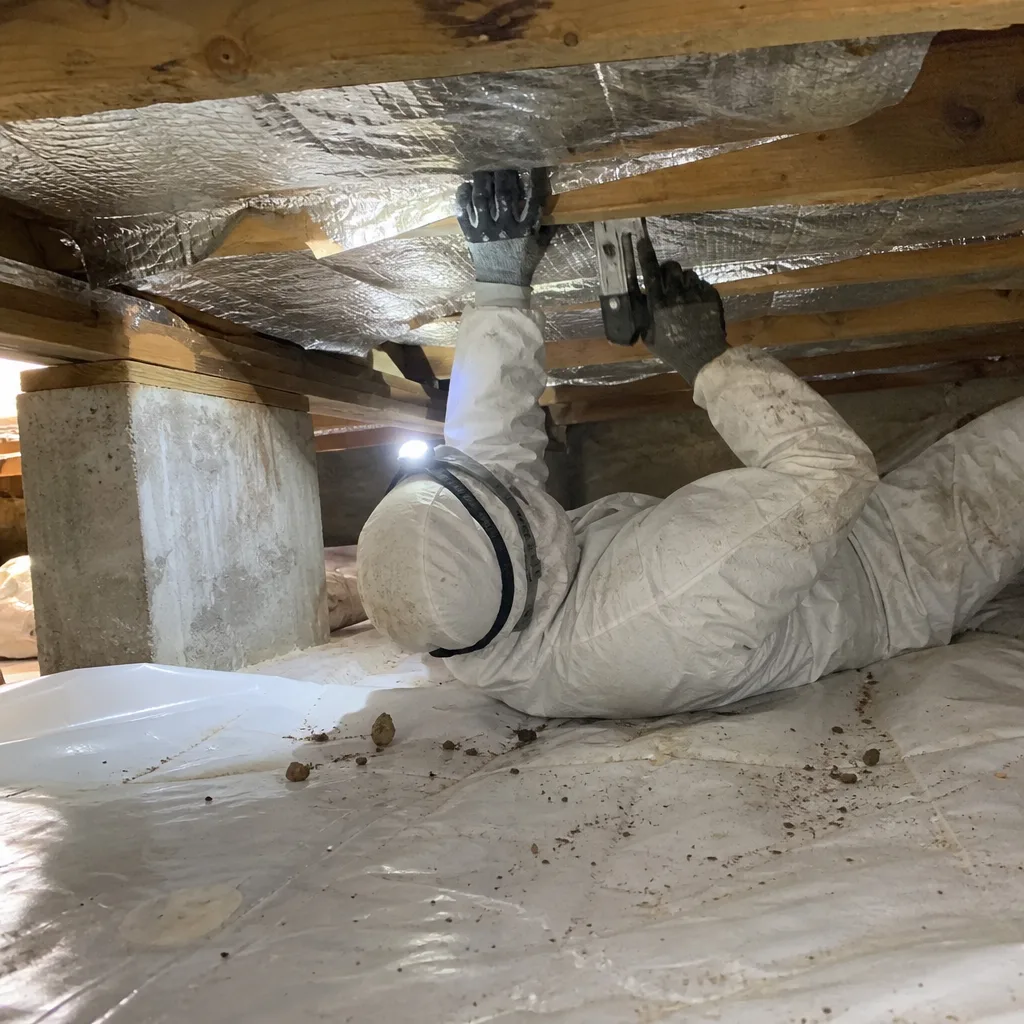
Garage Ceiling Spray Foam
Garage ceilings in Lake Los Angeles are often the uninsulated boundary between a baking garage (120°F+ in summer) and conditioned living space above. We spray foam garage ceilings to create a continuous thermal boundary, typically at $2,000-$4,200 depending on whether the ceiling is finished or open joist. This is especially relevant for homes where the garage was converted or where bedrooms sit above an unconditioned garage.
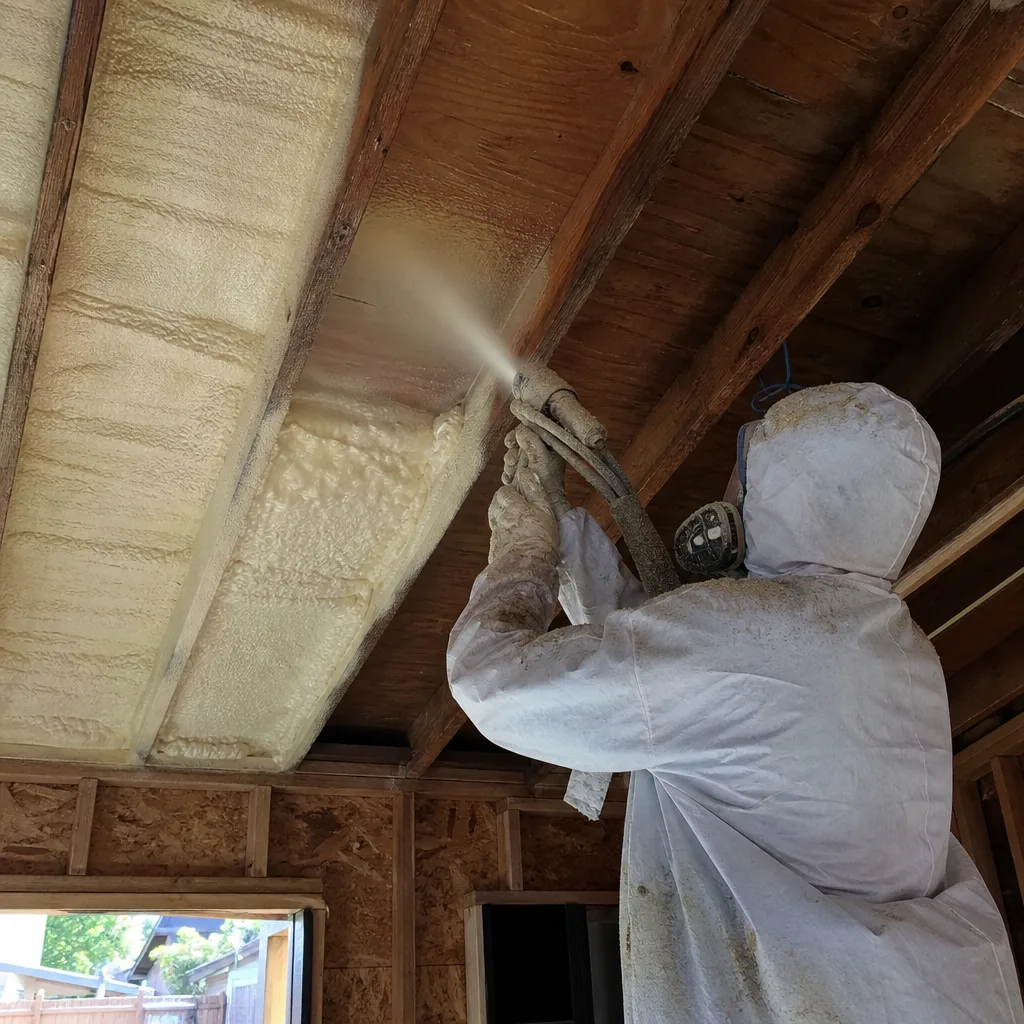
Spray Foam Roof Deck
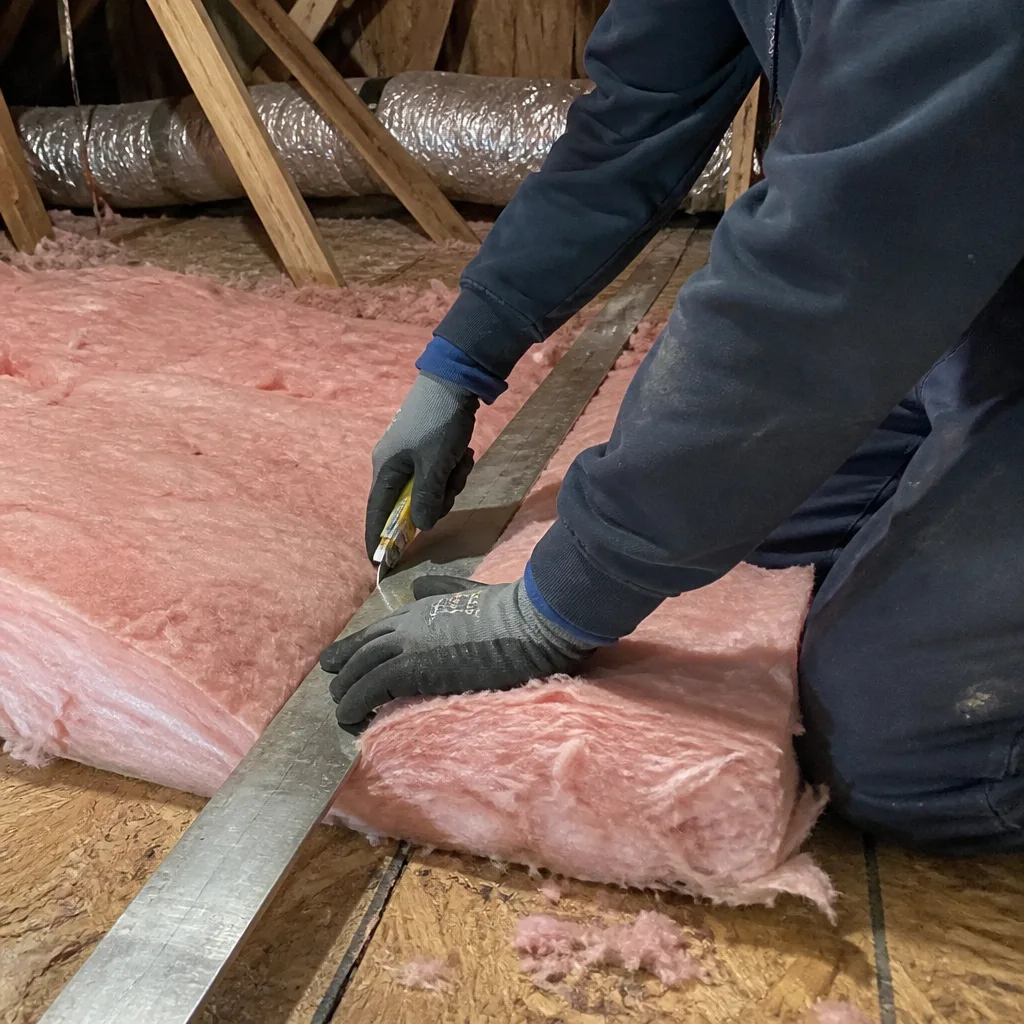
Spray foam applied directly to the roof deck - the underside of the roof sheathing - is the most effective way to stop radiant heat transfer in Lake Los Angeles’s original vacation homes with zero to R-7 attic insulation. We remove any old, flattened fiberglass, seal top plates and penetrations, then apply closed-cell foam to the deck itself, creating an unvented conditioned attic. This treatment typically runs $4,500-$7,500 in Lake Los Angeles. In the original 1950s vacation tracts off 170th Street East, our tech opened an attic and found bare wood framing with no insulation between the living space and a roof deck that bakes at 150°F+ in July. We applied closed-cell spray foam to the roof deck to seal the assembly and stop the desert heat from radiating into the living space, after removing a pile of old, flattened fiberglass and sealing the top plates.
What happens when you call
- 1
A real person answersNo phone trees - you reach a local pro.
- 2
You get an upfront price rangeHonest numbers before anyone is dispatched.
- 3
A background-checked tech heads outLicensed & insured, dispatched right away.
- 4
You approve before work beginsNothing starts until you say go.
Trusted Brands We Service in Lake Los Angeles
We source spray foam materials from Owens Corning, Johns Manville, Knauf, and other established manufacturers - no proprietary product lock-in that limits your options. For Lake Los Angeles customers, this means we spec the right foam chemistry for the assembly rather than pushing whatever our distributor needs to move. Our Los Angeles warehouse stocks closed-cell and open-cell formulations for same-week scheduling on most jobs, and we carry the full range of ignition barriers and thermal barriers required by California Title 24 for foam exposed in attic and crawl space applications.
Common Spray Foam Insulation Problems We See in Lake Los Angeles Homes
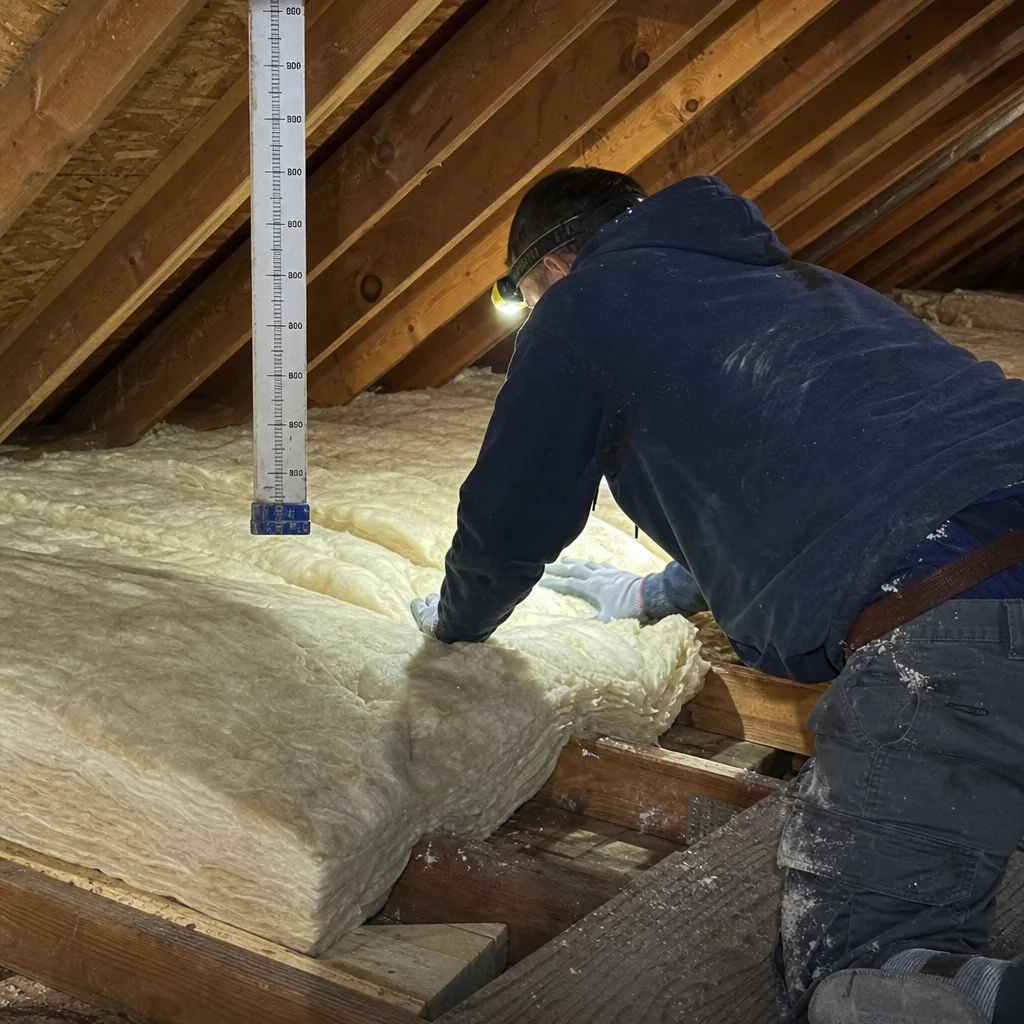
- Roof decks that cook open-cell foam installed without proper thickness or a thermal barrier. We’ve found multiple Lake Los Angeles homes where a previous contractor sprayed open-cell directly against roof sheathing at insufficient depth; the foam degraded under sustained 150°F+ surface temperatures and had to be removed. Closed-cell with proper ignition barrier protection is the correct specification here.
- Attics with zero to R-7 insulation that leave undersized foam passes still inadequate. The gap between code minimum and actual condition in these 1950s vacation homes is enormous. A thin pass of foam that might suffice in a newer Lancaster tract home still leaves a Lake Los Angeles house swinging 40°F or more between afternoon and overnight.
- Rim joists and top plates that leak right through foam if not sealed first. We’ve seen foam sprayed over unsealed top plates in Lake Los Angeles attics - the foam looks correct but the house still breathes desert air through the gaps. We seal first, then insulate. In that order.
- Manufactured homes with wall cavities too thin for effective foam depth. The thin envelopes of Lake Los Angeles’s manufactured housing stock limit cavity depth, so we often combine limited foam with exterior rigid insulation or recommend closed-cell for maximum R-value per inch.
Pricing for Spray Foam Insulation in Lake Los Angeles, CA
Most residential spray foam jobs in Lake Los Angeles fall between $2,800 and $7,500, with the wide range reflecting the condition of the existing envelope and the scope of prep work required. Here’s how typical line items break down:
| Service | Typical Range in Lake Los Angeles |
|---|---|
| Open-cell spray foam (walls/ceiling) | $2,800 - $5,200 |
| Closed-cell spray foam (walls/roof deck) | $3,200 - $6,800 |
| Rim joist spray foam | $1,400 - $2,600 |
| Garage ceiling spray foam | $2,000 - $4,200 |
| Spray foam roof deck (full assembly) | $4,500 - $7,500 |
What moves the number: the amount of old insulation removal required, the extent of air sealing needed before foam can be applied, accessibility of the work area, and whether ignition barriers or thermal barriers are required by the specific assembly. Every job begins with a written price - flat, itemized, no work starts without it - and we provide a Free Second Opinion on any written estimate you’ve already received. Call (661) 526-2890 to schedule.
We Also Serve Cities Near Lake Los Angeles
Our crews work throughout the Antelope Valley and high desert, including Lake Los Angeles and the surrounding communities of Lancaster, Quartz Hill, Desert View Highlands, and Palmdale. Dispatch and scheduling are coordinated from our Los Angeles office; crews serve Lake Los Angeles locally with the same written-price, documented-record protocol we apply everywhere.
Serving Lake Los Angeles, CA - Our Local Coverage Area
We’re based in the Lake Los Angeles area and know this community well. Use the map below to see our service coverage - if you’re nearby, we can almost certainly help.
FAQs - Spray Foam Insulation in Lake Los Angeles
Because Lake Los Angeles was platted in the 1950s-60s as a vacation-home subdivision, its attics routinely have zero to R-7 insulation - bare framing with nothing between the living space and a roofline that bakes past 150°F in July; a failure mode almost unheard of in nearby Palmdale or Lancaster, where stricter tract construction norms applied from the start. Blown-in fiberglass fills space but doesn’t air-seal, and in these conditions it simply can’t stop the radiant heat transfer or the air leakage that dominates the thermal loss. Spray foam creates both an air barrier and an insulation layer in one pass. Call (661) 526-2890 for a written assessment of your specific attic - estimates are free.
Yes - spray foam’s air-sealing performance is bidirectional, meaning it reduces both cooling load in summer and heating load in winter, which is exactly what Lake Los Angeles’s climate demands. The same 40°F diurnal temperature swing that makes this climate punishing also makes air sealing more valuable than in milder regions where insulation alone might suffice. Our before-and-after blower-door tests document the reduction in air changes per hour, typically cutting leakage by 40-60% in Lake Los Angeles homes. Call (661) 526-2890 to see what your current leakage rate is - the test is included in our assessment.
Closed-cell is almost always the better choice for the roof deck and exterior walls in these homes, due to the higher R-value per inch, structural rigidity, and lower permeability that prevents moisture accumulation under extreme thermal load. Open-cell can work for interior partitions and some ceiling applications where it won’t see direct solar exposure. The thin wall cavities and uninsulated roof decks typical of Lake Los Angeles’s vacation-grade construction often don’t have the depth to achieve adequate R-value with open-cell alone. We specify based on assembly, not preference - call (661) 526-2890 for a written scope.
Leaky rim joists and top plates create bypass paths that allow conditioned air to escape around the foam, effectively neutralizing its thermal benefit - the house still breathes desert air even if the cavity looks filled. We see this regularly in Lake Los Angeles’s 1950s tracts and manufactured homes, where these junctions were never sealed during original construction. Our protocol is air sealing first, then insulation: top plates, can lights, penetrations, and rim joists are sealed before any foam is applied. The blower-door test confirms the seal; the foam then performs as specified. Call (661) 526-2890 - we don’t skip this step.
Lake Los Angeles’s combination of vacation-grade construction standards, 2,700-foot elevation, and extreme diurnal temperature swings creates a unique scope profile that Lancaster and Palmdale don’t replicate. The original 1950s homes here routinely need roof deck foam and extensive rim joist sealing that newer tract homes in Lancaster simply don’t; the thermal load is higher than Palmdale’s slightly lower elevation; and the building stock’s original insulation is often literally absent rather than merely inadequate. Our Lake Los Angeles scopes reflect these realities - we don’t apply a generic Antelope Valley template. Call (661) 526-2890 for a written price that accounts for your specific home’s condition.
Written by Wes Okafor, Owner at Topside Attic Insulation Lancaster, serving Lake Los Angeles since 2016 under The Haven Standard.