
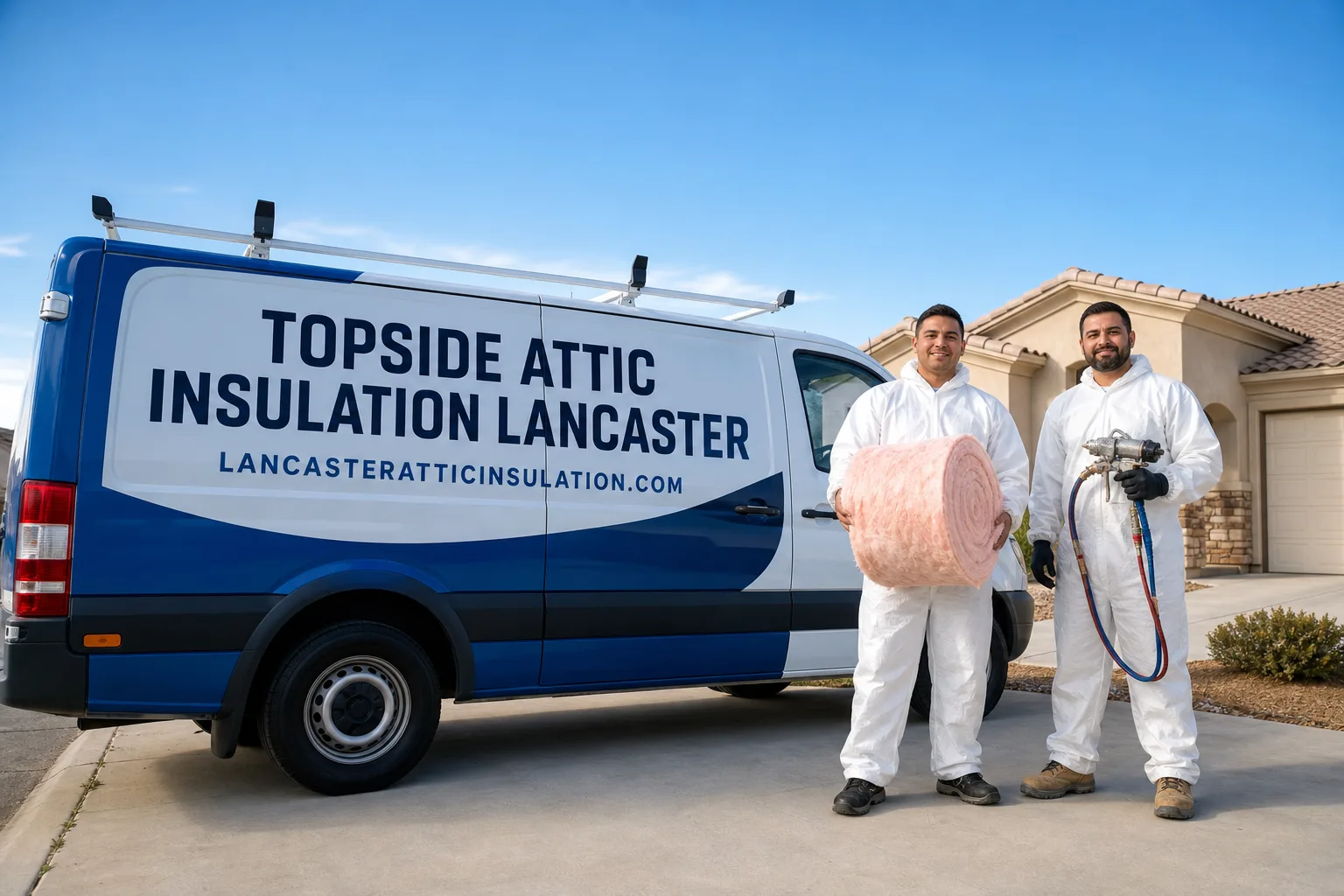
Fast, Reliable Spray Foam Insulation Across Green Valley
Spray foam insulation in Green Valley typically runs $2.80-$5.40 per board foot depending on whether you need open-cell or closed-cell, and most cabin retrofits are completed in one to two days. We’re familiar with the non-standard framing, plank sheathing, and missing vapor barriers common to the 1940s-1970s weekend cabins that dominate Green Valley’s housing stock. Our crews are dispatched from the Los Angeles office and serve Green Valley directly - call (661) 526-2890 for a written price before any work starts.
Green Valley sits at roughly 2,500-3,000 feet in the mountains north of Santa Clarita, where winter temperatures drop below freezing and summer afternoons bake the roof deck. That elevation creates a dual heating-and-cooling load that lower-valley insulation contractors rarely encounter. We’ve retrofitted enough cabins off Spunky Canyon Road and the surrounding Angeles National Forest corridor to know that standard valley specifications fail here. The temperature swings alone - from freezing nights to 90-degree afternoons - cycle roof deck foam until it cracks if the assembly wasn’t designed for mountain exposure.
Why Topside Attic Insulation Lancaster Is Green Valley’s Preferred Spray Foam Insulation Company
We’ve sealed and insulated over 9,000 homes since 2016, and a growing share of that work is in the mountain communities above the Santa Clarita Valley. Green Valley homeowners find us because they’ve already learned that valley contractors quote assemblies that don’t account for High Fire Hazard Severity Zone requirements or the absence of existing vapor barriers in cabin construction.
Our reviews from Green Valley customers consistently mention two things: the blower-door numbers we publish showing before-and-after air leakage, and the fact that we don’t start until the homeowner has a written scope, written price, and written warranty in hand. Under Haven Standard Clause 1, no work begins without these documents.
Response time to Green Valley is typically same-day or next-day for estimates, with crews scheduled once the written price is accepted. We don’t do callback windows measured in business days - a live person answers our phones 24/7, and our technicians are background-checked, uniformed, and named in your appointment confirmation text.
What separates us on Green Valley jobs is that we treat air sealing as a hard prerequisite, not an upsell. On a 1950s cabin off Spunky Canyon Road, we found open-cell spray foam that had been applied directly against bare plank sheathing with no ignition barrier and no rim joist seal - winter air was still pouring through the band area while the attic foam was failing at the sun-baked roof deck. Our crew pulled the degraded foam, sealed the rim joists with closed-cell, and re-flashed the roof deck with an Icynene assembly behind a fire-rated barrier so the cabin could hold heat through a Green Valley freeze instead of bleeding it into the crawl space. That kind of field correction is common here because the original construction was never meant for year-round occupancy.
Our Spray Foam Insulation Services in Green Valley
Closed-Cell Spray Foam
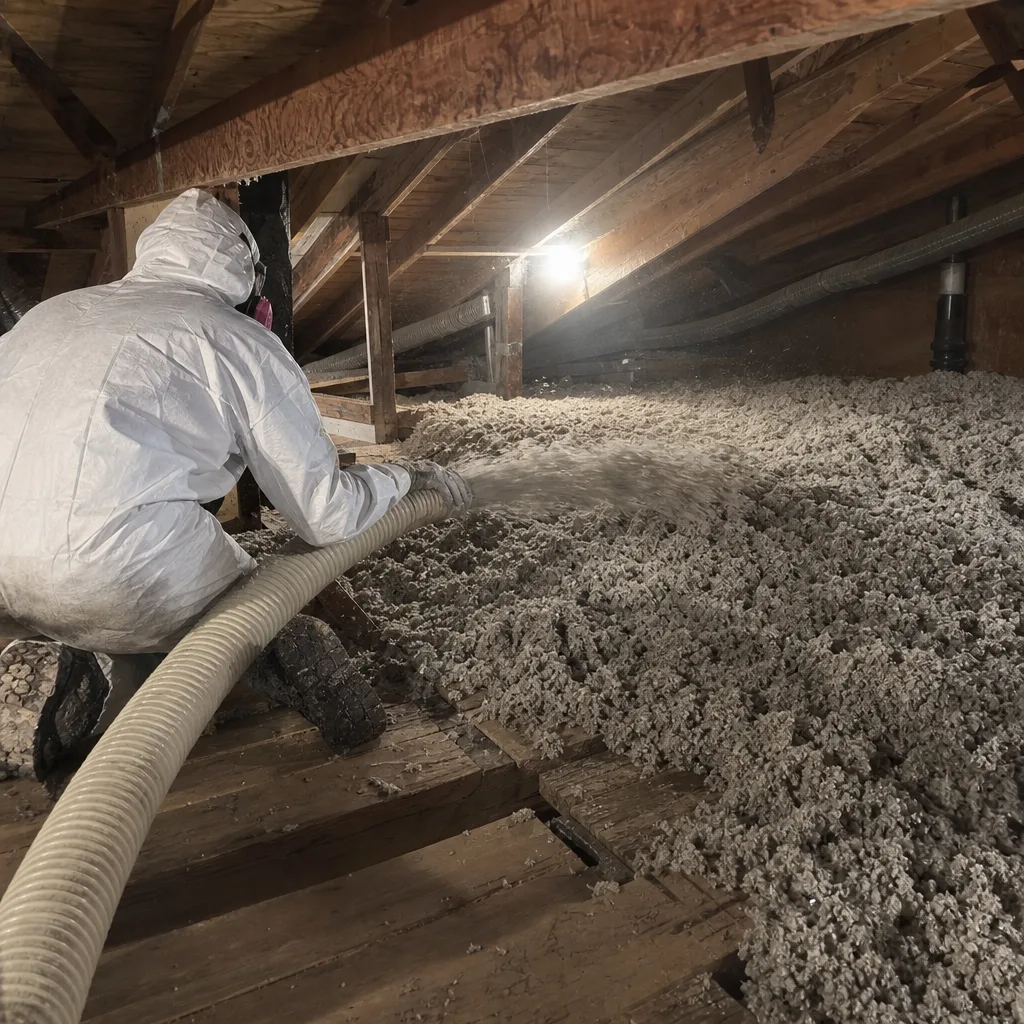
Closed-cell spray foam is our primary recommendation for Green Valley’s uninsulated cabins. At roughly 2.0 lbs per cubic foot, it acts as both insulation and vapor barrier - critical in structures that were built with neither. In Green Valley’s High Fire Hazard Severity Zone, closed-cell also offers better ignition-barrier compatibility and higher R-value per inch (approximately R-6.5) for the thin wall cavities common in 1950s-1960s cabin framing. A typical closed-cell application in a Green Valley cabin runs $4.20-$5.40 per board foot. We source our closed-cell materials from Johns Manville and Demilec, with no proprietary lock-in that limits your options.
Open-Cell Spray Foam
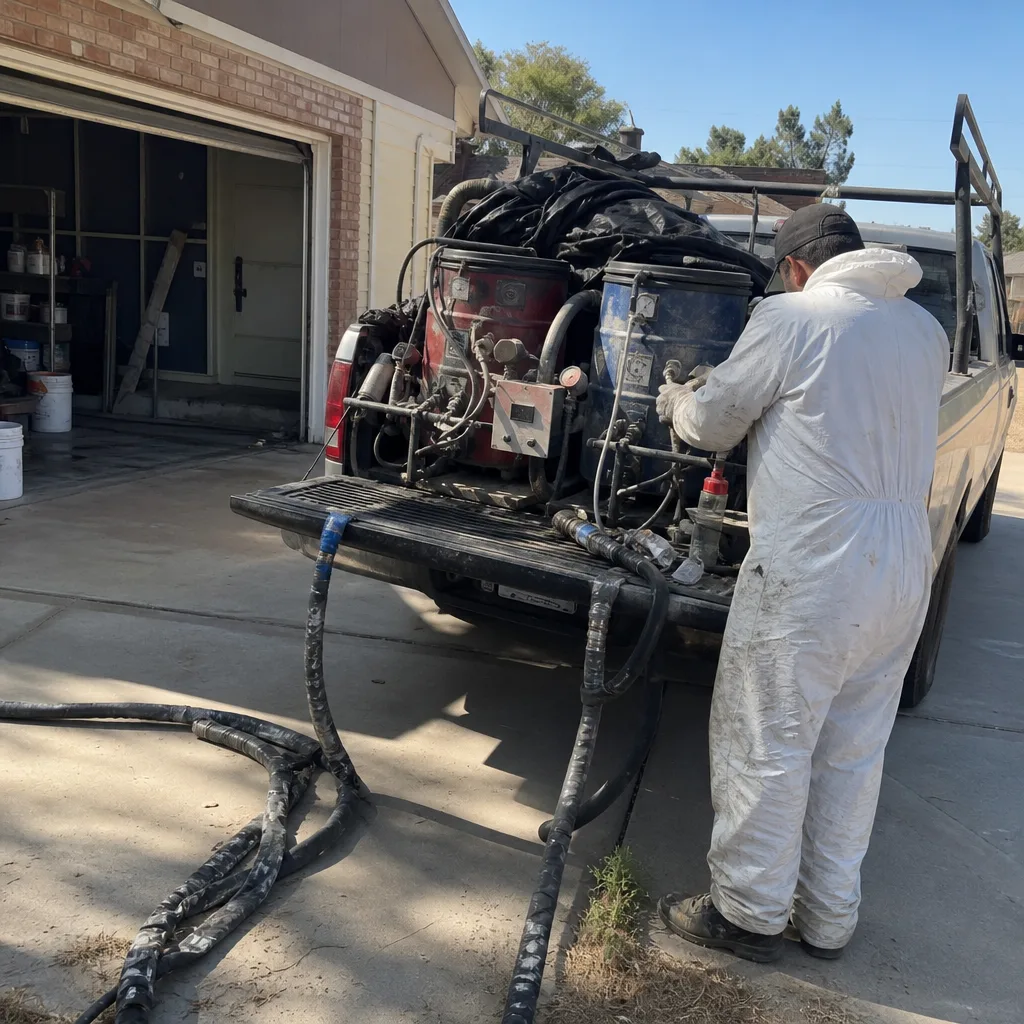
Open-cell spray foam runs lighter - roughly 0.5 lbs per cubic foot - and costs less at $2.80-$3.60 per board foot in Green Valley. We use it selectively in cabins where the assembly already includes a separate vapor barrier or where the local plan review has approved open-cell behind a fire-rated ignition barrier. It’s not our default for Green Valley roof decks or crawl spaces because the material is vapor-permeable, and without an existing barrier, mountain moisture can migrate into aged wood sheathing. When we do specify open-cell, it’s typically for interior wall cavities in cabins that have been fully re-sheathed with modern materials.
Rim Joist Spray Foam
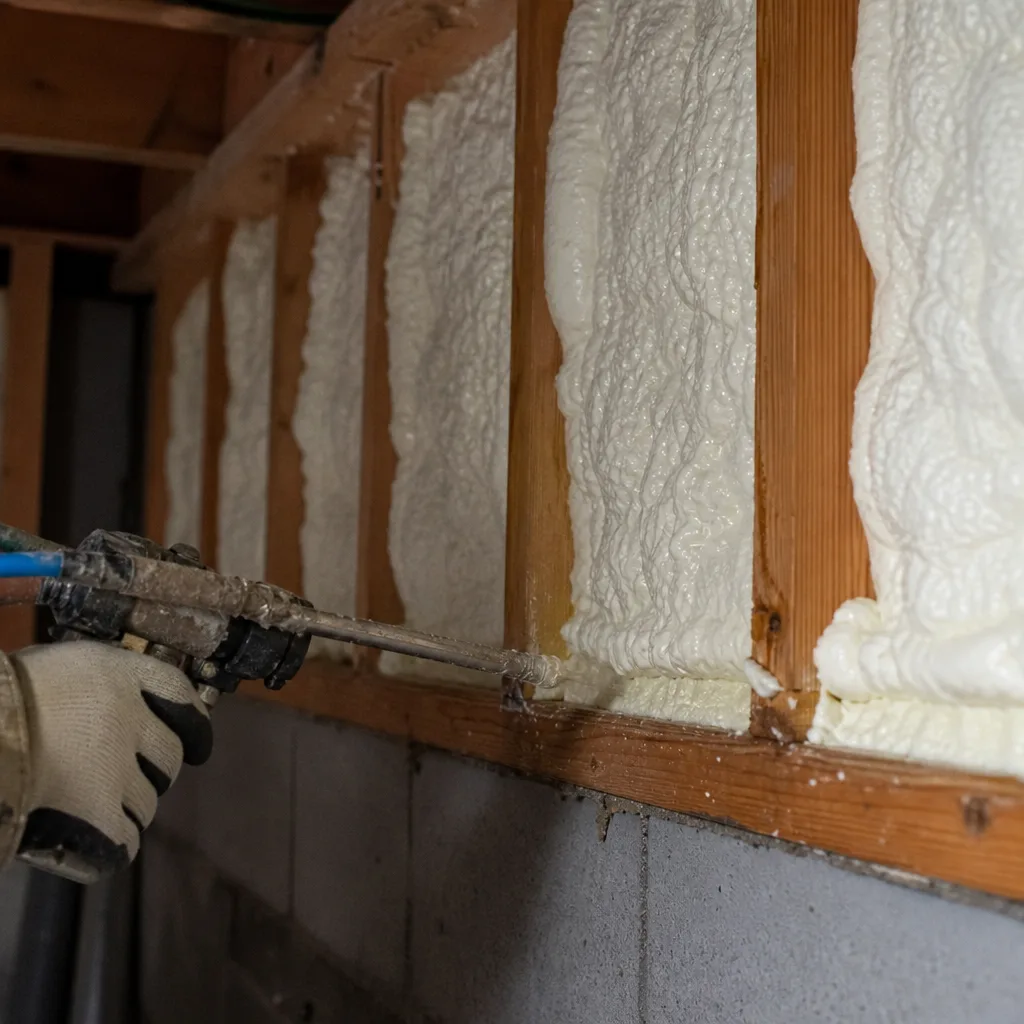
The rim joist - the band area where the floor framing meets the foundation or crawl space walls - is the most common air leakage point we find in Green Valley cabins. Original construction left these gaps wide open, and even when attic foam was added later, contractors often skipped this critical junction. We seal rim joists with closed-cell spray foam because the material’s rigidity and vapor resistance handle the temperature differential between a Green Valley crawl space and the conditioned floor above. On jobs where the cabin sits on piers or a partial foundation, this step alone can drop blower-door readings by 15-25%.
Garage Ceiling Spray Foam
Many Green Valley properties include detached or attached garages that were converted from open carports or added as uninsulated outbuildings. Spray foam on the garage ceiling - whether open-cell behind a thermal barrier or closed-cell for a conditioned workshop space - prevents the garage from becoming a thermal sink that pulls heat from the main cabin. We see this especially on properties near the forest boundary where the garage was built to seasonal standards and now needs to perform year-round.
Spray Foam Roof Deck
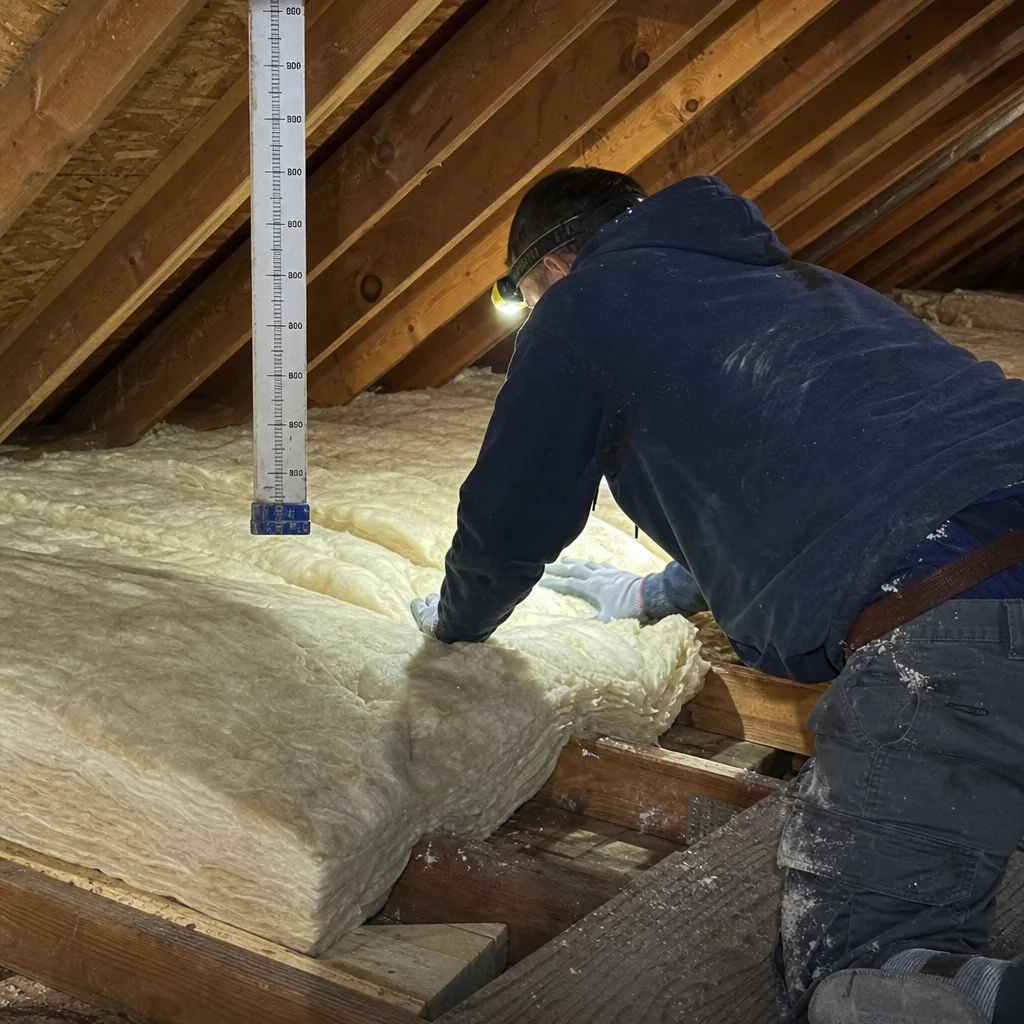
Unvented roof deck spray foam is the most technically demanding application we handle in Green Valley, and it’s where we see the most failures from prior contractors. The combination of high-altitude UV exposure, wild temperature swings, and the Angeles National Forest fire zone means the assembly must include: proper ignition barrier, correct foam density for the substrate, and accommodation for the dimensional movement of aged plank sheathing. We use Icynene and Demilec roof deck formulations specified for mountain climate zones, installed behind fire-rated barriers that satisfy Los Angeles County plan review for High Fire Hazard Severity Zone structures.
What happens when you call
- 1
A real person answersNo phone trees - you reach a local pro.
- 2
You get an upfront price rangeHonest numbers before anyone is dispatched.
- 3
A background-checked tech heads outLicensed & insured, dispatched right away.
- 4
You approve before work beginsNothing starts until you say go.
Trusted Brands We Service in Green Valley
We don’t push proprietary products. Our materials come from established manufacturers - Johns Manville, Knauf, Rockwool, CertainTeed, Icynene, Demilec, and GreenFiber - and we select the specific formulation based on what your Green Valley cabin needs, not what moves our inventory. For fire-rated assemblies in the Angeles National Forest corridor, we stock Johns Manville and Rockwool ignition barriers and thermal barriers that pair with spray foam to satisfy local plan review. That local stocking matters because Green Valley permits sometimes require material submittals that delay jobs when contractors are ordering from distribution centers two hours away.
Common Spray Foam Insulation Problems We See in Green Valley Homes
- Spray foam applied without vapor or thermal barrier pairing. In Green Valley’s never-insulated cabins, the foam becomes the only barrier, and mountain moisture migrates into aged wood framing and sheathing. We find this on roughly half the cabin retrofits we bid - the foam was installed by a valley contractor who assumed a vapor barrier existed.
- Roof deck foam cracked from temperature cycling. Green Valley’s freezing nights and hot afternoons cycle unvented legacy roof assemblies until the foam delaminates or cracks, especially where open-cell was used against plank sheathing without proper density or barrier specification.
- Non-fire-rated exposed foam flagged in plan review. Because Green Valley sits in a High Fire Hazard Severity Zone, exposed spray foam in attics and crawl spaces fails inspection and must be removed and re-flashed with a fire-rated barrier - a correction that adds $1,800-$4,500 to a job that should have been done right initially.
- Skipped rim joist sealing. Even when attic foam was installed, the band joist area was left open, so conditioned air escapes into the crawl space while outside air enters at the foundation perimeter. The cabin owner pays for insulation that isn’t performing because the envelope was never completed.
Pricing for Spray Foam Insulation in Green Valley, CA
| Application | Price Range (per board foot) | Typical Green Valley Cabin Job |
|---|---|---|
| Open-Cell Spray Foam | $2.80 - $3.60 | $3,200 - $5,800 (attic, standard cabin) |
| Closed-Cell Spray Foam | $4.20 - $5.40 | $4,800 - $8,900 (walls + rim joist) |
| Rim Joist Sealing Only | $4.50 - $5.40 | $1,400 - $2,600 |
| Roof Deck (with fire-rated barrier) | $5.00 - $6.20 | $5,500 - $11,000 |
| Garage Ceiling | $3.00 - $4.80 | $2,100 - $4,400 |
What moves a Green Valley job toward the higher end: non-standard framing that requires hand-cutting foam application, removal of degraded prior foam, extensive air sealing of top plates and penetrations before insulation, and fire-rated barrier installation for High Fire Hazard Severity Zone compliance. What keeps costs down: accessible attic or crawl space, standard joist spacing, and no existing material removal.
Every estimate includes a written price before any work starts - Haven Standard Clause 1 - plus a Documented Photo Record and, on applicable jobs, before-and-after blower-door readings. We also provide a Free Second Opinion on any written estimate you’ve received from another contractor. Call (661) 526-2890 to schedule.
We Also Serve Cities Near Green Valley
Our crews work throughout the northern Los Angeles County mountain communities and the Santa Clarita Valley floor below. We also provide Spray Foam Insulation in Green Valley to neighboring Lancaster, Quartz Hill, Desert View Highlands, and Palmdale - though the mountain-specific expertise on this page is tailored to Green Valley’s cabin retrofit needs. If you’re in one of these nearby cities and your home was built to contemporary standards rather than seasonal cabin construction, our Spray Foam Insulation team can specify the appropriate assembly for your structure.
Serving Green Valley, CA - Our Local Coverage Area
We’re based in the Green Valley area and know this community well. Use the map below to see our service coverage - if you’re nearby, we can almost certainly help.
FAQs - Spray Foam Insulation in Green Valley
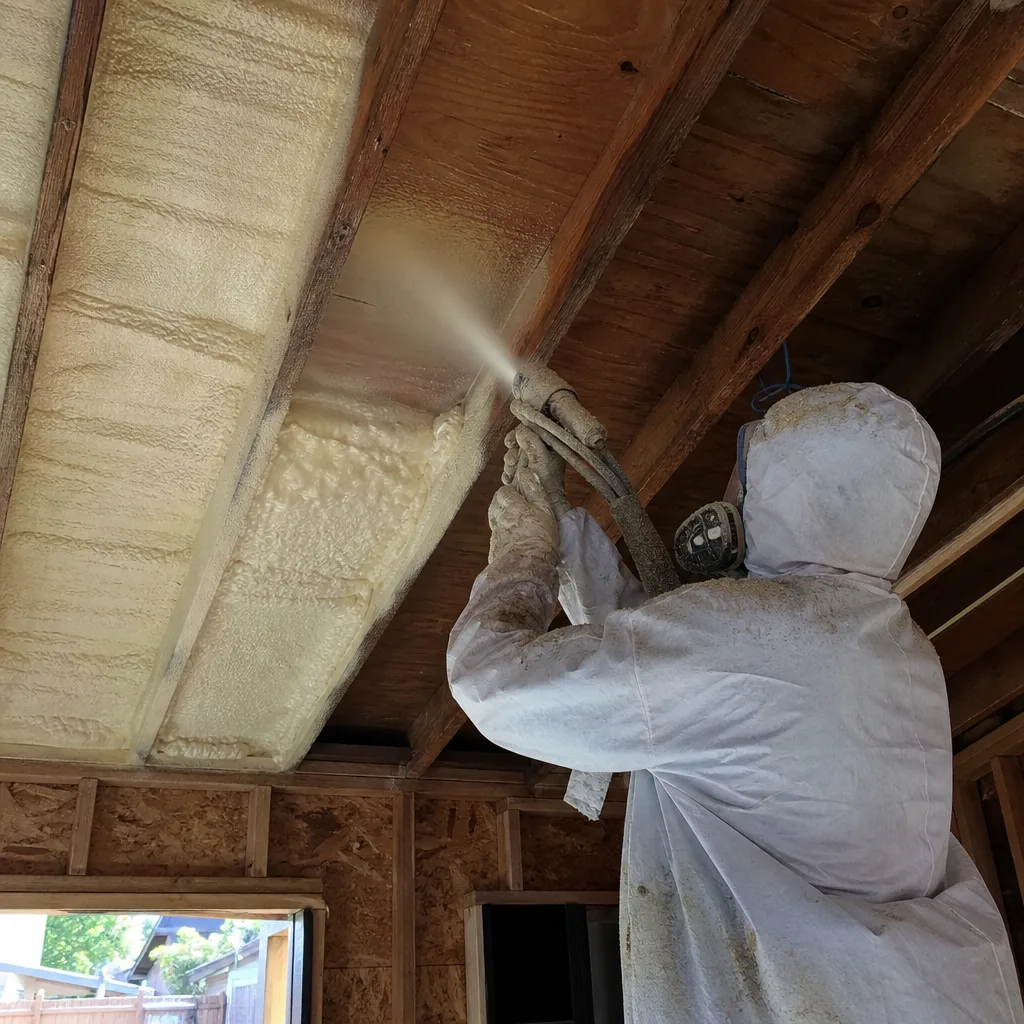
We can, but only with closed-cell spray foam, which itself acts as a vapor barrier at thicknesses above 1.5 inches. Open-cell requires a separate vapor barrier in Green Valley’s climate, and most cabins here never had one installed. We’ll specify the assembly based on what your structure actually has, not what a valley spec sheet assumes. Call (661) 526-2890 for a written scope - estimates are free.
Yes. Los Angeles County plan review in the Angeles National Forest corridor requires fire-rated or non-combustible ignition barriers for exposed spray foam in attics and crawl spaces. This affects both material selection and installation cost - typically adding $1.20-$2.10 per square foot for barrier assembly compared to lower-elevation jobs. We handle the specification and documentation so your job passes inspection the first time.
Closed-cell is almost always the better choice for Green Valley’s uninsulated cabins. The higher R-value per inch fits thin wall cavities, the vapor-blocking property compensates for missing barriers, and the material’s density holds up better against temperature cycling and fire-zone requirements. Open-cell has valid applications but is rarely our primary recommendation here.
Failure usually traces to three causes: wrong foam density for the substrate, missing ignition barrier in the fire zone, or no accommodation for the dimensional movement of aged plank sheathing under temperature swings. Green Valley’s elevation creates wider daily temperature variation than the valley floor, which accelerates cracking and delamination in assemblies that weren’t specified for mountain exposure. We design roof deck applications for this specific climate zone.
Yes. Non-standard framing is standard in Green Valley’s cabin stock. Our crews hand-cut foam application around irregular joist spacing, field-built supports, and pier foundations that don’t match modern construction documents. The process takes longer than a tract-home install - typically 20-40% more labor - but the result is a sealed, insulated envelope that performs. We’ll put the exact scope and price in writing before anyone lifts a tool.
Written by Wes Okafor, Owner at Envelope Insulation Co., serving Green Valley since 2016 under The Haven Standard.