
Last updated September 23, 2026
Seasonal Insulation Care for Lancaster: Year-Round Homeowner’s Guide
Attic air temperatures in Lancaster routinely exceed 150°F between June and September. A homeowner who schedules an attic inspection in July to investigate a high electric bill is entering a space that is physically unsafe, and a contractor who agrees to do attic work in that window is either rushing or not telling you the full story. Lancaster’s climate doesn’t have four equal seasons. It has a long, brutal cooling season, a short but genuinely cold heating season, and two transitional windows - spring and fall - that are the only practical times to do attic inspection and remediation work safely. This guide structures insulation care around Lancaster’s actual climate calendar, not the national four-season template. For more context, see our Complete Guide to Insulation in Lancaster.
Quick Answer
Seasonal insulation care in Lancaster means inspecting and maintaining your building envelope during two safe-access windows: March through May and October through November. Our Attic Insulation Maintenance Checklist for Lancaster Homeowners covers each task in detail. During these periods, attic temperatures fall below 100°F, allowing thorough inspection of blown-in insulation depth, radiant barrier condition, air-sealed penetrations, and duct integrity without heat-stress risk to workers or materials. Everything else is monitoring from below and knowing when to schedule professional work before the next extreme season arrives.
Table of Contents
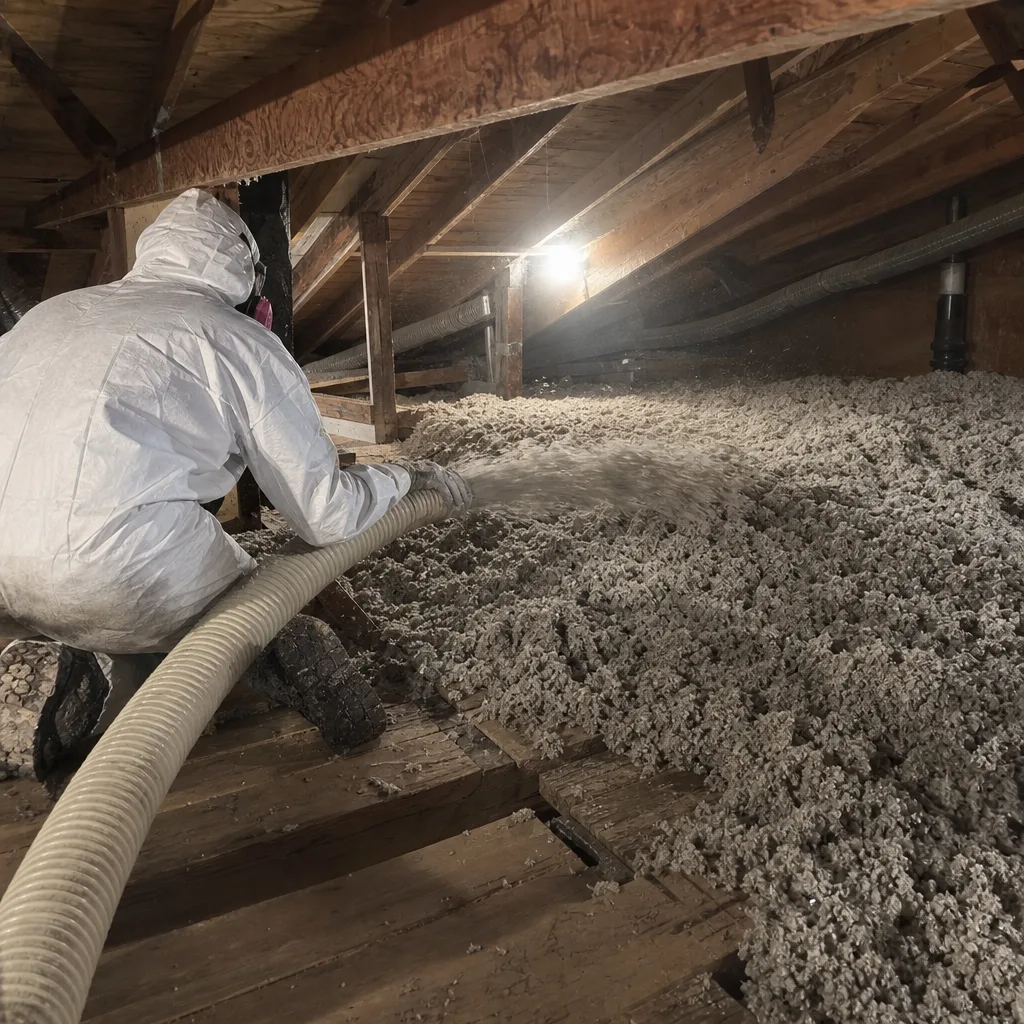
- Lancaster’s Real Climate Calendar: Why the Four-Season Model Fails Here
- The Safe Attic-Access Windows: March-May and October-November
- Spring Inspection Checklist: Before Peak Cooling Season
- Summer Monitoring: What to Watch From Below
- Fall Inspection Checklist: Before Heating Season
- Winter Protection and Damage Prevention
- Santa Ana Winds and Attic Pressurization: A Lancaster-Specific Risk
- Building Your Annual Inspection Log
Lancaster’s Real Climate Calendar: Why the Four-Season Model Fails Here
National insulation guides divide the year into equal quarters. That works in Cleveland or Portland. In Lancaster, it misleads homeowners into scheduling inspections at dangerous or useless times.
Here’s what the climate data actually shows for the Antelope Valley:
- Cooling season: May through October, with daily highs above 90°F from June through September and attic temperatures regularly hitting 140-160°F
- Heating season: December through February, with overnight lows in the 20s and 30s and occasional hard freezes that stress plumbing in under-insulated attics
- Safe access window 1: March through May, when attic temperatures range from 70-95°F and afternoon winds remain moderate
- Safe access window 2: October through November, when attic temperatures drop from 100°F to 75°F and Santa Ana wind risk is lower than in December
The 32-50 age bracket we work with in Lancaster - particularly in neighborhoods like Quartz Hill, West Lancaster, and the newer builds near Avenue L - often bought homes built between 2005 and 2020 with code-minimum insulation that has settled, been disturbed by HVAC service, or never had proper air sealing to begin with. These homeowners research thoroughly, read three-star reviews carefully, and want documentation before they commit. They’re the ones who benefit most from understanding Lancaster’s actual climate calendar rather than following a generic national template.
The building code context matters too. California’s Title 24 energy standards have tightened three times since 2013, most recently in 2022. A home built to 2008 code may have R-30 attic insulation where 2022 code requires R-38 or R-49 depending on climate zone. Lancaster sits in California Climate Zone 14, which has specific requirements for cool-roof ratings and minimum insulation levels that differ from Los Basin zones. Homeowners who don’t know their zone often assume LA rules apply. They don’t.
We’ve sealed and insulated over 9,000 homes since 2016, and the pattern is consistent: Lancaster homeowners who understand their actual climate calendar schedule work correctly, catch problems early, and avoid emergency calls in July or January when contractors are booked and attic conditions are hazardous.
The Safe Attic-Access Windows: March-May and October-November
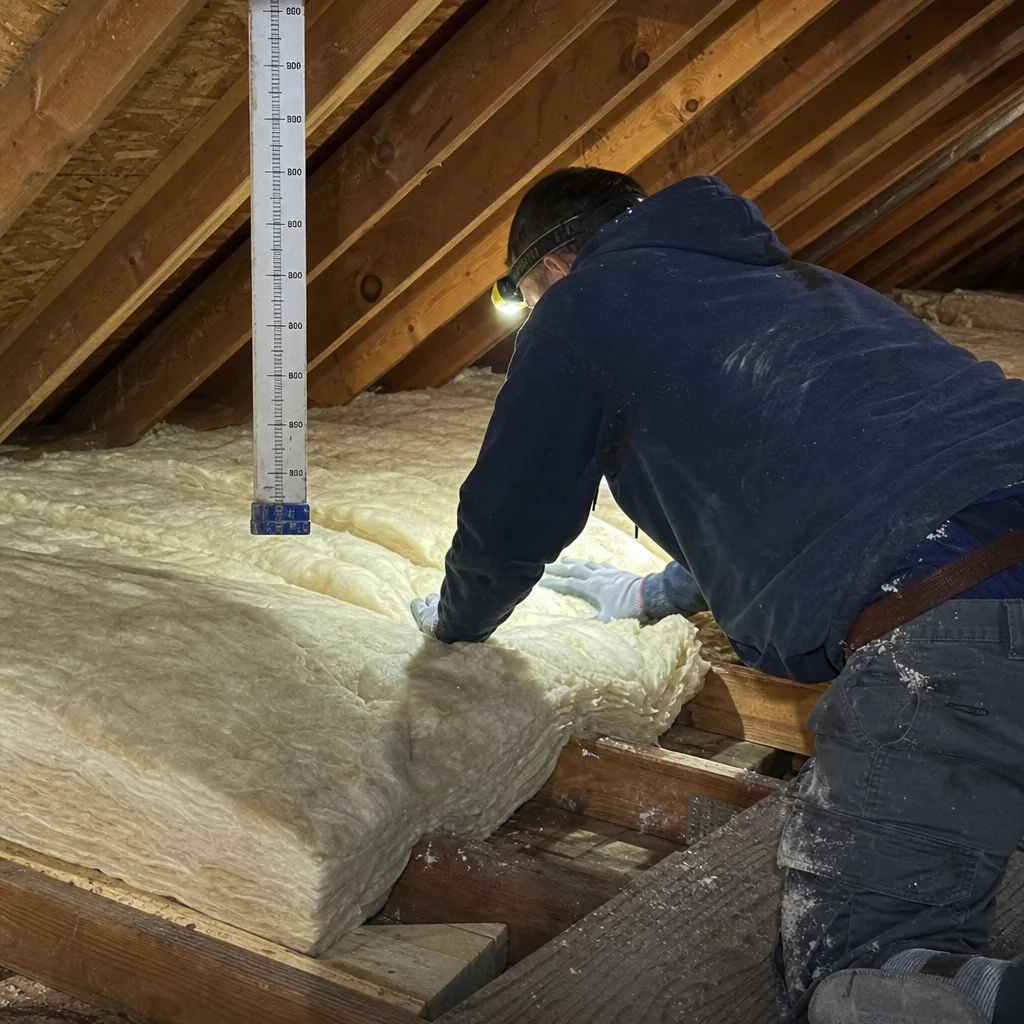
There are two periods in Lancaster when attic work can be done thoroughly, safely, and without material compromise. Every other month involves trade-offs that reduce inspection quality or create genuine health risks.
Why Temperature Matters for Inspection Quality
Blown-in cellulose and fiberglass settle over time. The settlement pattern is uneven - deepest at the eave baffles where wind washing and thermal cycling stress the material most. To measure this accurately, a technician needs to move across the attic floor, probe multiple locations with a depth gauge, and photograph conditions at the perimeter where baffles meet insulation. At 140°F, this work becomes dangerous. At 150°F, it’s impossible to do without heat exhaustion in 15-20 minutes.
But it’s not just worker safety. High attic temperatures distort material assessment. Fiberglass batts appear more compressed than they are when the binder resins are heat-softened. Spray foam can show surface discoloration from oxidation that looks like failure but is actually normal summer curing. A fall inspection at 80°F gives you true material condition.
The March-May Window
This is the primary remediation window. Soil moisture from winter rains has dried, Santa Ana winds are less frequent than in fall, and attic temperatures allow full-day work without heat stress. For Lancaster homeowners, this is when you:
- Schedule comprehensive attic inspection if you skipped fall or suspect winter damage
- Address any insulation settlement before peak cooling season begins
- Verify that heating-season duct work didn’t disturb air-sealed penetrations
- Plan any major upgrades - spray foam, radiant barrier addition, or full replacement - with completion before June
The October-November Window
This is the primary inspection and planning window. The cooling season has stressed everything - ducts, radiant barrier facing, insulation depth at eaves. Attic temperatures have dropped to safe levels. Santa Ana winds haven’t peaked yet. For Lancaster homeowners, this is when you:
- Document post-summer conditions before heating season begins
- Identify any cooling-season damage or settlement
- Schedule winter-priority air sealing around plumbing chases and chimney penetrations
- Plan spring remediation work with written scope and written price before anyone lifts a tool
Under Haven Standard: Arrive on schedule, you get a named technician and a text when they are on the way. We publish before-and-after blower-door numbers on every applicable job - a pressurization reading that shows, in one number, how much air your building envelope was losing before and after the work.
Spring Inspection Checklist: Before Peak Cooling Season
March through May in Lancaster is when you verify that your attic can handle the coming thermal load. The inspection focuses on three areas that directly affect cooling-season performance: radiant barrier condition, blown insulation depth at eave baffles, and duct connection integrity at air handler boots.
Radiant Barrier Condition
Many Lancaster homes, particularly those built during the 2005-2010 construction boom in neighborhoods like East Lancaster and near the Antelope Valley Mall, have radiant barrier roof decking or foil-faced insulation. The reflective surface degrades from dust accumulation, oxidation, and physical damage during HVAC service.
What to check:
- Dust layer thickness - a uniform gray coating reduces reflectivity by 30-50%; localized heavy accumulation near vents indicates air leakage paths
- Tears or punctures from technician foot traffic, typically concentrated near the attic hatch and air handler platform
- Delamination of foil from substrate, which creates a convection gap that actually increases heat transfer rather than blocking it
- Evidence of rodent activity - gnawed edges, nesting material, staining - which compromises both barrier function and indoor air quality
We use Owens Corning and Johns Manville radiant barrier products where replacement is needed, matched to the existing assembly type. No proprietary lock-in - just the right material for the specific roof deck and ventilation configuration.
Blown Insulation Depth at Eave Baffles
This is the most settled zone in any Lancaster attic. Wind washing - the movement of air through soffit vents across the insulation surface - accelerates settlement at eaves. In spring, before Santa Ana winds strengthen, you can document baseline depth and identify areas where baffles have failed or were never installed.
What to measure:
- Depth at three points per eave section: outer edge, mid-baffle, and inner transition to field insulation
- Baffle integrity - collapsed, missing, or improperly sized baffles allow wind to scour insulation back from the edge
- Evidence of moisture staining at eaves, which indicates either roof leak or condensation from air leakage at the top plate
Code minimum for Climate Zone 14 is R-38, which translates to roughly 12 inches of settled fiberglass or 10-11 inches of cellulose. We regularly find 6-8 inches at eaves in 15-year-old Lancaster homes where original installation was marginal and settlement has proceeded unchecked.
Duct Connection Integrity at Air Handler Boots
The flex duct connections at your air handler are the most failure-prone points in any Lancaster attic cooling system. Summer thermal cycling - expansion in 150°F attics, contraction during overnight setback - loosens clamps and cracks mastic seals.
What to inspect:
- Clamp tightness at every flex duct takeoff - hand-check where safe, or visual inspection for gaps
- Mastic condition at rigid duct transitions - cracking, separation, or incomplete original coverage
- Insulation jacket integrity on flex ducts - tears expose the inner liner to UV degradation and allow condensation
- Support strap spacing - sagging ducts create low points where condensate pools and leaks into insulation
We include duct boot inspection in every spring attic assessment. A 10% duct leakage rate in a 150°F attic means you’re paying to cool the attic before you cool the house. We’ve measured supply air temperatures drop 8-12°F between the air handler and the register in homes with unsealed boots.
Summer Monitoring: What to Watch From Below
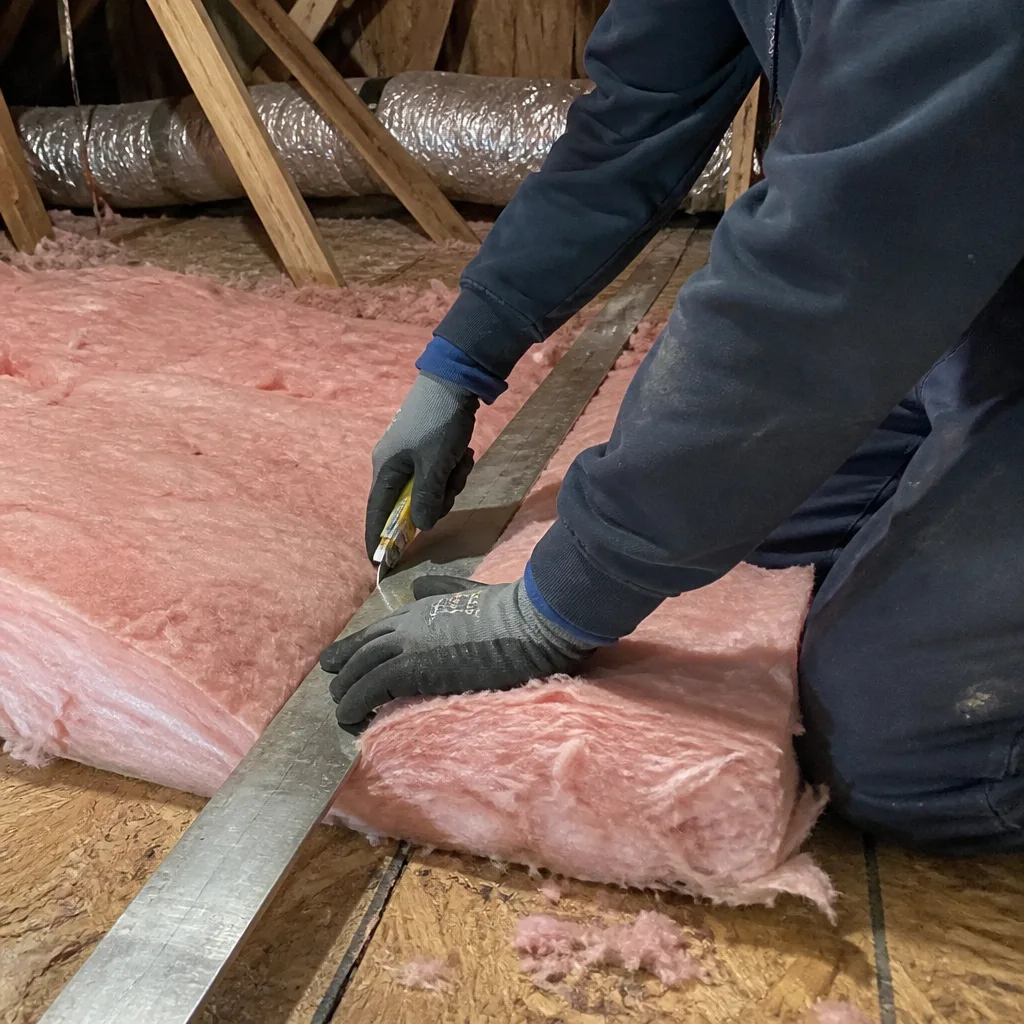
June through September in Lancaster is not an attic access season. It’s a monitoring season. The homeowner’s job is to watch for symptoms of attic-side problems without entering the space.
Indoor Signs of Attic Problems
- Supply registers blowing warm air mid-day: Indicates duct leakage or insufficient insulation allowing attic heat to overcome cooling capacity
- Upstairs rooms 8-15°F warmer than downstairs: Normal stack effect is 3-5°F; larger differentials suggest attic thermal bypass or missing insulation at knee walls
- Air conditioner running continuously from 2-8 PM without reaching setpoint: The 150°F attic is winning against your equipment; either the envelope is failing or the equipment is undersized for the actual load
- Unexpectedly high July/August electric bills compared to prior year: Compare degree-day adjusted usage, not just dollar amounts; Lancaster’s summer peaks are getting longer
- Musty odors from ceiling penetrations: Condensation on cool ducts in humid conditions, or actual roof leak; both require fall inspection
What NOT to Do in Summer
Do not enter your attic to investigate. Do not allow a contractor to do major insulation work in July or August unless they can demonstrate specific heat-stress protocols and material handling procedures. For help deciding whether to tackle any project yourself, read our DIY vs Professional Insulation: The Lancaster Homeowner’s Decision Guide. Fiberglass and cellulose installation at 140°F+ creates off-gassing, worker dehydration, and rushed work that misses critical details. Spray foam application in extreme heat requires reformulated catalyst ratios that many crews don’t adjust, leading to poor adhesion and odor problems.
If you have an urgent summer issue - water staining, suspected roof leak, animal intrusion - call for professional assessment with proper PPE and time limits. Document the symptom with photos from below. Schedule full remediation for October.
Our live person answers calls 24/7 - no voicemail loops, no callback windows measured in business days. We’ll assess urgency and schedule appropriately.
Fall Inspection Checklist: Before Heating Season
October through November is Lancaster’s second safe-access window and, in our experience, the more productive inspection period. The cooling season has tested every component. Attic temperatures allow thorough, unhurried work. And heating-season priorities - combustion safety, plumbing freeze protection, hatch sealing - differ from cooling-season concerns.
Attic Hatch Weatherstripping
The attic hatch is the largest unsealed penetration in most Lancaster homes. A 1/4-inch gap around a standard 22×30 inch hatch equals roughly 15 square inches of free air leakage - equivalent to a 4-inch diameter hole open to the attic year-round.
What to check:
- Compression set in existing weatherstrip - does it rebound when pressed, or stay crushed?
- Gap light test - with hatch closed, do you see daylight around the perimeter?
- Insulation value of the hatch itself - uninsulated or under-insulated hatches create a cold spot that drives condensation
- Latch or pull-down mechanism condition - a hatch that doesn’t seal flat can’t be weatherstripped effectively
We typically install rigid foam insulation on the attic side of the hatch, plus compression bulb weatherstrip on the trim frame, plus latch adjustments to ensure positive closure. The blower-door test - a pressurization reading that shows, in one number, how much air your building envelope is losing - quantifies this improvement. We’ve seen 150-300 CFM50 reduction from proper hatch sealing alone.
Condition of Prior Air Sealing
Any penetrations sealed in previous years need inspection. Thermal cycling, vibration, and material aging degrade seals.
Priority inspection points:
- Top plates - the horizontal framing member where interior walls meet ceiling drywall; these are continuous leakage paths in platform-framed homes
- Wire and pipe penetrations - especially PVC vent stacks, which expand and contract significantly and can break foam seals
- Recessed can light housings - IC-rated fixtures still leak around the trim ring; non-IC fixtures are code violations in insulated ceilings and should be replaced
- Chimney and flue penetrations - require fire-rated sealants that degrade differently than standard foam
- Bathroom and kitchen vent fan housings - the flex duct connection and the housing perimeter both leak; fan flow itself can depressurize the house if not balanced
We use Knauf and GreenFiber sealant products where appropriate, matched to the specific penetration type and required fire rating.
HVAC Service Disturbance Check
If you had summer HVAC service, technicians may have disturbed insulation around the air handler, plenums, or duct runs. Fall inspection catches this before heating season begins.
What to look for:
- Insulation displaced from around air handler platform, exposing conditioned air to attic heat or allowing platform condensation in heating mode
- Foot-traffic compression paths through blown insulation, creating thermal bridges
- Duct support straps that were removed and not replaced, causing sag and subsequent drainage issues
- Service panel screws or small parts dropped into insulation - minor, but indicative of work quality and potential for larger oversights
Every job we complete includes a Documented Photo Record - photos of condition before work, during work, and completed work. Homeowners with this record can compare fall condition to prior state without relying on memory.
Winter Protection and Damage Prevention
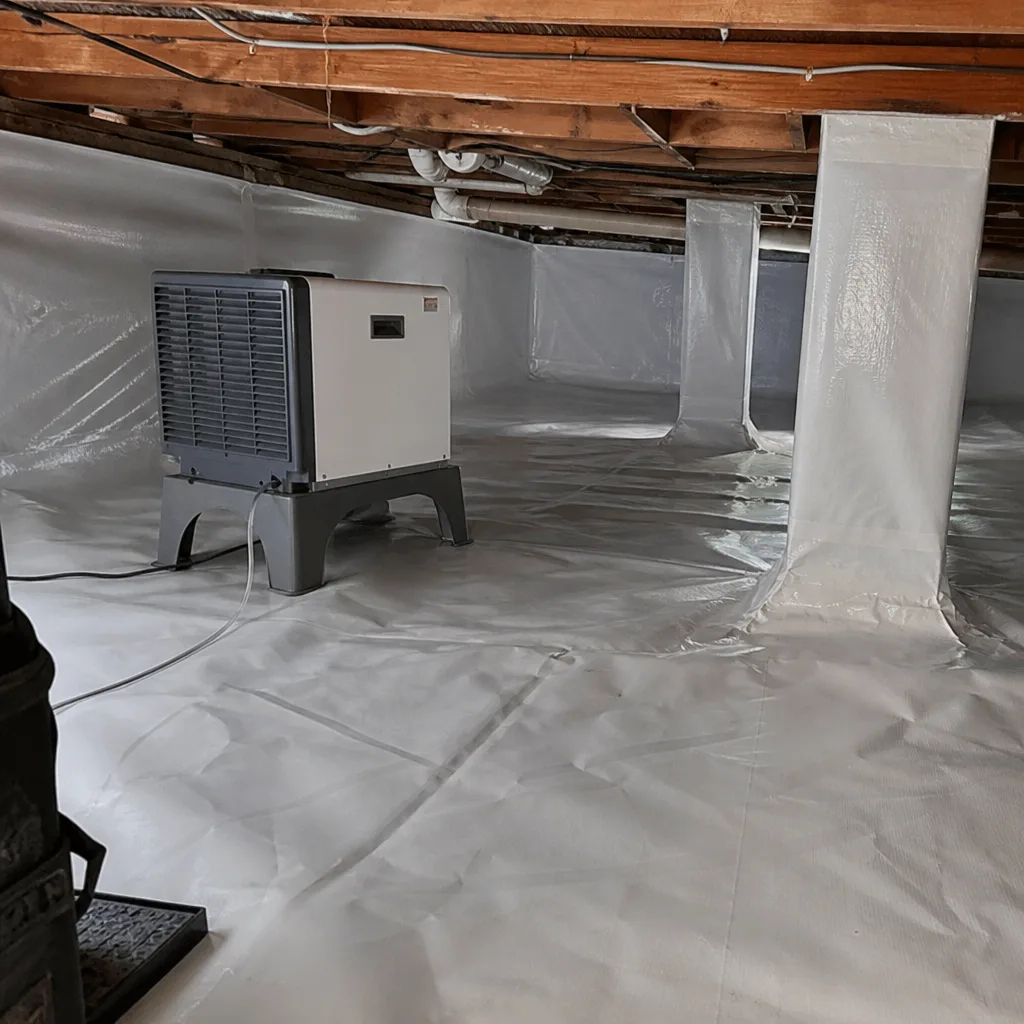
December through February in Lancaster brings the year’s most genuine freeze risk. Overnight lows in the 20s, occasionally teens, stress plumbing in under-insulated attics and create ice dam conditions on north-facing roof sections where heat loss melts snow that refreezes at the eave.
Freeze Protection Priorities
The plumbing most at risk runs through unconditioned attic space or exterior walls with minimal insulation. In Lancaster’s 2005-2015 construction, this often includes:
- Upstairs bathroom supply lines run through attic floor joists rather than interior walls
- Tankless water heater vents and condensate drains that terminate in attic space
- HVAC condensate lines that drain by gravity to exterior and can freeze at the penetration
- Whole-house humidifier supply lines with inadequate insulation
Insulation strategy for freeze protection is straightforward: sufficient depth at the attic floor (R-38 minimum, R-49 preferred in Climate Zone 14), continuous coverage without gaps, and air sealing that prevents warm, moist interior air from reaching cold surfaces where it condenses and freezes.
Ice Dam Prevention
True ice dams are rare in Lancaster compared to mountain or midwestern climates, but they occur on north-facing pitches during cold, wet winters. The mechanism is always the same: heat loss through the ceiling melts snow at the roof deck; water runs to the cold eave and refreezes; the resulting ice backs up under shingles.
Prevention is attic-side, not roof-side:
- Verify continuous insulation depth at eaves - this is where we most often find thin or missing coverage
- Confirm that soffit vents are not blocked by insulation - ventilation removes residual heat that could melt snow
- Check bathroom vent termination - vents that terminate in the attic rather than through the roof dump moist air directly onto the deck
- Seal all ceiling penetrations - the warm air that escapes through light fixtures and fan housings is what melts the snow in the first place
We do not recommend roof raking or heat cables as primary solutions. They address symptoms. The correct fix is envelope performance, verified with a blower-door test.
Santa Ana Winds and Attic Pressurization: A Lancaster-Specific Risk
This is the section no national insulation guide contains, and it’s the one that matters most for Lancaster homeowners. After reading this, explore more guides & resources on Lancaster-specific home performance.
Santa Ana wind events - dry, high-velocity northeasterly flows that peak between October and April - create unique pressure dynamics in attic assemblies. When wind speeds exceed 25-30 mph sustained, the pressure differential between the windward and leeward sides of a roof can pressurize the attic space through ridge vents, gable vents, and any leakage paths in the roof deck itself.
How Wind Pressurization Damages Insulation
In under-baffled or unbaffled eave zones, this pressurization drives air through the soffit vents and across the insulation surface. The result is wind washing - scouring of loose-fill insulation back from the eaves, creation of thin spots where thermal performance drops by 50% or more, and in extreme cases, displacement of insulation into the attic center where it does no good at the perimeter.
We’ve documented this pattern repeatedly in Lancaster’s older neighborhoods - the original tract homes near Lancaster Boulevard, the 1970s-1980s builds in the central valley, and any home with original continuous soffit venting and no baffles. The damage is often invisible from the attic hatch; you have to crawl to the eaves to find insulation piled 18 inches deep in the center and bare drywall at the edge.
Inspection and Remediation
Proper eave baffling is the fix. Rafter baffles - typically foam or cardboard channels that maintain a clear ventilation path from soffit to ridge while keeping insulation in place - should extend from the soffit opening to at least 6 inches past the exterior wall top plate. In high-wind zones like Lancaster, we prefer rigid foam baffles secured with staples and spray foam sealant rather than the lightweight cardboard products that collapse or blow out.
The inspection protocol:
- Visual check from attic hatch - can you see daylight at every eave, indicating clear ventilation path?
- Physical probe - does insulation resist gentle pressure, or does it shift freely?
- Depth measurement at eave versus field - significant difference indicates wind washing or inadequate original installation
- Baffle condition - intact, properly sized, sealed to top plate, extending full depth of eave
Homes in west Lancaster and Quartz Hill, closer to the wind corridor that funnels through Soledad Canyon, show this damage pattern more frequently than eastern neighborhoods. It’s not random. It’s geography and physics.
Building Your Annual Inspection Log
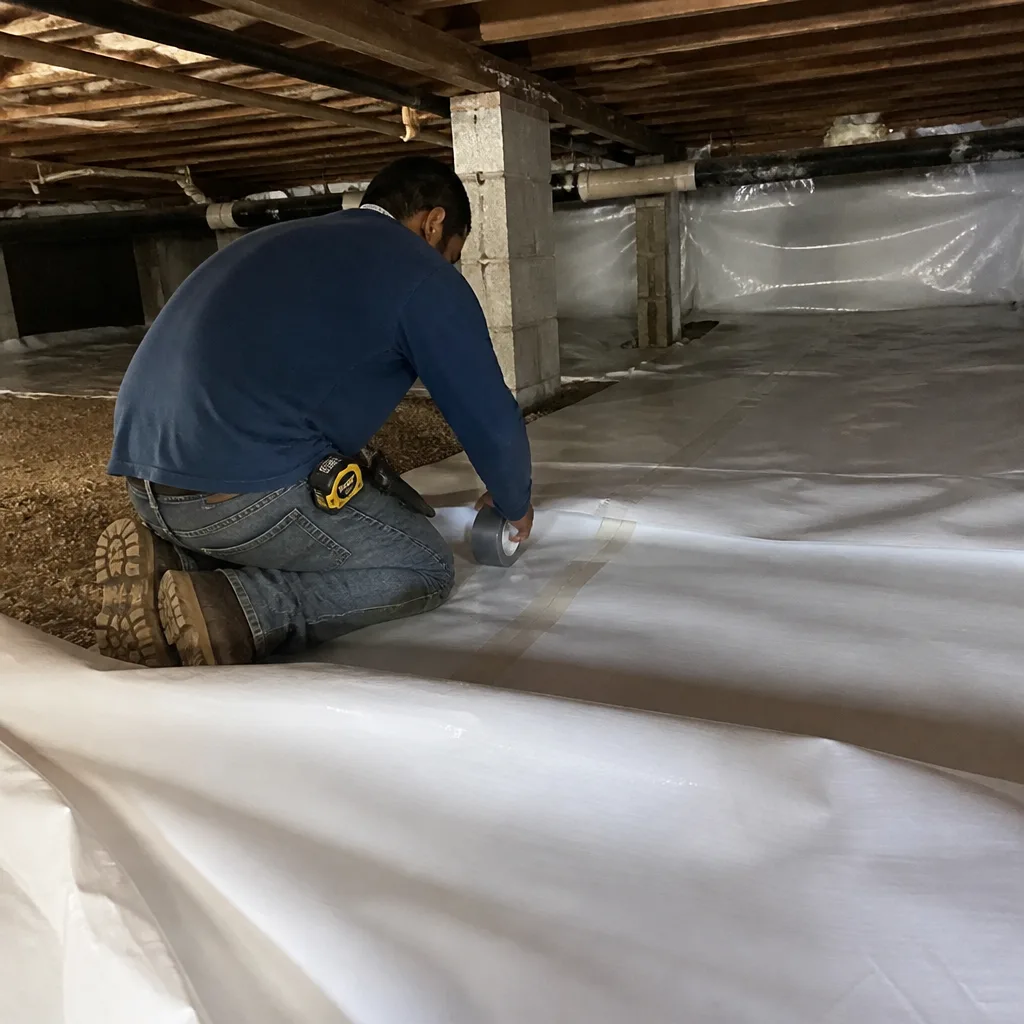
Memory is unreliable. A two-page inspection log, filled out each spring and fall, creates a timestamped record that documents condition over time and justifies maintenance decisions to future buyers, insurers, or your own future self.
Log Structure
Page one: conditions and measurements.
- Date and outdoor temperature at time of inspection
- Attic temperature at hatch (infrared thermometer reading)
- Insulation depth at 6 locations: 4 eave points (N, S, E, W), center field, and near air handler
- Radiant barrier condition: clean/dusty, intact/damaged, percentage of surface visible
- Duct boot condition: tight/gapped, mastic intact/cracked, insulation jacket intact/damaged
- Air sealing condition: prior seals intact/degraded, new penetrations noted, photos referenced
- Evidence of moisture, staining, or biological growth
- Evidence of rodent or insect activity
Page two: actions and documentation.
- Maintenance performed this period (DIY or professional)
- Professional service provider, date, and scope
- Blower-door test results if applicable (before and after CFM50)
- Photos taken - date, location, description
- Recommended actions for next inspection window
- Estimated timeline for major remediation or replacement
The value of this log accumulates. After three years, you have a trend line for insulation settlement. After five years, you have documentation of maintenance that adds value at sale. After a major weather event - the kind of Santa Ana wind storm that damages roofs across the Antelope Valley - you have pre-event condition recorded for insurance purposes.
We provide a template log to homeowners who schedule insulation assessments with Topside Attic Insulation Lancaster. It’s part of the Documented Photo Record included on every visit, not available on request - it’s simply what leaving looks like when we finish.
Common Mistakes to Avoid
- Scheduling attic work in July or August. The 150°F attic is dangerous for workers and compromises material assessment. Any contractor who pushes for summer installation without specific heat-stress protocols is cutting corners.
- Adding insulation without air sealing first. Blown insulation over an unsealed attic floor simply hides the leaks while conditioned air continues to escape. We never do this; it’s the first principle of our work.
- Ignoring eave baffles in high-wind zones. Lancaster’s Santa Ana conditions will redistribute loose-fill insulation within one to two seasons if baffles are missing or inadequate. The result is bare spots exactly where you need coverage most.
- Comparing energy bills month-to-month without degree-day adjustment. A July bill that’s higher than last July’s doesn’t necessarily mean insulation failure; it might mean a hotter summer. Use degree-day adjusted consumption, available from your utility, for valid comparison.
- Assuming new construction has adequate insulation. Code-minimum installation in the 2005-2015 boom was often rushed, with thin coverage at eaves, missed baffles, and no air sealing. We’ve found R-19 equivalent in attics labeled R-30 in permit documents.
- Neglecting the attic hatch. Homeowners obsess over insulation depth and forget the largest single leakage path. A properly weatherstripped and insulated hatch costs under $200 in materials and reduces blower-door readings measurably.
- Waiting for a problem to call. By the time you notice high bills or comfort issues, damage has accumulated. The inspection log catches degradation before it becomes failure.
When to Call a Professional
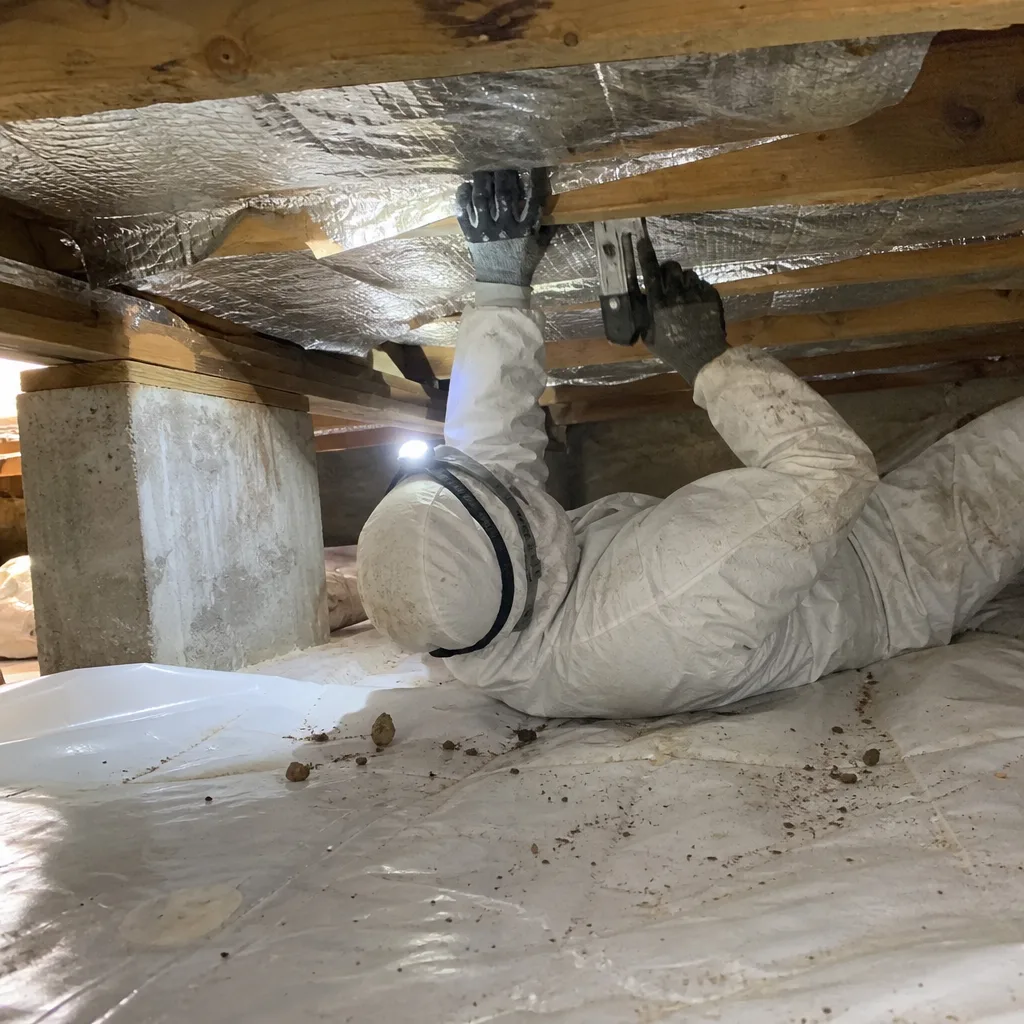
Some conditions require trained assessment and should not be DIY-evaluated. Call for professional inspection if you observe: water staining or active leaks; sagging ceiling drywall indicating moisture accumulation; musty odors that persist after weather changes; visible gaps or daylight through the attic floor from below; HVAC performance degradation that doesn’t correlate with equipment service needs; or any plan to modify the attic assembly - adding storage flooring, running new wiring or ductwork, or converting space.
Professional assessment should include a blower-door test - a pressurization reading that shows, in one number, how much air your building envelope is losing - and a written scope with written price before any work starts. Attic Insulation in Lancaster requires specific expertise in Climate Zone 14 requirements, Santa Ana wind loading, and the material selection appropriate to each assembly type.
Topside Attic Insulation Lancaster offers free estimates in Lancaster. Call (661) 526-2890. Every estimate includes a written price before any work starts, backed by our 365-Day Done Right Promise - if it’s not done right, we make it right. We also offer a Free Second Opinion on any written estimate; bring us a competing quote and we’ll read it with you.
Frequently Asked Questions
Most attic insulation jobs in a Lancaster home of 1,500-2,500 square feet run between $2,800 and $6,500 depending on existing condition, access difficulty, and whether air sealing is needed before insulation installation. Spray foam applications range higher, typically $4,500-$12,000 for full attic coverage. We provide a written price before any work starts - no exceptions - and a Free Second Opinion on any written estimate from another contractor. Call (661) 526-2890 for an exact quote; estimates are free.
Technically yes, but practically no. Attic temperatures exceed 140°F from June through September, creating hazardous working conditions and compromising material assessment. The safe, effective installation windows are March through May and October through November. Emergency repairs can occur outside these windows with proper protocols, but planned work should follow the climate calendar.
Measure depth at multiple points with a ruler or tape measure. In Lancaster’s Climate Zone 14, code minimum is R-38 (roughly 12 inches of fiberglass or 10-11 inches of cellulose), with R-49 preferred for new construction. Check particularly at eaves - the area near the exterior walls - where settlement and wind washing create thin spots. Uneven depth, visible floor joists, or bare spots at the perimeter all indicate inadequate coverage. A professional assessment with depth mapping provides definitive documentation.
Air sealing closes the gaps, cracks, and penetrations that allow conditioned air to escape into the attic - around light fixtures, pipe penetrations, top plates, and the attic hatch. Without sealing first, new insulation simply hides these leaks while air continues to flow through. We seal first, then insulate, in that order. The result is verified with a blower-door test showing before-and-after air leakage in CFM50 - a single number that documents your home’s performance improvement.
Santa Ana winds pressurize attic assemblies through vents and leakage paths, then drive air through soffit vents and across insulation surfaces. In under-baffled eave zones, this wind washing scours loose-fill insulation back from the edges, creating bare spots where thermal protection drops by half or more. Lancaster homes west of the 14 freeway and in Quartz Hill experience this most severely. Proper rigid baffles, sealed to the top plate, prevent displacement.
Repair - adding material to restore depth, spot-sealing penetrations, replacing damaged baffles - typically costs 30-50% less than full removal and replacement. However, repair is only viable when existing insulation is dry, uncontaminated, and structurally intact. Insulation compromised by moisture, rodent activity, or fire/smoke damage requires full removal and replacement. We assess condition and provide both options with written pricing. Our 365-Day Done Right Promise applies either way. Call (661) 526-2890 to schedule evaluation.
The Bottom Line
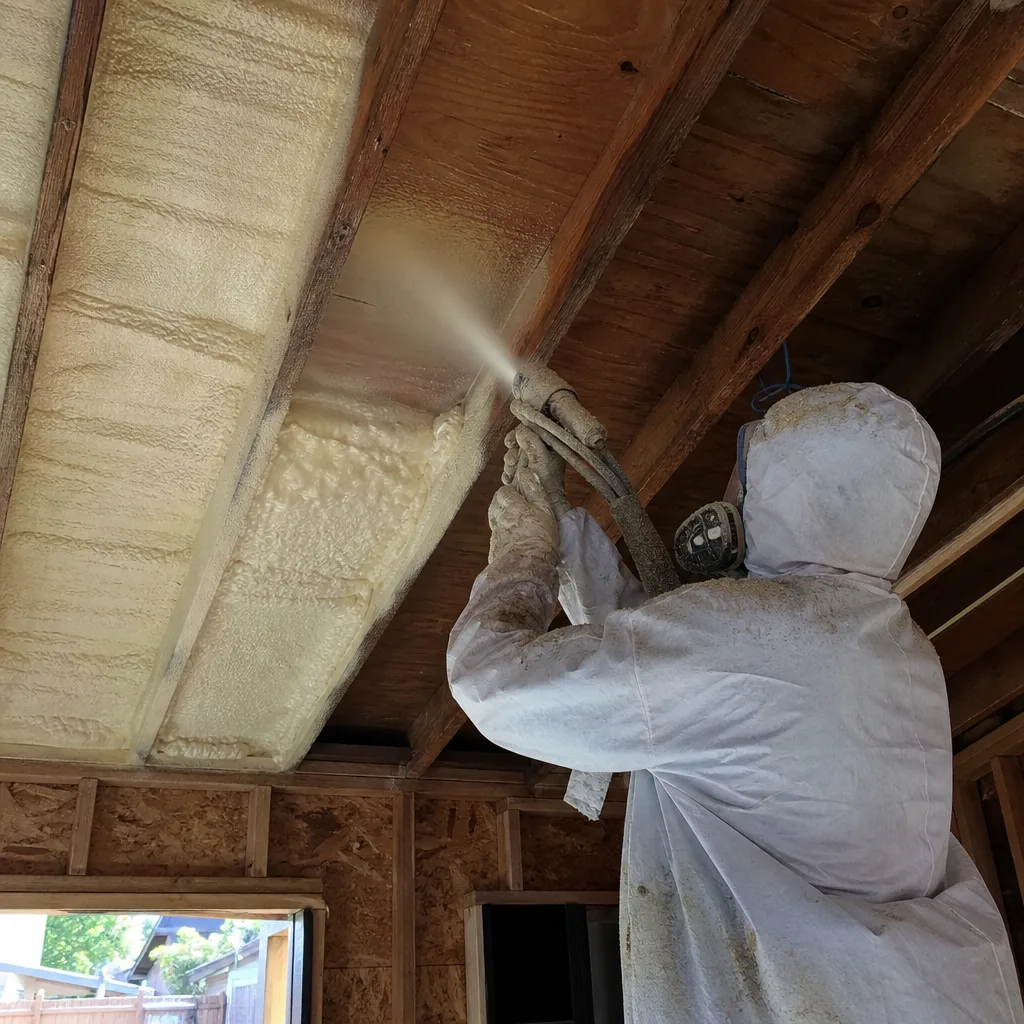
Lancaster’s climate demands a different approach to insulation care than national guides suggest. The safe work windows are March through May and October through November. Summer is for monitoring from below, not attic entry. Winter requires freeze-protection verification. And Santa Ana winds create a unique damage pattern - wind-washed eaves - that only proper baffling prevents.
The homeowners who manage insulation well in this climate keep records, respect the temperature calendar, and address problems in the transitional seasons before extremes arrive. Those who don’t find themselves with high bills, comfort complaints, and emergency calls when contractors are booked and conditions are hazardous.
We’ve sealed and insulated over 9,000 homes since 2016, every one with a written price before work started and a documented record when the crew left. The materials come from Owens Corning, Johns Manville, Knauf, and other established manufacturers - no proprietary lock-in. The work follows a single principle: sealed first, then insulated, with numbers that prove the result.
Call (661) 526-2890 for a free estimate. A live person answers 24/7. You’ll get a written price before any work starts, a Documented Photo Record when the crew leaves, and before-and-after blower-door numbers on every applicable job so you can see the performance change you actually paid for.
Written by Wes Okafor, Owner at Topside Attic Insulation Lancaster, serving Lancaster since 2016.